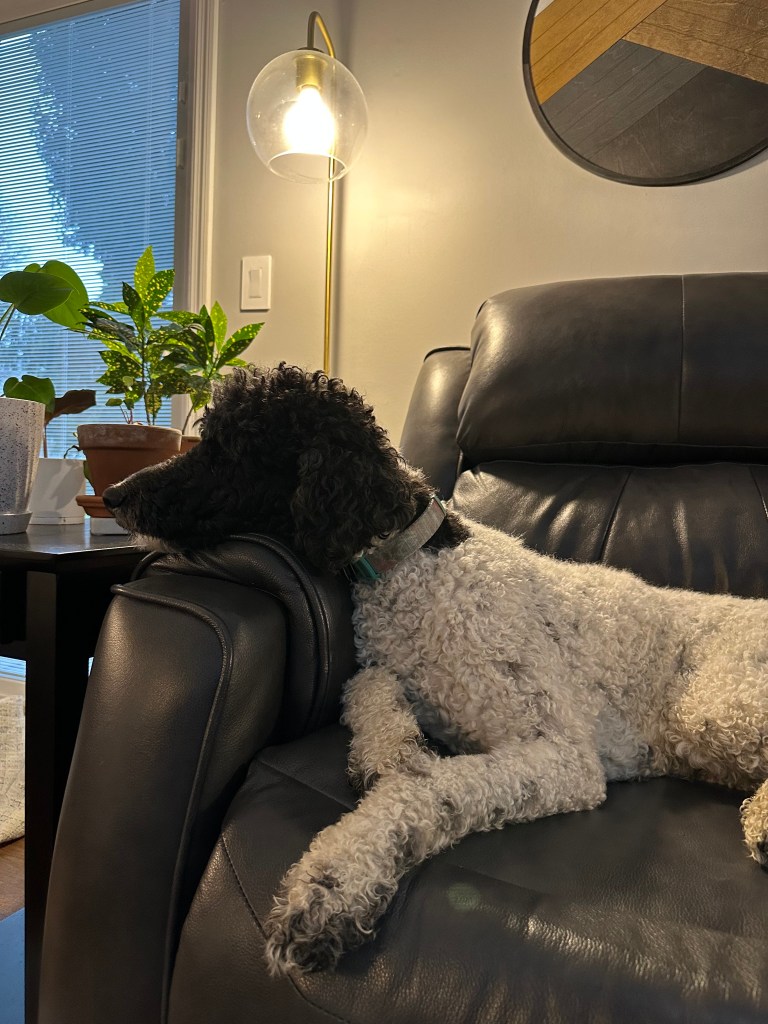
We say a lot in our home that “this is Stellas house, she just lets us live here.” And as you may have guessed Stella is our sweet pup! And since it is her home too and she means the world to me I will do anything for her INCLUDING ensuring that any house plants that are reachable to her are dog safe 🙂 Let’s chat about that some more though…

The well-being of our pets is so important and being aware of the potential hazards that certain plants can pose to dogs is crucial. Many common houseplants can be toxic to our four-legged friends if ingested. However, we aren’t here to scare you, we are here to inform you! We’ve curated a list of safe and delightful options that will allow you to create an inviting indoor oasis without worrying about your pup’s well-being.
In addition to highlighting the safest choices, we’ll provide valuable insights on plant placement, potential hazards to avoid, and simple care tips to ensure the well-being and longevity of your green companions. My aim today is to empower you with the knowledge needed to curate a pet-friendly sanctuary that nurtures the bond between you and your furry friend.
But let’s remember one important thing- ANY HOUSE PLANT CAN BE DANGEROUS IF CONSUMED EXCESSIVELY! Even plants like the Boston fern that are “totally safe” for dogs is gonna make your dog throw up at minimum if they eat the entire plant. So keeping plants out of reach, discouraging interest, and not allowing them tons of unsupervised access is gonna be the ultimate way to create a safe home for both your dog babies and your plant babies!!
So that said let’s get into some helpful tips and explanations of which plants are the safest to have in your home with pets-

Pet-Friendly Paradise: House Plants That Are Safe for Dogs
Indoor plants that are safe for dogs:
Boston Fern (Nephrolepis exaltata): With its lush leaves the Boston Fern is not only visually appealing but also safe for dogs. Also a very easy plant to grow and maintain if you’re new to the plant parent world.
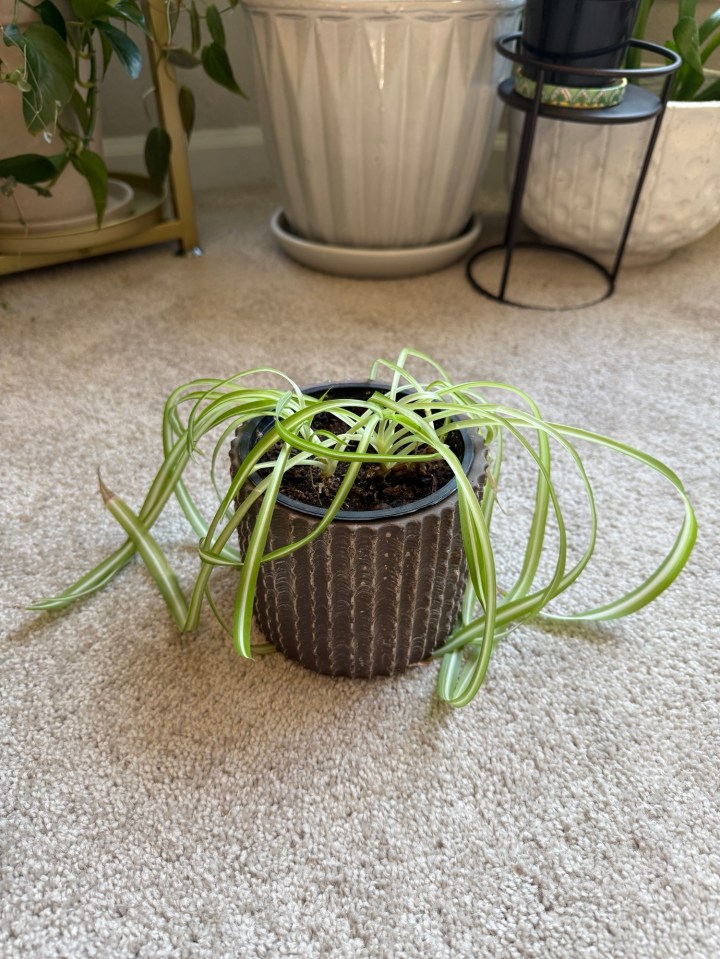
Spider Plant (Chlorophytum comosum): Known for its cascading foliage and easy care, the Spider Plant is a popular choice that poses no harm to dogs. Thankfully spider plants are safe for pets because my silly girl likes to hang out right next to this spider plant all the time lol!!
Areca Palm (Dypsis lutescens): This elegant palm species features the most beautiful and feathery leaves you’ll ever see and you don’t have to stress because it is considered non-toxic to dogs.
Parlor Palm (Chamaedorea elegans): Compact and versatile, the Parlor Palm is a safe choice for dog owners seeking a touch of greenery in their homes.
Money Tree (Pachira aquatica): With its braided trunk and glossy green leaves, the Money Tree is both visually cool AF and it is also non-toxic to dogs.
Peperomia (Peperomia spp.): These small and low-maintenance plants come in various leaf shapes and textures, making them safe choices for homes with dogs.
Snake Plant (Sansevieria trifasciata): With its tall, upright leaves and air-purifying qualities, the Snake Plant is a popular choice that is safe for dogs. Another really easy plant too to care and maintain!

Ponytail Palm (Beaucarnea recurvata): This unique plant features a bulbous trunk and long, cascading leaves, and it is considered safe for dogs.
Haworthia (Haworthia spp.): These small succulent plants come in various patterns and textures, making them safe and visually interesting additions to your home.
Bamboo Palm (Chamaedorea seifrizii): With its delicate fronds and graceful appearance, the Bamboo Palm is a non-toxic option that adds a touch of elegance to any space.
Flowering indoor plants that are safe for pets:
African Violet (Saintpaulia spp.): With its delicate and vibrant blossoms, the African Violet adds a charming touch to any room without posing a threat to dogs.
Orchids (Orchidaceae family): Known for their exquisite and diverse blooms, orchids are generally safe for dogs when the flowers themselves are not ingested.
Christmas Cactus (Schlumbergera spp.): This festive plant blooms during the holiday season, offering vibrant flowers while remaining non-toxic to dogs.
Bromeliads (Bromeliaceae family): With their unique and striking flower spikes, bromeliads add a tropical flair to your space and are generally safe for dogs.
Friendship Plant (Pilea involucrata): This attractive plant features small, pinkish flowers that complement its textured leaves. It is considered safe for dogs.
Lipstick Plant (Aeschynanthus spp.): Sporting bright red tubular flowers, the lipstick plant is a visually captivating choice that poses no harm to dogs.
Polka Dot Plant (Hypoestes phyllostachya): While not known for its showy flowers, the Polka Dot Plant boasts colorful foliage and small, inconspicuous flowers. It is safe for dogs.
Prayer Plant (Maranta leuconeura): This house plant offers uniquely patterned leaves and small, inconspicuous flowers, making it a safe and visually appealing choice for dog owners.
Wax Begonia (Begonia semperflorens): These plants produce clusters of small, colorful flowers and are considered safe for dogs when ingested in small amounts.
Zebra Plant (Aphelandra squarrosa): With its vibrant yellow bracts and unique striped leaves, the zebra plant adds a pop of color to your space while being safe for dogs.
Additional tips for having plants and pets:
Creating a pet-friendly sanctuary that incorporates house plants requires more than just selecting the right plants. It also involves careful consideration of plant placement, awareness of potential hazards, and adopting simple care practices to ensure the well-being and longevity of both your green companions and your furry friend. By empowering yourself with knowledge and following these insights, you can curate a space that nurtures the bond between you and your pet.
Tip 1- Plant Placement: Consider the accessibility of plants to your dog. Avoid placing plants within easy reach where they can be chewed or knocked over. Elevated shelves, hanging planters, or dedicated plant stands can help keep your plants out of your dog’s reach.
Tip 2- Toxicity Awareness: Familiarize yourself with plants that are toxic to dogs. While the plants mentioned earlier are generally considered safe, it’s crucial to research any new plants you bring into your home. Common toxic plants include certain varieties of lilies, pothos, philodendron, and dieffenbachia. Keep these toxic plants out of your pet’s reach or avoid them altogether!
Personally I opt to grow pothos and philodendrons honestly all over the house BUT my dog never has unsupervised access to them. She sleeps in our bedroom at night and only has access to the bedroom when we aren’t home to ensure safety. Obviously there is personal digression there and you gotta know your dog!
Tip 3- Pot Selection: Opt for sturdy and stable pots that are difficult for your dog to knock over. Consider using heavier pots or placing lighter pots in heavier decorative containers to add stability.

Tip 4- The Pet-Proofing: Secure dangling vines or trailing plants using hooks or discreet plant hangers to prevent your dog from accidentally tugging on them. Additionally, be cautious with trailing vines that may pose a tripping hazard… to both the pets and humans living with you 😉
Tip 5- Non-Toxic Substitutions: If you’re uncertain about a specific plant’s safety, seek alternatives. There are pet-friendly substitutes available for popular but potentially toxic plants. For example, swap out a traditional pothos (which is toxic to dogs) for a variegated watermelon peperomia.
Tip 6- Regular Monitoring: Keep a watchful eye on your pet’s interactions with your plants. Observe any curious behavior, chewing tendencies, or signs of discomfort. If you notice your dog showing excessive interest in a particular plant, consider relocating it to a more secure spot.
Tip 7- Proper Watering and Drainage: Overwatering can lead to stagnant water, which may attract your pet’s attention. Ensure proper drainage and allow the soil to dry out between watering to maintain a healthy environment for both plants and pets.
Safe Fertilization: Be cautious with fertilizers, as some can be harmful if ingested by pets. Opt for pet-friendly or organic fertilizers, and follow the instructions carefully. Keep fertilizers out of your pet’s reach and avoid using them excessively.

Remember, every pet is unique, and their behavior may vary. If you have specific concerns or notice any adverse reactions, consult with a veterinarian. By being mindful of plant placement, potential hazards, and adopting simple care practices, you can create a pet-friendly sanctuary that promotes the well-being and happiness of both your beloved plants and your furry friend.
Talk Plant To Me
If you enjoyed this article about pet safe house plants then you just might like these too-
 | Talk Plant To Me |