In the world of greenery, there is a special category of plants that effortlessly captivate with their elegant drapes, cascading tendrils, and enchanting beauty—the trailing plants. Whether adorning a windowsill, hanging gracefully from a basket, or spilling over shelves, these botanical wonders add a touch of natural charm and create a serene ambiance in any space. In this article, we embark on a journey through the diverse realm of trailing plants, exploring their unique characteristics, offering tips for their care, and uncovering the secrets to cultivating flourishing displays of trailing foliage.
Trailing plants, often hailed as nature’s living tapestries, have the remarkable ability to add a vertical dimension to our indoor and outdoor environments. With their gracefully trailing vines and abundant foliage, they bring life and vibrancy to both small nooks and expansive areas. From the delicate tendrils of Pothos to the lush waves of String of Pearls, each trailing plant possesses its own distinct personality, making them a versatile and captivating addition to any plant collection.
Beyond their aesthetic allure, trailing plants are known for their low-maintenance nature, making them ideal companions for both novice and experienced plant enthusiasts. Their forgiving nature and adaptability allow them to thrive in a variety of light conditions, making them suitable for different spaces and lifestyles. However, understanding their unique care requirements is crucial to ensure their health and longevity.
In this comprehensive guide, we will delve into the enchanting world of trailing plants, unveiling the diverse array of species and varieties available. From the classic favorites like English Ivy and Spider Plant to lesser-known gems like String of Hearts and Tradescantia, we will explore the characteristics, growth habits, and distinctive care needs of these captivating plants. By understanding their individual preferences for light, water, humidity, and soil, we can provide the optimal conditions for their growth and witness their stunning transformation firsthand.
But caring for trailing plants goes beyond the technical aspects. It also involves embracing their beauty and fostering a nurturing relationship. We will discover the joys of tending to their delicate vines, propagating new plants from cuttings, and creatively arranging them to showcase their trailing glory. By incorporating them into our living spaces, we not only elevate the aesthetic appeal but also invite a sense of tranquility and connection with nature into our everyday lives.
Whether you are an urban dweller with limited space or a green thumb seeking new additions to your botanical haven, this guide will serve as your go-to resource for all things trailing plants. We will share practical care tips, creative display ideas, troubleshooting advice, and general information that will empower you to cultivate a lush and thriving tapestry of trailing foliage.
So, join us as we embark on this journey through the enchanting world of trailing plants. From their exquisite beauty to their nurturing presence, these botanical wonders are ready to transform your living spaces into verdant havens. Get ready to unleash your inner plant curator and unlock the secrets to growing, caring for, and reveling in the natural elegance of trailing plants.
Trailing Plants: The best ones, how to care, and the basics
The best trailing plants:
- Pothos (Epipremnum aureum): Known for its heart-shaped leaves and air-purifying qualities, Pothos is an ideal trailing plant for beginners. It thrives in various light conditions and requires minimal maintenance.
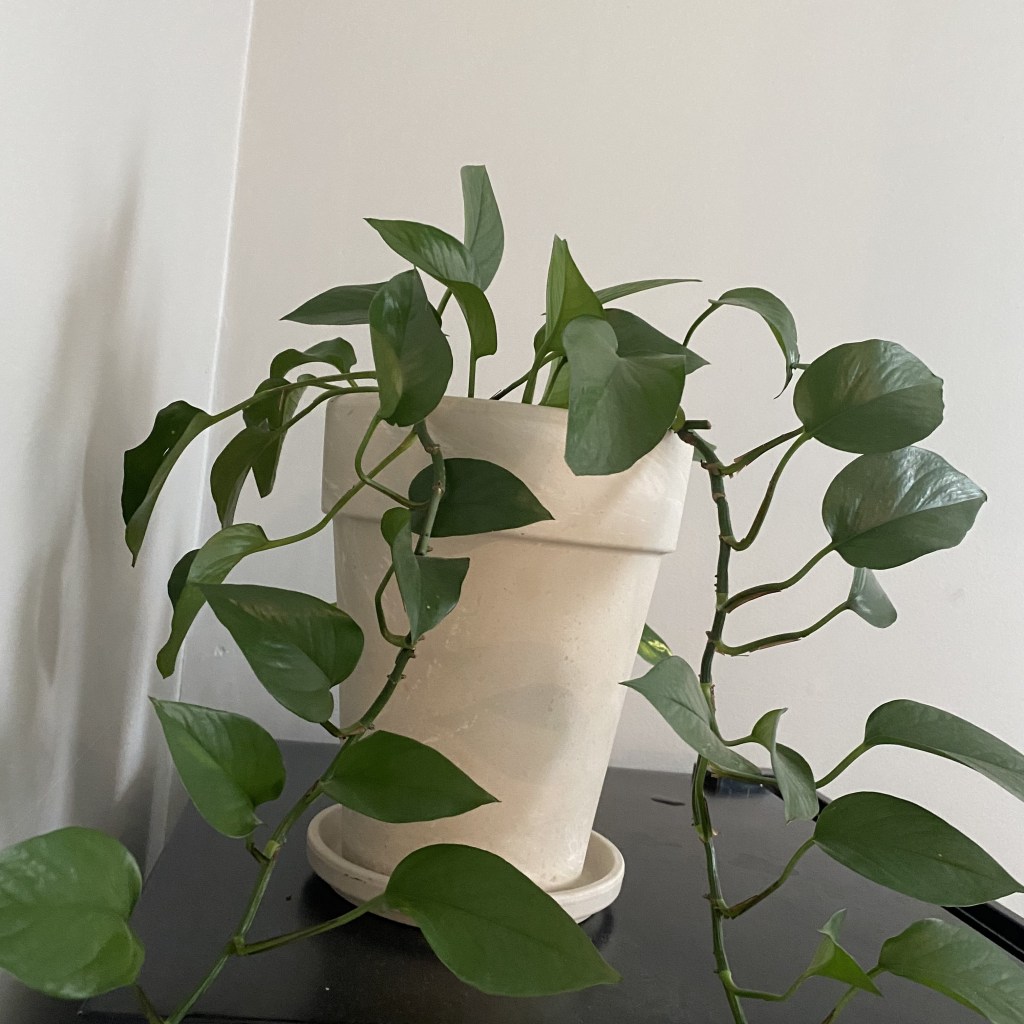
- String of Pearls (Senecio rowleyanus): This captivating succulent features long, trailing stems adorned with round, bead-like leaves. String of Pearls thrives in bright, indirect light and has a unique texture that adds visual interest to any room.
- English Ivy (Hedera helix): With its cascading vines and lush foliage, English Ivy is a classic trailing plant that brings a touch of elegance to any space. It prefers bright, indirect light and regular watering to keep its leaves vibrant.
- Spider Plant (Chlorophytum comosum): Recognized for its arching, variegated leaves, Spider Plant is easy to care for and adapts well to different light conditions. It produces cascading “spiderettes” that can be propagated into new plants.
- String of Hearts (Ceropegia woodii): This delicate trailing plant features long, slender vines adorned with small, heart-shaped leaves. It thrives in bright, indirect light and requires well-draining soil to prevent overwatering.
- Tradescantia (Tradescantia spp.): Also known as Wandering Jew, Tradescantia is prized for its vibrant foliage and trailing growth habit. It prefers bright, indirect light and regular watering to keep the soil slightly moist.
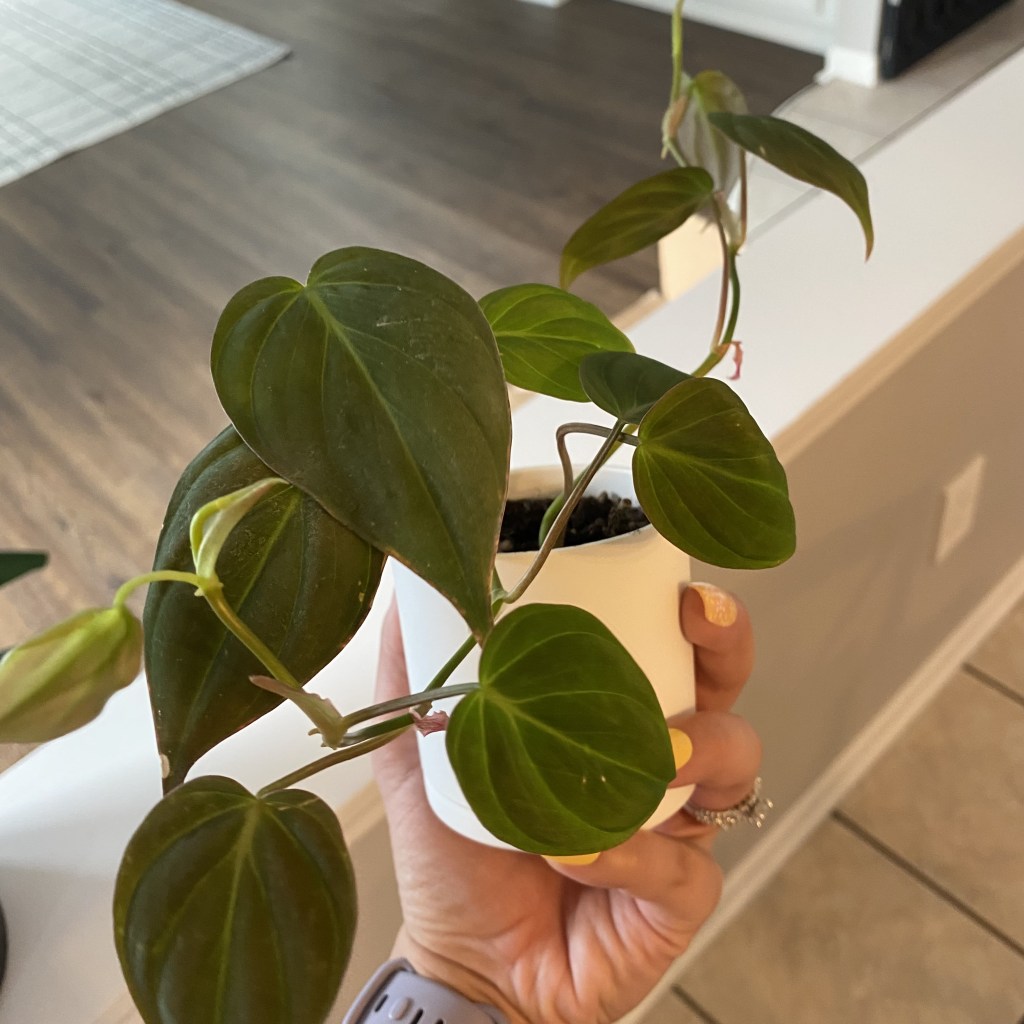
- Philodendron Brasil (Philodendron hederaceum ‘Brasil’): With its heart-shaped, variegated leaves, Philodendron Brasil adds a pop of color and trailing beauty to any room. It thrives in moderate to bright indirect light and requires regular watering.
- Hoya (Hoya carnosa): Known as the Wax Plant, Hoya features waxy, succulent-like leaves and produces clusters of fragrant, star-shaped flowers. It thrives in bright, indirect light and prefers to dry out between waterings.
- Golden Pothos (Epipremnum aureum ‘Marble Queen’): A variegated form of Pothos, the Golden Pothos features marbled leaves in shades of green and white. It is a resilient trailing plant that can tolerate a range of light conditions.
- Burro’s Tail (Sedum morganianum): This unique succulent has trailing stems densely covered in plump, gray-green leaves. Burro’s Tail thrives in bright light and requires infrequent watering to prevent root rot.
How to care for trailing plants:
- Light Requirements: Most trailing plants thrive in bright, indirect light. Place them near windows with filtered sunlight or in well-lit areas of your home. Avoid exposing them to direct sunlight, as it can scorch their leaves.
- Watering: The watering needs of trailing plants vary, so it’s important to understand the specific requirements of each species. As a general rule, allow the top inch of the soil to dry out before watering. Overwatering can lead to root rot, while underwatering can cause stress and wilting. Check the moisture level of the soil regularly and adjust your watering frequency accordingly.
- Humidity: Many trailing plants appreciate a slightly higher level of humidity. You can increase humidity by misting the leaves with water, placing the plant on a tray filled with pebbles and water (make sure the pot is not sitting in water), or using a humidifier in the room. This is especially beneficial during dry winter months when indoor air tends to be drier.
- Soil and Potting: Trailing plants generally prefer well-draining soil to prevent waterlogging. Use a quality potting mix formulated for houseplants or a blend of peat moss, perlite, and compost. Ensure that the pots have drainage holes to allow excess water to escape.
- Fertilization: Feed your trailing plants with a balanced, water-soluble fertilizer during the growing season (spring and summer) according to the package instructions. Fertilizing once a month is typically sufficient, but always monitor the plant’s response and adjust as needed.
- Pruning and Trimming: Regular pruning helps trailing plants maintain a neat and compact shape while encouraging new growth. Trim any leggy or straggling vines to promote bushier growth. You can also propagate cuttings from pruned stems to expand your collection or share with fellow plant enthusiasts.
- Support and Training: As trailing plants grow, provide support for their vines to prevent them from trailing on the ground or becoming tangled. You can use stakes, trellises, or plant hooks to guide and train the vines in a desired direction. Gently secure the vines with soft ties or plant clips to avoid damaging them.
- Pest Control: Keep an eye out for common houseplant pests like aphids, mealybugs, and spider mites. Regularly inspect your trailing plants for signs of infestation, such as sticky residue, webbing, or distorted leaves. Treat any pest problems promptly using organic or chemical solutions, following the instructions provided.
- Rotating and Refreshing: Rotate your trailing plants occasionally to ensure balanced growth and even exposure to light. Additionally, consider refreshing the potting soil every year or two to provide fresh nutrients and optimize drainage.
- Observation and Adjustments: Pay attention to your trailing plants and observe their response to the care you provide. Adjust your watering, lighting, or other care practices based on their individual needs and the changing seasons.
The 101 basics of trailing plants:
- Trailing plants are characterized by their long, cascading vines and draping foliage.
- They are popular for their ability to add vertical interest and beauty to indoor and outdoor spaces.
- Trailing plants come in a variety of species and varieties, each with its unique characteristics and care requirements.
- They are suitable for both novice and experienced plant enthusiasts due to their low-maintenance nature.
- Trailing plants can tolerate different light conditions, but most prefer bright, indirect light.
- Proper watering is essential for their health. Allow the top inch of soil to dry out before watering and avoid overwatering.
- Many trailing plants appreciate slightly higher humidity levels. You can increase humidity through misting, pebble trays, or using a humidifier.
- Well-draining soil is crucial to prevent waterlogging and root rot in trailing plants.
- Pruning helps maintain a neat shape and encourages bushier growth. Propagation from cuttings is also a possibility.
- Supporting and training the vines with stakes, trellises, or hooks helps control their growth direction.
- Regular observation and adjustments in care practices are necessary to ensure the well-being of trailing plants.
- Trailing plants can be prone to common houseplant pests like aphids, mealybugs, and spider mites. Regular inspection and prompt treatment are important.
- Rotating the plants and refreshing the potting soil annually or biennially helps maintain their health.
- Each trailing plant has its specific care requirements, so it’s essential to research and understand the needs of the plants in your collection.
Talk Plant To Me
If you enjoyed this article on Trailing Plants: The best ones, how to care, and the basics then you probably (hopefully!) will enjoy these as well:
 | Talk Plant To Me |