Delicate, charming, and captivating—the Hoya heart plant, scientifically known as Hoya kerrii, has stolen the hearts of indoor plant enthusiasts worldwide. With its heart-shaped leaves and a reputation for being an enduring symbol of love and affection, this enchanting succulent is both a delightful addition to any plant collection and a testament to the joys of nurturing nature.
In this comprehensive article, we delve into the secrets of Hoya heart plant care, providing you with the essential knowledge and insights to ensure the health and vitality of this unique and cherished plant. From understanding its natural habitat and growth patterns to mastering the art of watering, lighting, and propagation, we leave no stone unturned in our quest to help you become a confident and successful Hoya heart plant caregiver.
Discover the nuances of creating the perfect environment for your Hoya heart plant, whether it be in a sunny windowsill or under artificial grow lights. Uncover the secrets of providing adequate hydration and striking the right balance between moisture and well-drained soil. And learn the art of propagation, enabling you to expand your collection and share the love by growing new Hoya heart plants.
Whether you’re a seasoned plant enthusiast or just beginning your journey into the world of indoor gardening, this article is your ultimate guide to caring for the Hoya heart plant. Get ready to unlock the secrets of nurturing this unique and beloved succulent, and cultivate a bond with your Hoya heart plant that will blossom for years to come. Let’s embark on this green adventure together!
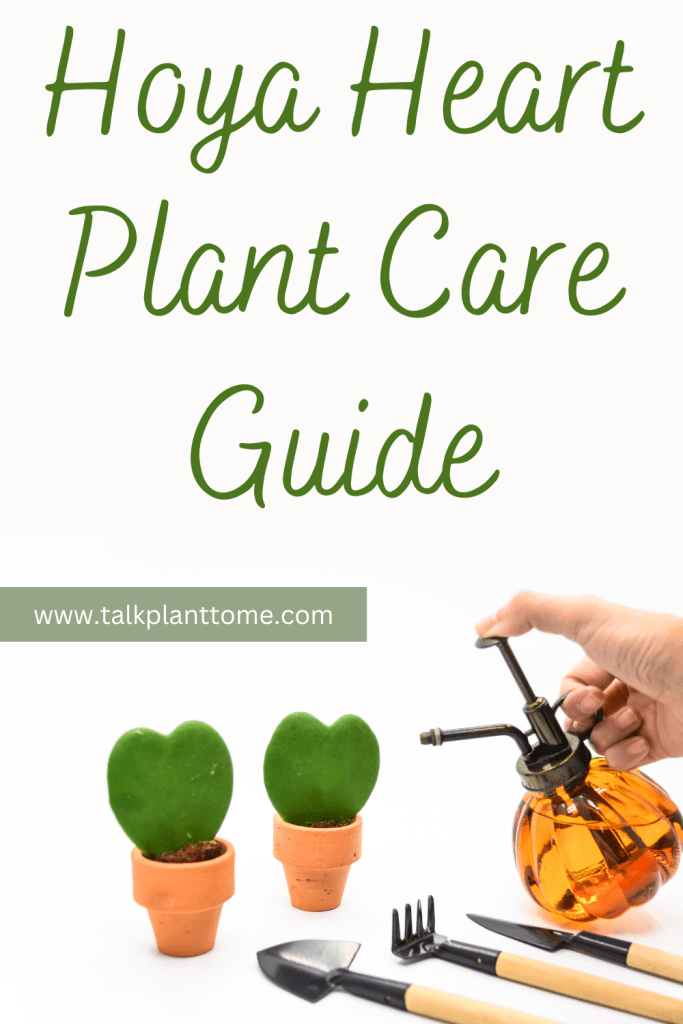
Hoya Heart Plant Care Guide
How to take care of a Hoya heart plant:
Lighting:
- Place your Hoya heart plant in bright, indirect light. It thrives in bright, filtered light but can tolerate some direct sunlight.
- Avoid exposing the plant to intense afternoon sun, as it may scorch the leaves.
- Rotate the plant periodically to ensure even growth and prevent one-sided leaning.
Temperature and Humidity:
- Maintain a temperature range between 60-80°F (15-27°C). The plant prefers warmer temperatures but can tolerate slight fluctuations.
- Hoya heart plants enjoy average to high humidity levels, so consider using a humidifier or placing the pot on a tray filled with water and pebbles to increase humidity around the plant.
Watering:
- Water your Hoya heart plant when the top inch of the soil feels dry to the touch.
- Use a well-draining potting mix and allow excess water to drain out of the bottom of the pot.
- Avoid overwatering or allowing the plant to sit in waterlogged soil, as it can lead to root rot.
- Adjust the watering frequency based on environmental conditions and the plant’s growth stage.
Soil and Potting:
- Use a well-draining soil mix, such as a blend of potting soil, perlite, and orchid bark.
- Repot your Hoya heart plant every 1-2 years, preferably during spring, using a slightly larger pot to accommodate its growing root system.
- Ensure the pot has drainage holes to prevent water from pooling at the bottom.
Fertilization:
- Feed your Hoya heart plant with a balanced, water-soluble fertilizer diluted to half the recommended strength.
- Apply fertilizer every 2-4 weeks during the growing season (spring and summer) to promote healthy growth.
- Reduce or halt fertilization during the winter months when the plant enters a period of dormancy.
Pruning and Maintenance:
- Prune your Hoya heart plant to maintain its desired shape and size. Trim leggy or overgrown stems to encourage bushier growth.
- Remove any yellowing or dead leaves promptly to maintain the plant’s appearance and prevent disease.
- Regularly inspect the plant for pests, such as mealybugs or spider mites. Treat infestations with a mild insecticidal soap or neem oil solution.
Propagation:
- Propagate your Hoya heart plant through stem cuttings. Select a healthy stem with a few leaves and place it in water or a well-draining potting mix until roots develop.
- Alternatively, propagate using a leaf cutting by placing the stem in water and waiting for small plantlets to emerge.
- Ensure the cuttings receive bright, indirect light and maintain proper humidity to promote successful root development.
Troubleshooting:
- Yellow leaves: Can indicate overwatering or too much direct sunlight. Adjust watering habits and provide adequate shade.
- Leaf drop: May occur due to environmental changes, overwatering, or temperature fluctuations. Ensure stable conditions and adjust watering accordingly.
- Stunted growth: Insufficient light or nutrients can lead to slow growth. Increase light exposure and fertilize appropriately.
By following these care guidelines, you can provide optimal conditions for your Hoya heart plant, ensuring its health and longevity. Remember, each plant is unique, so observe and adjust your care routine based on the specific needs of your Hoya heart plant. Enjoy the journey of nurturing this delightful succulent and watching it flourish in your indoor oasis.
Talk Plant To Me
If you enjoyed this article on Hoya Heart Plant Care Guide then you probably (hopefully!) will enjoy these articles as well:
 | Talk Plant To Me |