With its striking, oversized leaves and an aura of tropical elegance, the Alocasia plant has captivated the hearts of plant enthusiasts worldwide. Known for its stunning foliage and dramatic presence, caring for an Alocasia plant requires a delicate balance of attention and expertise. In this comprehensive care guide, we will unravel the secrets to cultivating a thriving Alocasia, empowering you with the knowledge and confidence to unleash the full beauty of this exquisite jewel in your indoor jungle. From understanding its unique needs to providing the ideal growing conditions, we will delve into the essential aspects of Alocasia care, ensuring that you can cultivate a vibrant, flourishing, and envy-inducing addition to your plant collection. Get ready to embark on a journey of Alocasia care mastery and witness the awe-inspiring transformation of this botanical masterpiece.
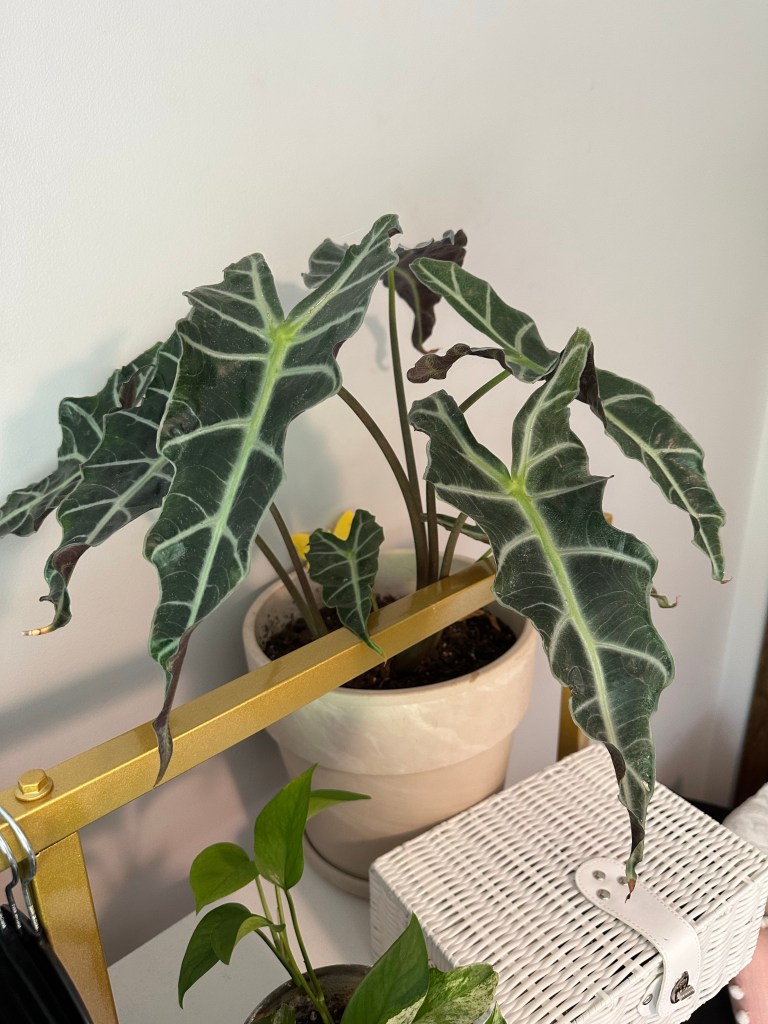
What you should know about alocasia plants:
- History: Alocasia plants belong to the Araceae family and are native to tropical regions of Asia and the Pacific Islands. They have a rich history, often found in tropical rainforests and cultivated for their ornamental value.
- Variety of Species: The Alocasia genus encompasses a wide variety of species, each with its unique characteristics. Some popular species include Alocasia amazonica, Alocasia macrorrhiza, and Alocasia zebrina.
- Striking Foliage: Alocasia plants are renowned for their impressive foliage. The leaves are large, heart-shaped, or arrowhead-shaped, with prominent veins and distinct patterns. The colors vary from deep greens to shades of silver, purple, or even black.
- Dramatic Silhouettes: The architectural form of Alocasia plants adds drama and visual interest to any space. Their tall, upright stems and broad leaves create a captivating presence, making them a centerpiece in indoor gardens and tropical-themed landscapes.
- Seasonal Blooms: While the primary attraction of Alocasia plants is their foliage, some species produce inflorescences known as spathes. These blooms are often hidden beneath the foliage and are typically small, with shades of white, yellow, or green.
- Tropical Aesthetic: Alocasia plants bring a touch of the tropics indoors. With their lush foliage and exotic appearance, they create a vibrant and lush atmosphere reminiscent of tropical rainforests.
- Popular Houseplants: Due to their unique beauty and popularity, Alocasia plants have become sought-after houseplants and prized collector’s items for plant enthusiasts. They are frequently featured in interior design and are statement pieces in any plant collection.
- Care Requirements: While not discussed in detail here, Alocasia plants require specific care to thrive. Factors such as light, temperature, humidity, and watering need to be carefully considered to ensure their well-being.
The Ultimate Alocasia Plant Care Guide
How to care for an alocasia plant:
- Light: Alocasia plants thrive in bright, indirect light. Place them near a window with filtered sunlight or provide artificial grow lights if natural light is limited. Avoid exposing them to direct sunlight, as it can scorch their leaves.
- Temperature: These plants prefer temperatures between 65-85°F (18-29°C). Protect them from drafts and cold temperatures, as they are sensitive to chilly air. Avoid placing them near air conditioning vents or cold windows during colder months.
- Humidity: Alocasia plants enjoy high humidity levels. Mist the leaves regularly with water or use a humidifier to increase humidity around the plant. Placing a tray filled with water and pebbles beneath the plant can also help create a humid microenvironment.
- Watering: Keep the soil evenly moist but not waterlogged. Water thoroughly when the top inch of soil feels dry, allowing excess water to drain away. Ensure that the pot has drainage holes to prevent waterlogging, which can lead to root rot.
- Soil: A well-draining potting mix is crucial for Alocasia plants. Use a mixture of peat moss, perlite, and loamy soil to provide good drainage while retaining some moisture. Avoid heavy clay soils that can hold too much water.
- Fertilization: Feed your Alocasia plant with a balanced, water-soluble fertilizer diluted to half strength during the growing season (spring and summer). Apply the fertilizer every two to four weeks, following the package instructions.
- Pruning: Remove any yellow or damaged leaves to maintain the plant’s overall health and appearance. You can also trim leggy stems to encourage bushier growth. Use clean and sharp pruning shears to avoid introducing infections.
- Repotting: Alocasia plants may require repotting every one to two years, depending on their growth. Choose a slightly larger pot with good drainage and fresh potting soil. Repot in spring when the plant is actively growing.
- Pests: Keep an eye out for common houseplant pests like spider mites, mealybugs, and aphids. Regularly inspect the leaves and stems for signs of infestation. If detected, treat the plant with an appropriate insecticide or use organic pest control methods.
- Dormancy: Some Alocasia plants may enter a period of dormancy during winter, where they may experience a natural decline in growth. Reduce watering and withhold fertilizer during this time while maintaining a stable temperature and humidity level.
Remember that different Alocasia species may have slightly different care requirements. It’s always helpful to research the specific needs of your Alocasia variety to ensure you provide the best care possible. With proper attention and a nurturing touch, your Alocasia plant will thrive, gracing your space with its captivating beauty.

Talk Plant To Me
If you enjoyed this article on The Ultimate Alocasia Plant Care Guide then you probably (hopefully!) will enjoy these articles as well:
 | Talk Plant To Me |