Imagine stepping into a lush oasis, surrounded by an enchanting array of vibrant foliage, bold colors, and captivating textures. The allure of tropical plants is undeniable, evoking a sense of paradise and transporting us to faraway destinations. But why settle for just one tropical plant when you can create an entire ensemble of botanical wonders that harmoniously thrive together? In this article, we will delve into the art of combining tropical plants to transform your indoor or outdoor space into a tropical paradise. From pairing foliage with contrasting shapes and sizes to selecting plants with complementary care requirements, we will explore the secrets to curating a captivating tapestry of tropical beauty. Get ready to embark on a horticultural adventure and discover the endless possibilities of planting together an ensemble of exotic delights that will leave you and your guests in awe. Welcome to the world of tropical plant companionship!
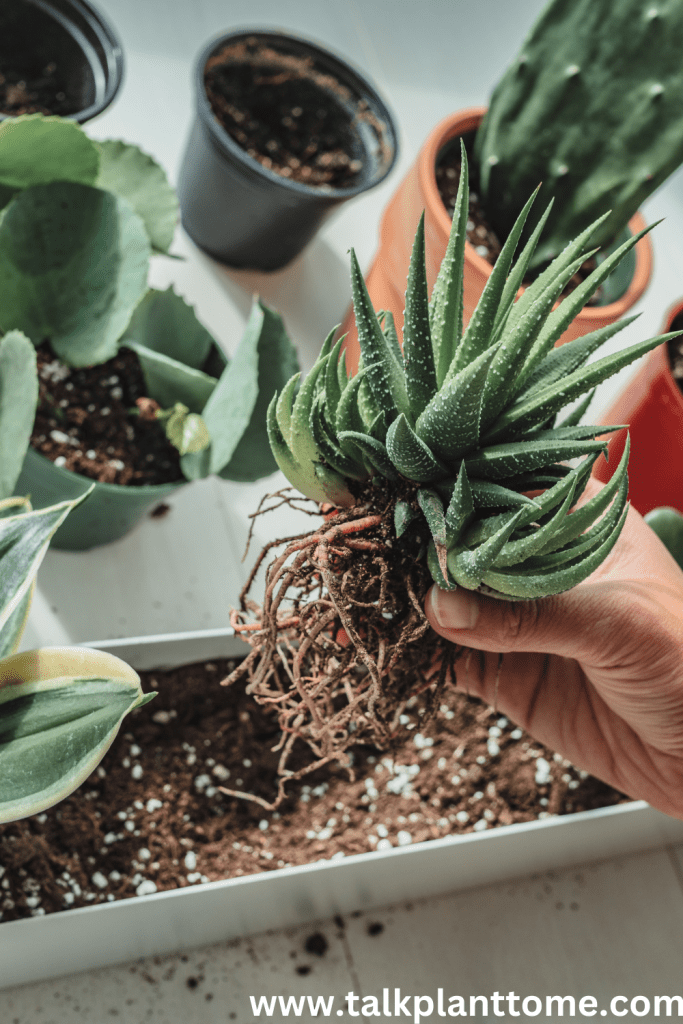
Before we get into these tropical plants that can share a pot let’s talk about the basics of plants sharing pots.
- Space Optimization: Sharing pots allows you to make the most of limited space, especially in small gardens, balconies, or indoor settings. By grouping plants in the same pot, you can create a visually appealing arrangement while maximizing the number of plants you can grow.
- Aesthetic Appeal: Plant sharing can create visually stunning compositions by combining plants with different shapes, sizes, textures, and colors. Mixing foliage plants with flowering varieties or contrasting leaf shapes can result in a dynamic and eye-catching display.
- Complementary Growth Habits: When selecting plants to share a pot, consider their growth habits. Pairing plants with varying heights and growth patterns can create a sense of depth and dimension in your arrangement. For example, tall and upright plants can be combined with trailing or cascading varieties to add vertical interest.
- Ecological Balance: Some plants have symbiotic relationships or mutual benefits when grown together. For instance, certain plants can repel pests or attract beneficial insects, promoting a healthier ecosystem within the shared pot. This can contribute to natural pest control and overall plant health.
- Moisture Regulation: Plant sharing can help regulate moisture levels within the pot. Combining plants with different water requirements allows you to create microclimates, ensuring that each plant receives the appropriate amount of water. Moisture-loving plants can benefit from the presence of drought-tolerant companions by reducing excess moisture in the pot.
- Nutrient Cycling: Plants sharing the same pot can contribute to nutrient cycling. As they grow and shed leaves, organic matter accumulates in the pot, decomposes, and enriches the soil. This process can enhance the overall fertility of the potting mix, reducing the need for additional fertilization.
- Companion Planting Benefits: Certain plants have natural synergies and can benefit each other when grown together. For example, nitrogen-fixing plants, such as legumes, can enrich the soil with nitrogen, benefiting neighboring plants. Companion planting can also help repel pests or attract pollinators, promoting a healthy and balanced plant community.
- Seasonal Flexibility: Sharing pots allows for easier plant rotation and flexibility with seasonal displays. You can swap out plants depending on their bloom times or adjust the arrangement to accommodate changing light conditions throughout the year.
- Ease of Maintenance: Grouping plants in shared pots can simplify maintenance tasks. Watering, fertilizing, and pruning can be done more efficiently as you treat the plants within the same container as a cohesive unit. It also reduces the time and effort required for individual pot care.
- Educational and Botanical Interest: Plant sharing provides an opportunity for learning and exploration. By observing how different plants interact and grow together, you can gain a deeper understanding of their characteristics, growth patterns, and unique requirements. It sparks curiosity and fosters a deeper appreciation for the botanical world.
- Experimentation and Creativity: Sharing pots encourages experimentation and creativity in gardening. You can mix and match plants to create unique combinations, exploring new color palettes, textures, and visual effects. It allows you to express your personal style and create custom arrangements that reflect your gardening vision.
- Building Plant Communities: Sharing pots fosters a sense of community among plants, as they coexist and interact in a shared space. It mirrors the diversity and interconnectedness found in natural ecosystems, creating a harmonious and balanced plant community.
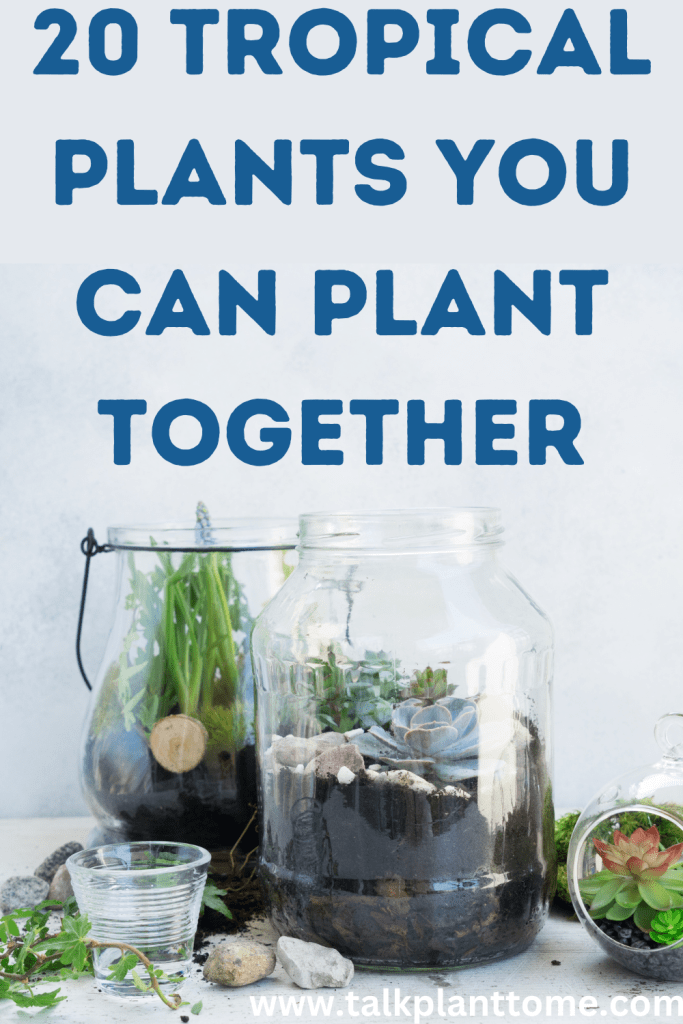
20 Tropical Plants You Can Plant Together
Which fun tropical plants can you put in one pot:
- Monstera deliciosa (Swiss cheese plant): Known for its iconic, fenestrated leaves, the Monstera deliciosa adds a tropical touch with its unique foliage and vining habit. It thrives in bright, indirect light and prefers well-draining soil.
- Philodendron bipinnatifidum (Split-leaf philodendron): With its large, deeply lobed leaves, this philodendron brings a bold and tropical look to any space. It enjoys bright, indirect light and regular watering, allowing the soil to slightly dry out between waterings.
- Calathea ornata (Pinstripe calathea): The Calathea ornata showcases striking pink stripes on its dark green leaves, making it a visually captivating addition. It prefers moderate to bright indirect light and consistently moist soil.
- Alocasia zebrina (Elephant ear plant): Recognizable by its arrowhead-shaped leaves adorned with prominent white veins, the Alocasia zebrina thrives in bright, indirect light and high humidity. It requires regular watering to keep the soil evenly moist.
- Strelitzia reginae (Bird of paradise): This tropical beauty features vibrant orange and blue flowers resembling the plumage of a bird. It requires bright, indirect light and well-draining soil, with regular watering during the growing season.
- Maranta leuconeura (Prayer plant): Known for its fascinating leaf movements, the Maranta leuconeura showcases richly colored leaves with intricate patterns. It thrives in bright, indirect light and prefers consistently moist soil.
- Musa spp. (Banana plant): The Banana plant adds a touch of the tropics with its large, lush leaves and potential to produce edible fruit. It prefers full sun to partial shade and regular watering to keep the soil consistently moist.
- Schefflera actinophylla (Umbrella tree): With its glossy, umbrella-shaped leaves, the Schefflera actinophylla brings a touch of elegance to tropical arrangements. It prefers bright, indirect light and regular watering, allowing the soil to dry out slightly between waterings.
- Syngonium podophyllum (Arrowhead vine): This versatile trailing plant features arrowhead-shaped leaves that come in various colors and patterns. It can tolerate a range of light conditions from low to bright indirect light and prefers slightly moist soil.
- Dracaena fragrans (Corn plant): The Dracaena fragrans adds a vertical element with its tall, cane-like stems and arching leaves. It thrives in medium to bright indirect light and prefers to dry out between waterings.
- Dieffenbachia spp. (Dumb cane): Known for its large, variegated leaves, the Dieffenbachia adds a splash of color and texture to tropical plant arrangements. It prefers medium to bright indirect light and regular watering, allowing the soil to slightly dry out between waterings.
- Aglaonema spp. (Chinese evergreen): The Aglaonema showcases beautifully patterned leaves and thrives in low to bright indirect light. It prefers consistently moist soil and can tolerate lower light conditions.
- Anthurium andraeanum (Flamingo flower): With its heart-shaped, colorful blooms, the Anthurium andraeanum adds a touch of elegance and tropical charm. It prefers bright, indirect light and well-draining soil, with regular watering to keep the soil evenly moist.
- Cordyline fruticosa (Ti plant): This vibrant plant boasts colorful, sword-like leaves that add a dramatic flair to tropical arrangements. It thrives in bright, indirect light and requires consistently moist soil.
- Croton spp. (Codiaeum variegatum): Croton plants are known for their vibrant and multicolored foliage, featuring combinations of red, orange, yellow, and green. They add a tropical and exotic touch to any plant collection. Crotons prefer bright, indirect light and require well-draining soil. They appreciate regular watering, allowing the top inch of soil to dry out between waterings.
- Bromeliads (Various species): Bromeliads encompass a diverse group of plants known for their striking and often colorful foliage. They come in various shapes, sizes, and colors, making them a versatile choice for tropical plant arrangements. Bromeliads typically prefer bright, indirect light and well-draining soil. Many species have a central cup or rosette where water collects, so it’s essential to keep this reservoir filled.
- Pilea peperomioides (Chinese money plant): The Pilea peperomioides, also known as the Chinese money plant or pancake plant, features unique, round, coin-shaped leaves that add a playful and modern touch to any space. It prefers bright, indirect light but can tolerate lower light conditions. Pilea plants prefer well-draining soil and regular watering, allowing the top inch of soil to dry out between waterings.
- Ficus lyrata (Fiddle-leaf fig): The Ficus lyrata, or fiddle-leaf fig, has gained tremendous popularity as an indoor plant for its large, glossy, violin-shaped leaves. It adds a touch of elegance and drama to any space. Fiddle-leaf figs prefer bright, indirect light and well-draining soil. They require regular watering, allowing the top inch of soil to dry out between waterings. They also benefit from occasional misting to increase humidity.
- Tradescantia spp. (Wandering Jew): Tradescantias are trailing plants known for their vibrant and colorful foliage. They come in various shades of green, purple, pink, and silver. Wandering Jew plants are relatively low-maintenance and adaptable, making them popular choices for hanging baskets and cascading displays. They prefer bright, indirect light and well-draining soil. Tradescantias appreciate regular watering, allowing the top inch of soil to dry out between waterings.
- Peperomia obtusifolia (Baby rubber plant): The Peperomia obtusifolia, or baby rubber plant, is a compact and easy-to-care-for tropical plant. It features thick, glossy leaves that are often variegated, adding texture and interest to indoor spaces. Baby rubber plants prefer bright, indirect light but can tolerate lower light conditions. They require well-draining soil and regular watering, allowing the top inch of soil to dry out between waterings.
Talk Plant To Me
If you enjoyed this article on 20 Tropical Plants You Can Plant Together then you probably (hopefully!) will enjoy these articles as well:
 | Talk Plant To Me |