Philodendrons have become a beloved staple in the world of indoor plants, captivating enthusiasts with their lush foliage and easygoing nature. With their heart-shaped leaves and trailing vines, these tropical beauties bring a touch of the exotic into our homes, offices, and green spaces. If you’re a proud owner of a Philodendron or are considering bringing one into your plant family, you’re in for a treat. In this article, we’ll explore the secrets of Philodendron plant care, empowering you with the knowledge to nurture and enjoy these stunning plants to their fullest potential.
Hailing from the tropical regions of South America, Philodendrons have adapted to thrive in a range of environments. Their resilience and forgiving nature make them an excellent choice for both novice and experienced plant enthusiasts. However, to truly unlock their beauty and keep them flourishing, a basic understanding of their specific care requirements is essential.
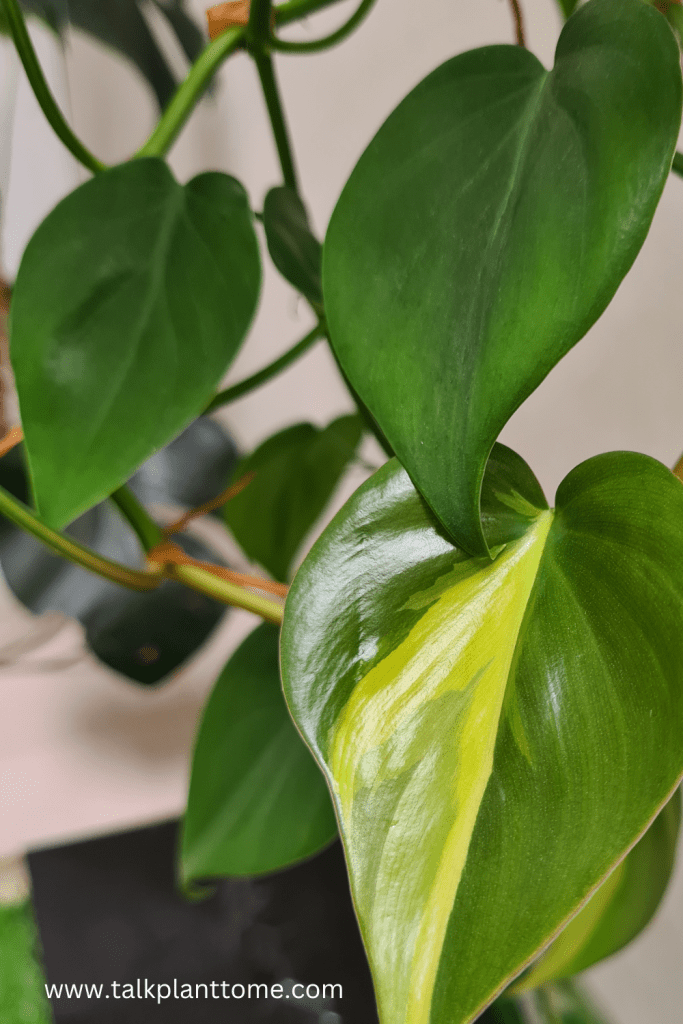
From selecting the right Philodendron variety for your space to creating an ideal environment, we’ll guide you through the key aspects of caring for these charismatic plants. We’ll delve into crucial topics such as proper watering techniques, optimal light conditions, and the importance of providing adequate humidity. Additionally, we’ll explore essential steps in repotting and fertilizing, as well as troubleshooting common issues that may arise along the way.
Philodendrons are not only aesthetically pleasing but also offer the added benefit of purifying the air in our surroundings. As we uncover the secrets to successful Philodendron care, we’ll also touch on the numerous benefits these plants bring to our well-being, creating a symbiotic relationship between us and our leafy companions.
Whether you’re the proud owner of a luscious Philodendron already gracing your space or are eager to welcome one into your plant collection, this article will serve as your go-to guide for nurturing and enjoying the beauty of these remarkable plants. Get ready to embark on a journey of exploration and learn how to create an environment where your Philodendron can thrive, bringing joy, tranquility, and a touch of the tropical into your life.
So, let’s dive into the world of Philodendron plant care, where we’ll unravel the secrets to success and discover the key ingredients for cultivating healthy, vibrant foliage. With our comprehensive guide in hand, you’ll be well-equipped to provide the optimal care your Philodendron deserves, ensuring its beauty and vitality for years to come.
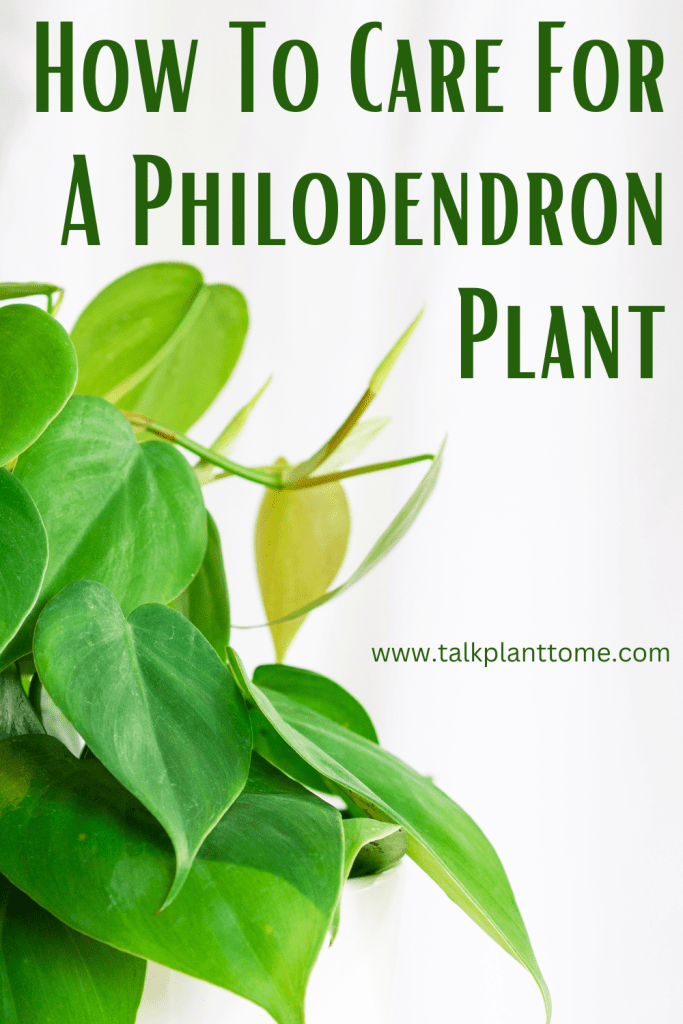
How To Care For A Philodendron Plant
The ultimate guide to taking care of philodendrons:
Caring for a Philodendron plant involves providing it with the right conditions and meeting its basic needs. Here are some essential care tips to help you keep your Philodendron healthy and thriving:
- Light Requirements:
- Philodendrons prefer bright, indirect light. Place your plant near a window with filtered sunlight or in a well-lit room, but avoid direct exposure to harsh, intense sunlight, which can scorch the leaves.
- If your Philodendron is not receiving enough light, it may exhibit leggy growth or smaller leaves. On the other hand, if it’s exposed to too much direct sunlight, the leaves can develop brown patches.
- Watering:
- Water your Philodendron thoroughly when the top inch of the soil feels dry. Allow excess water to drain out from the bottom of the pot, as Philodendrons don’t like sitting in standing water.
- Be cautious not to overwater or let the plant sit in soggy soil, as it can lead to root rot. Inadequate drainage or waterlogged conditions can cause the leaves to turn yellow or brown.
- Humidity:
- Philodendrons appreciate moderate to high humidity levels. You can increase humidity around your plant by misting its leaves regularly, placing it on a pebble tray filled with water, or using a humidifier.
- Higher humidity helps prevent leaf browning and promotes lush, healthy growth.
- Temperature:
- Philodendrons thrive in average room temperatures between 65-85°F (18-29°C). They can tolerate slightly cooler temperatures but should be kept away from drafts and cold windows.
- Avoid exposing your Philodendron to extreme temperature fluctuations, as it can cause stress and lead to leaf browning.
- Soil:
- Plant your Philodendron in well-draining potting soil that retains some moisture but doesn’t become waterlogged. A mix containing peat moss, perlite, and compost or orchid bark works well.
- Ensure the pot has drainage holes to prevent water accumulation.
- Fertilization:
- Feed your Philodendron with a balanced, water-soluble fertilizer during the growing season (spring and summer) every 2-4 weeks. Follow the instructions on the fertilizer package for proper dilution and application.
- Reduce or stop fertilizing during the winter months when the plant is in a dormant phase.
- Pruning and Maintenance:
- Regularly remove yellowing or browning leaves to maintain the plant’s overall appearance and health.
- If your Philodendron becomes leggy, you can trim back the long vines to encourage bushier growth.
- Clean the leaves occasionally with a damp cloth to remove dust and improve their ability to photosynthesize.
- Support and Training:
- Some Philodendron varieties have climbing or trailing growth habits. Provide a moss pole, trellis, or other support structure for these plants to climb on if desired. Gently guide the vines to the support to encourage upward growth.
Remember that different Philodendron species may have specific care requirements, so it’s essential to research the specific needs of your particular variety. With proper care and attention, your Philodendron can bring years of lush greenery and beauty to your indoor space.
Talk Plant To Me
If you enjoyed this article on How To Care For A Philodendron Plant then you probably (hopefully!) will enjoy these articles as well:
 | Talk Plant To Me |