Hey there, plant enthusiasts! Are you ready to dive into the wonderful world of ZZ plants? These trendy and resilient beauties have been stealing hearts with their lush, glossy foliage and low-maintenance nature. Whether you’re a seasoned plant parent or just starting your green journey, caring for ZZ plants is an absolute breeze. In this casual and fun guide, we’ll walk you through all the tips and tricks to ensure your ZZ plant thrives like a superstar. So, grab your gardening gloves and let’s embark on a journey filled with greenery, happiness, and a whole lot of ZZ plant love! Get ready to become the ultimate ZZ plant whisperer and bring some stylish green vibes into your space. Let’s dive in, shall we?

The Most Helpful Guide To ZZ Plants
How to care for ZZ plants in your home:
Light:
The ZZ plant (Zamioculcas zamiifolia) is known for its resilience and ability to thrive in various lighting conditions. Here are the light needs of a ZZ plant:
- Low to moderate light: The ZZ plant is well-suited for environments with low to moderate light levels. It can tolerate low light conditions where other plants may struggle. It’s an ideal choice for offices, bedrooms, or areas with limited natural light.
- Indirect light: While the ZZ plant can adapt to low light, it still benefits from receiving indirect light. Place it near a window with sheer curtains or in a spot where it receives filtered sunlight. Avoid placing it in direct sunlight, as this can scorch its leaves.
- Avoid intense, direct sunlight: ZZ plants are not fans of direct, intense sunlight. Prolonged exposure to direct sunlight can cause the leaves to yellow or burn. It’s best to protect them from harsh afternoon sun or use a sheer curtain to filter the light.
- Minimal light requirements: One of the reasons why the ZZ plant is a popular choice is its ability to thrive in low-light environments. It can tolerate conditions where other plants may struggle to survive. However, providing some indirect light will help maintain its lush green foliage.
Water:
- Allow the soil to partially dry: ZZ plants prefer slightly dry soil between waterings. Before watering, check the top inch (2.5 cm) of the soil by inserting your finger. If it feels dry, it’s time to water the plant. If it’s still slightly moist, wait a bit longer.
- Avoid overwatering: ZZ plants are prone to root rot if they are consistently overwatered. It’s crucial to prevent water from pooling in the bottom of the pot or letting the plant sit in standing water. Ensure that the pot has drainage holes, and after watering, empty any excess water that accumulates in the saucer.
- Water sparingly in winter: During the dormant winter months, when the growth rate slows down, ZZ plants require less water. Reduce the frequency of watering and allow the soil to dry out even more between waterings. It’s better to underwater than overwater during this period.
- Adjust watering based on conditions: Factors such as temperature, humidity, and the size of the plant and pot can influence the watering needs of your ZZ plant. In warmer and brighter conditions, the plant may require more frequent watering, while in cooler or less bright environments, it may need less.
- Use the “soak and dry” method: A suitable watering technique for ZZ plants is the “soak and dry” method. When watering, thoroughly drench the soil until water flows out of the drainage holes. Allow the excess water to drain completely, and then wait until the soil partially dries out before watering again.
- Monitor for signs of underwatering or overwatering: Pay attention to the plant’s leaves for indications of its watering needs. If the leaves start to wrinkle or feel limp, it may be a sign of underwatering. On the other hand, yellowing or mushy leaves can indicate overwatering.
Remember that ZZ plants can tolerate periods of drought and are more likely to suffer from overwatering than underwatering. It’s better to err on the side of caution and water less frequently rather than too often. By finding the right balance and allowing the soil to partially dry between waterings, you can keep your ZZ plant healthy and thriving.
Soil:
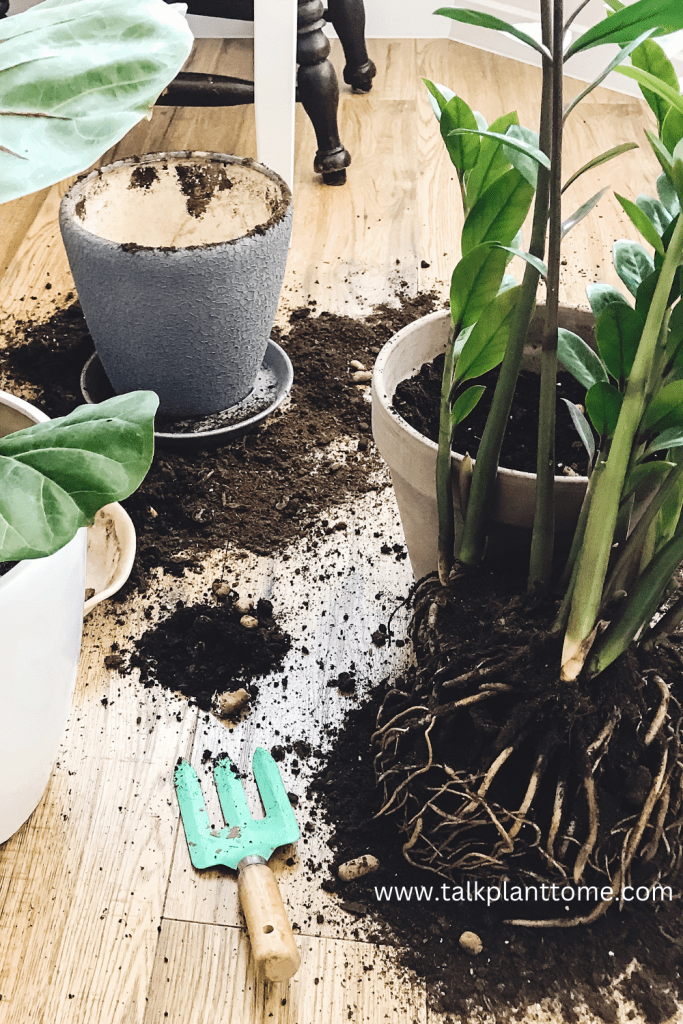
- Well-draining soil: ZZ plants prefer soil that provides good drainage. It’s essential to use a well-draining potting mix to prevent the roots from sitting in water, which can lead to root rot. Avoid heavy or compacted soils that retain excessive moisture.
- Succulent or cactus soil mix: ZZ plants benefit from a soil mix that is specially formulated for succulents or cacti. These mixes typically contain a combination of organic materials, such as peat moss or coconut coir, and inorganic materials like perlite or sand. This blend promotes adequate drainage and prevents waterlogged conditions.
- Perlite or sand: Adding perlite or sand to the soil mix can further improve drainage. These materials increase the airiness of the soil, allowing excess water to flow through more easily. Aim for a soil mix that includes a proportion of perlite or sand for enhanced drainage.
- Avoid heavy clay-based soils: Heavy clay soils can retain water for extended periods, leading to the risk of overwatering and root rot for ZZ plants. It’s best to avoid using clay-based soils or garden soil alone for potting ZZ plants.
- pH-neutral or slightly acidic soil: ZZ plants generally prefer a slightly acidic to neutral soil pH. A pH range of 6.0 to 7.0 is suitable for their growth. Most commercial potting mixes are designed to maintain a balanced pH level, but if you choose to create your own mix, ensure it is within the preferred pH range.
- Organic matter: While ZZ plants do not require excessive organic matter in their soil, a small amount can be beneficial. Organic matter helps retain moisture while still allowing proper drainage. Peat moss or coconut coir can be incorporated into the soil mix to improve its moisture retention capacity.
When potting or repotting your ZZ plant, select a container with drainage holes to prevent water from pooling at the roots. Use a well-draining potting mix that includes a combination of organic and inorganic materials for optimal soil conditions. Remember to water your ZZ plant appropriately based on its soil needs to maintain its health and vigor.
Temperature:
- Average room temperatures: ZZ plants prefer average room temperatures between 60-75°F (15-24°C). They can tolerate slightly cooler or warmer temperatures for short periods, but it’s best to provide them with a stable and comfortable environment within this temperature range.
- Avoid extreme temperature fluctuations: While ZZ plants are resilient, they can be sensitive to sudden temperature changes. Avoid placing them in areas with drafts, such as near air conditioning vents, open windows, or direct heat sources like radiators. Protect them from extreme temperature fluctuations, as it can stress the plant and affect its overall health.
- Moderate humidity: ZZ plants are adaptable to different humidity levels and can tolerate average household humidity. They can thrive in drier indoor environments, which makes them suitable for areas with lower humidity levels or during the winter when humidity tends to be lower. However, they can also tolerate slightly higher humidity levels without significant issues.
- Seasonal adjustments: While ZZ plants are generally hardy, they may benefit from seasonal adjustments in temperature and humidity. For example, during the cooler winter months, you may want to keep your ZZ plant away from cold drafts and ensure it doesn’t experience temperature extremes. In the summer, avoid placing it in direct sunlight, which can lead to overheating.
Fertilizer:
- Infrequent fertilization: ZZ plants do not require frequent fertilization. It’s generally recommended to fertilize them sparingly, typically once every 2-3 months during the growing season (spring and summer). Fertilizing less frequently helps prevent overfeeding, which can lead to salt buildup in the soil.
- Balanced, water-soluble fertilizer: When choosing a fertilizer for your ZZ plant, opt for a balanced, water-soluble fertilizer with equal proportions of nitrogen (N), phosphorus (P), and potassium (K). A general-purpose houseplant fertilizer with a ratio such as 10-10-10 or 20-20-20 will suffice.
- Dilute the fertilizer: Always follow the manufacturer’s instructions regarding the fertilizer’s dilution and application rates. It’s essential to dilute the fertilizer to half or even a quarter of the recommended strength to avoid excessive nutrient concentration. Over-fertilization can cause leaf burn or damage the plant’s roots.
- Apply during active growth: Fertilize your ZZ plant when it is actively growing, typically in spring and summer. This is when the plant has increased nutrient requirements and can make the most of the added fertilizers. During the dormant winter months, it is generally unnecessary to fertilize the plant.
- Avoid foliar feeding: ZZ plants do not typically benefit from foliar (leaf) feeding. Instead, focus on applying the diluted fertilizer directly to the soil. This allows the plant’s roots to absorb the nutrients effectively.
- Flush the soil periodically: To prevent fertilizer buildup and salt accumulation in the soil, periodically flush the soil with plain water. This helps remove any excess salts and keeps the soil pH balanced. Allow the water to flow through the pot’s drainage holes for a few minutes to ensure thorough flushing.
Pest control:
ZZ plants can occasionally encounter pests. Here are some common pests that may affect ZZ plants and some pest control measures:
- Mealybugs: Mealybugs are small, soft-bodied insects that often appear as white, cottony clusters on the plant’s leaves and stems. To control mealybugs, you can use a cotton swab dipped in rubbing alcohol to remove them manually. Alternatively, you can use insecticidal soap or neem oil spray to target the pests.
- Spider mites: Spider mites are tiny pests that create fine webbing on the leaves. They can cause discoloration and stunted growth. To control spider mites, regularly mist the plant to increase humidity, as they thrive in dry conditions. Additionally, you can use insecticidal soap or neem oil spray to eliminate them.
- Aphids: Aphids are small, sap-sucking insects that can cause curling leaves and sticky residue on the plant. You can remove aphids by spraying the affected areas with a strong stream of water. Alternatively, insecticidal soap or neem oil can be used for control.
- Scale insects: Scale insects appear as small, hard, shell-like bumps on the leaves and stems. They can cause yellowing, wilting, and overall decline of the plant. To control scale insects, you can gently scrape them off using a soft cloth or a cotton swab dipped in rubbing alcohol. Neem oil or insecticidal soap can also be effective.
- Fungus gnats: Fungus gnats are small, flying insects that are attracted to moist soil. They do not usually cause significant damage to ZZ plants but can be a nuisance. To control fungus gnats, allow the soil to dry out slightly between waterings to discourage their reproduction. Yellow sticky traps can also help capture adult gnats.
Regularly inspecting your ZZ plant for signs of pests, maintaining good hygiene, and providing appropriate cultural care can help prevent and manage pest infestations. If an infestation becomes severe or persists despite your efforts, you may consider using organic insecticides or seeking professional advice.
Talk Plant To Me
If you enjoyed this article on The Most Helpful Guide To ZZ Plants then you probably (hopefully!) will enjoy these articles as well:
 | Talk Plant To Me |