Hey there, plant enthusiasts! Are your leafy pals looking a little lackluster? It’s time to give them the spa treatment they deserve with a good old-fashioned plant cleaning session! Dusty leaves, pesky pests, and grimy residue don’t stand a chance against your cleaning prowess. In this article, we’ll dive into the world of plant pampering and show you how to clean your house plants like a pro. But don’t worry, no need for fancy equipment or complicated techniques here. We’re keeping it casual, fun, and oh-so-satisfying. Get ready to unleash your inner plant stylist and watch those green beauties shine brighter than ever before. From gentle wiping to refreshing showers, we’ve got the tips and tricks you need to transform your plants from drab to fab. So roll up your sleeves, grab a damp cloth, and let’s get ready to make your house plants the talk of the town. Let the cleaning adventure begin!
Before we get into the steps to clean your plants though let’s chat about the benefits of cleaning your house plants.
What are the benefits of cleaning house plants?
- Enhanced appearance: Dust and grime can accumulate on the leaves, making them appear dull and reducing their natural shine. Regular cleaning removes this buildup, restoring the plant’s vibrant and healthy look.
- Improved photosynthesis: Dust on the leaves can block sunlight and hinder the process of photosynthesis, which is crucial for plant growth and energy production. By cleaning the leaves, you ensure that they can effectively absorb light and carry out photosynthesis.
- Pest prevention: Cleaning your plants helps eliminate or prevent common pests such as spider mites, aphids, and mealybugs. Regular inspection and cleaning allow you to detect and address any pest infestations early on, keeping your plants healthy and pest-free.
- Better air quality: Dusty leaves can contribute to poor indoor air quality as they can harbor allergens and pollutants. Cleaning the leaves removes these particles, promoting cleaner and fresher air in your home.
- Enhanced plant respiration: Clean leaves can breathe better! Removing dust and debris allows for improved air circulation around the foliage, facilitating proper respiration and transpiration processes within the plant.
- Disease prevention: Regular cleaning helps prevent the spread of plant diseases. Fungal spores and bacteria can thrive on dirty leaves, leading to various infections. By maintaining cleanliness, you minimize the risk of disease development and promote a healthier plant environment.
How To Clean Your House Plants
Steps to clean your plants:
Step 1 –
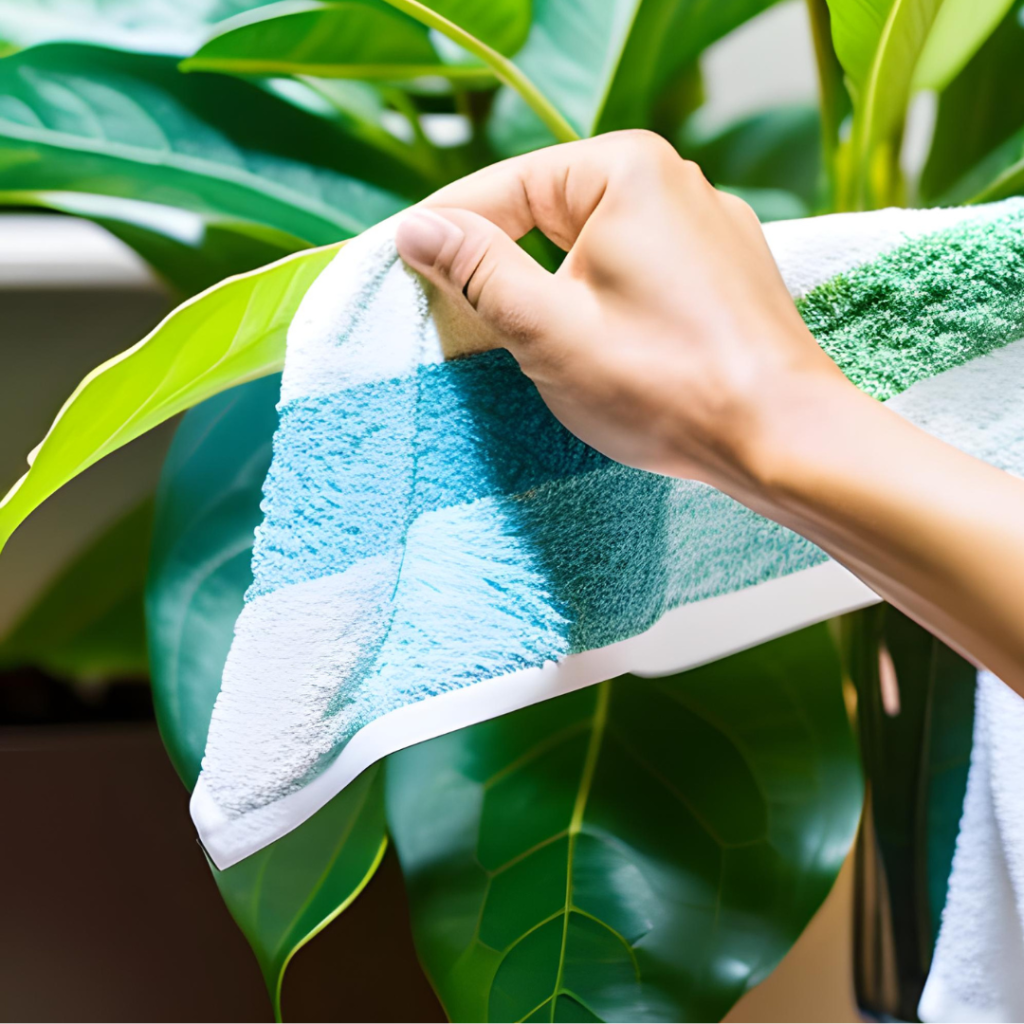
Dust off the leaves: Dust can accumulate on the leaves, hindering their ability to photosynthesize. Gently wipe the leaves with a soft, damp cloth or sponge to remove the dust. For larger plants or those with many leaves, you can use a feather duster or a soft brush to lightly brush off the dust.
- Soft cloth or sponge: Grab a soft cloth or sponge and dampen it slightly with clean water. Make sure it’s not too wet to avoid over-saturating the leaves.
- Gently wipe the leaves: Starting from the base of the plant, gently wipe each leaf with the damp cloth or sponge. Move your hand along both sides of the leaf, removing the accumulated dust as you go. Take care not to press too hard, especially with delicate or sensitive leaves.
- Feather duster or soft brush: For larger plants or those with numerous leaves, using a feather duster or a soft brush can be a quicker option. Lightly brush over the leaves to whisk away the dust. Remember to be gentle and avoid applying excessive pressure, as you don’t want to damage the foliage.
- Focus on the undersides: Don’t forget to pay attention to the undersides of the leaves. Dust tends to settle there as well, so give them a thorough swipe to ensure a comprehensive clean.
- Check for pests: While you’re at it, take a closer look at the leaves for any signs of pests like spider mites or aphids. If you spot any, gently remove them using a cotton swab dipped in rubbing alcohol or an insecticidal soap solution.

Step 2 –
Shower or rinse smaller plants: For smaller plants that can tolerate water, take them to the sink or shower and give them a gentle rinse. Use lukewarm water and allow it to run through the foliage, washing away dust and any potential pests. Be sure to support the soil to prevent it from washing out of the pot.
- Find the perfect spot: Take your small plant to the sink or bring it into the shower. Choose a location where water can freely flow and drain away without causing any mess.
- Lukewarm water is the key: Adjust the water temperature to lukewarm. This gentle temperature ensures that the plant isn’t shocked by hot or cold water.
- Let it rain: Allow the water to cascade gently over the foliage, making sure to cover all sides of the plant. The flowing water will help rinse away dust, dirt, and any pests that might have taken up residence.
- Mind the soil: While showering or rinsing, take care to support the soil in the pot to prevent it from washing out. You can use your hand to shield the soil or place a piece of plastic wrap over it temporarily.
- Give it a drain: After showering or rinsing, let the excess water drain away completely. Avoid letting the plant sit in standing water, as this can lead to root rot.

Step 3 –
Wipe down smooth leaves: Plants with smooth leaves, like rubber plants or snake plants, can be wiped with a damp cloth or sponge. Simply dampen the cloth and gently wipe each leaf to remove dust and grime.
- Prepare a damp cloth or sponge: Grab a soft cloth or sponge and dampen it with clean water. Make sure it’s not dripping wet, just slightly moist.
- Start wiping: Gently wipe each leaf, starting from the base and working your way towards the tip. Use light pressure and be mindful of the leaf’s delicate surface. This process will remove dust, dirt, and any grime that may have accumulated on the leaves.
- Pay attention to both sides: Remember to clean both the upper and lower sides of the leaves. Dust can settle on either surface, so giving them a thorough wipe will ensure a pristine appearance.
- Reach the nooks and crannies: Some plants may have leaves with textured or ribbed surfaces. Take extra care to clean those hard-to-reach spots by using a soft-bristle toothbrush or a cotton swab dipped in water. Gently scrub along the ridges to remove any dirt or debris.
- Allow the leaves to air dry: After wiping down the leaves, allow them to air dry naturally. Avoid exposing the plant to direct sunlight or heat sources while the leaves are damp, as this can lead to damage or burns.
Step 4 –
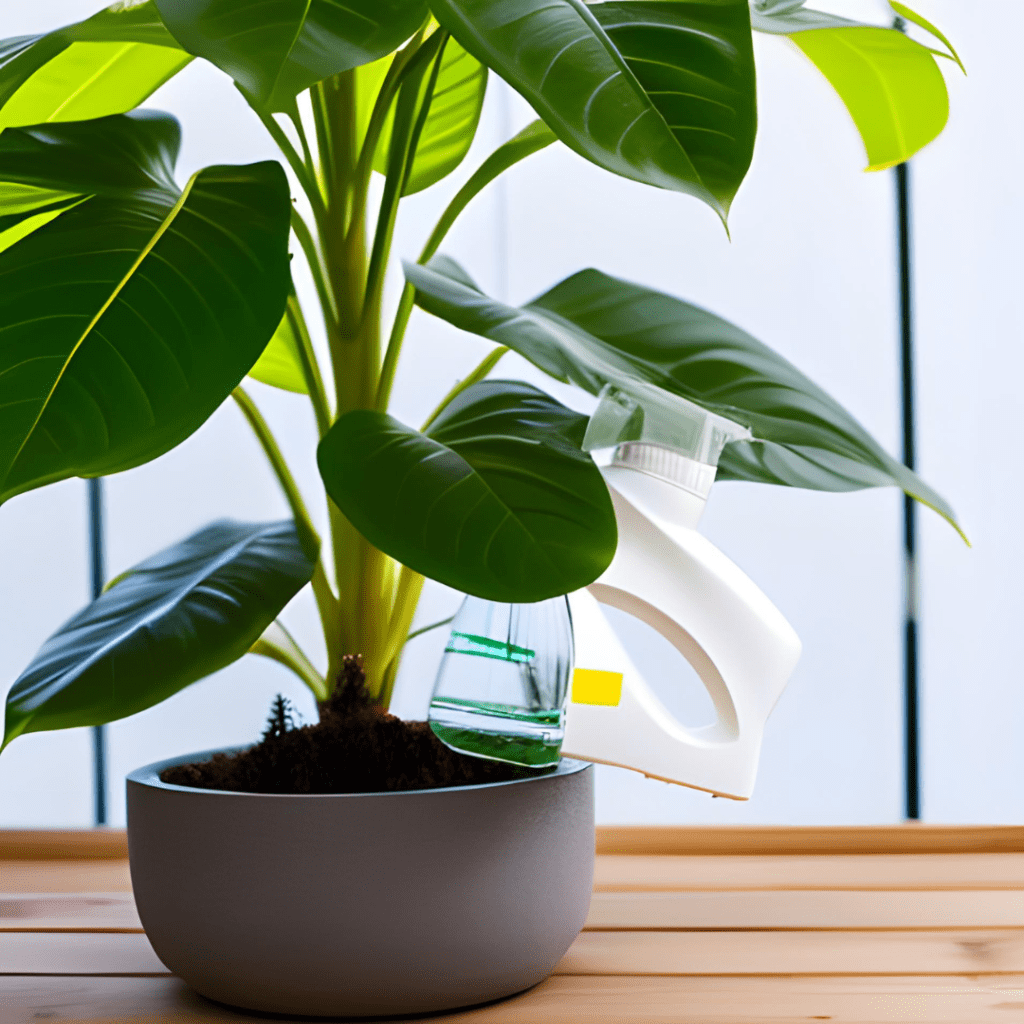
Use a gentle cleaning solution: For plants with stubborn grime or sticky residue, you can create a gentle cleaning solution. Mix a few drops of mild liquid soap or dish detergent in a bowl of lukewarm water. Dampen a cloth or sponge in the solution and carefully wipe the leaves, ensuring not to saturate them. Rinse with clean water afterward to remove any soap residue.
- Create the cleaning solution: In a bowl of lukewarm water, add a few drops of mild liquid soap or dish detergent. Ensure it’s a gentle and plant-friendly option, without any harsh chemicals.
- Dampen the cloth or sponge: Dip a soft cloth or sponge into the cleaning solution, making sure it’s just damp and not overly saturated. You want enough moisture to clean the leaves without causing any damage.
- Wipe away the grime: Carefully wipe each leaf with the damp cloth or sponge, focusing on the areas with stubborn grime or sticky residue. Gently apply pressure as needed, but be cautious not to be too rough with delicate leaves.
- Rinse, rinse, rinse: Once you’ve removed the grime, rinse the leaves with clean water to wash away any soap residue. You can do this by either gently pouring water over the foliage or giving the plant a quick shower or rinse.
- Patience is key: After cleaning, allow your plant to air dry naturally. Avoid exposing it to direct sunlight or heat sources while the leaves are damp, as this can cause damage or burns.
Step 5 –
Remove pests: If you notice any signs of pests on your plants, such as spider mites or mealybugs, it’s essential to address the issue promptly. Use a soft cloth or cotton swab dipped in rubbing alcohol to dab and remove pests. For severe infestations, you may need to treat the plant with appropriate organic or chemical pest control methods.
- Spot the intruders: Keep a close eye on your plants and watch out for any signs of pests. Look for tiny webs, unusual spots, or little critters crawling around. If you spot any, it’s time to take action!
- Alcohol to the rescue: Grab a soft cloth or cotton swab and dip it into some rubbing alcohol. Gently dab the affected areas where you see the pests. The alcohol will help eliminate them and keep them at bay.
- Persistent pests? Try organic or chemical treatments: For more severe pest infestations, you may need to explore organic or chemical pest control methods. Consult with a local garden center or do some research to find the best solution for your specific pests and plants. Remember to follow the instructions carefully to ensure safe and effective pest removal.
- Keep an eye out for reoccurrence: After treating your plants, continue to monitor them for any signs of pests. Regularly inspect the leaves and soil to catch any potential reinfestations early.

Step 6 –
Trim and tidy: While cleaning, take the opportunity to trim any yellowing or dead leaves to keep the plant looking tidy. Remove any debris or fallen leaves from the soil surface as well.
- Say goodbye to yellowing leaves: Yellowing leaves are a natural part of a plant’s life cycle, but they can also be a sign of stress or nutrient deficiencies. Trim off any yellowing or dead leaves using clean and sharp pruning shears. This not only improves the plant’s appearance but also redirects its energy towards healthy growth.
- Remove debris and fallen leaves: Keeping the soil surface clean and clear of debris is essential for maintaining good plant health. Remove any fallen leaves, twigs, or other organic matter that may have accumulated around the base of the plant. This helps prevent the growth of mold, fungus, or pests.
- Prune for shape and growth: Pruning can help shape your plants and encourage new growth. If you notice any leggy or overgrown branches, consider pruning them back to promote a more compact and bushy appearance. Make clean cuts just above a leaf node or bud to encourage healthy regrowth.
- Use clean tools: When trimming and tidying your plants, it’s important to use clean and sterilized pruning tools. This helps prevent the spread of diseases or pests between plants. Wipe the blades with rubbing alcohol or a household disinfectant before and after each use.
- Don’t go overboard: While it’s tempting to prune extensively, especially if you’re in a tidying frenzy, remember to avoid over-pruning. Each plant has its own growth habits, so be mindful of the natural shape and form of your plant. Aim to maintain a balanced and aesthetically pleasing appearance without going too extreme.

Step 7 –
Allow plants to dry: After cleaning, allow the plants to dry before placing them back in their designated spots. Ensure good airflow around the plants to prevent excess moisture that can lead to fungal issues.
- Find a well-ventilated area: Choose a spot with good airflow, like near an open window or a breezy corner of your home. Proper ventilation helps speed up the drying process and reduces the risk of moisture-related problems.
- Let them air out: Place your plants in the chosen area and allow them to air dry naturally. Avoid exposing them to direct sunlight or placing them near heating sources, as this can cause excessive drying or damage to the foliage.
- Patience is a virtue: Give your plants enough time to thoroughly dry. The duration may vary depending on factors like humidity levels and the size of the plant. Generally, a few hours to a full day should suffice.
- Assess before returning: Before placing your plants back in their designated spots, make sure they are completely dry. Check both the leaves and the soil to ensure there’s no lingering moisture. This step helps prevent potential fungal issues that can arise from damp conditions.
Remember, different plants may have specific care requirements, so always consider their individual needs when cleaning. Some plants, like fuzzy-leafed ones such as African violets, should not be wetted on their leaves and are best cleaned with a soft brush or by using a hairdryer set on low, cool air. Regular cleaning will help keep your house plants looking vibrant and thriving.
Talk Plant To Me
If you enjoyed this article on How To Clean Your House Plants then you probably (hopefully!) will enjoy these articles as well:
 | Talk Plant To Me |