
Hey there, plant lovers! Are your leafy friends looking a little lackluster lately? Well, fear not, because we’ve got just the solution to perk them right up! It’s time to dive into the wonderful world of fertilizing your house plants. Now, we know what you’re thinking – when exactly should you bust out the plant food and start sprinkling it around like a botanical wizard? That’s what we’re here to help you with! In this article, we’ll be spilling the dirt on when to fertilize your leafy pals, so you can give them the nutrient boost they deserve. Get ready for some serious plant party vibes as we break it down in a casual and fun tone. Let’s get growing, folks!
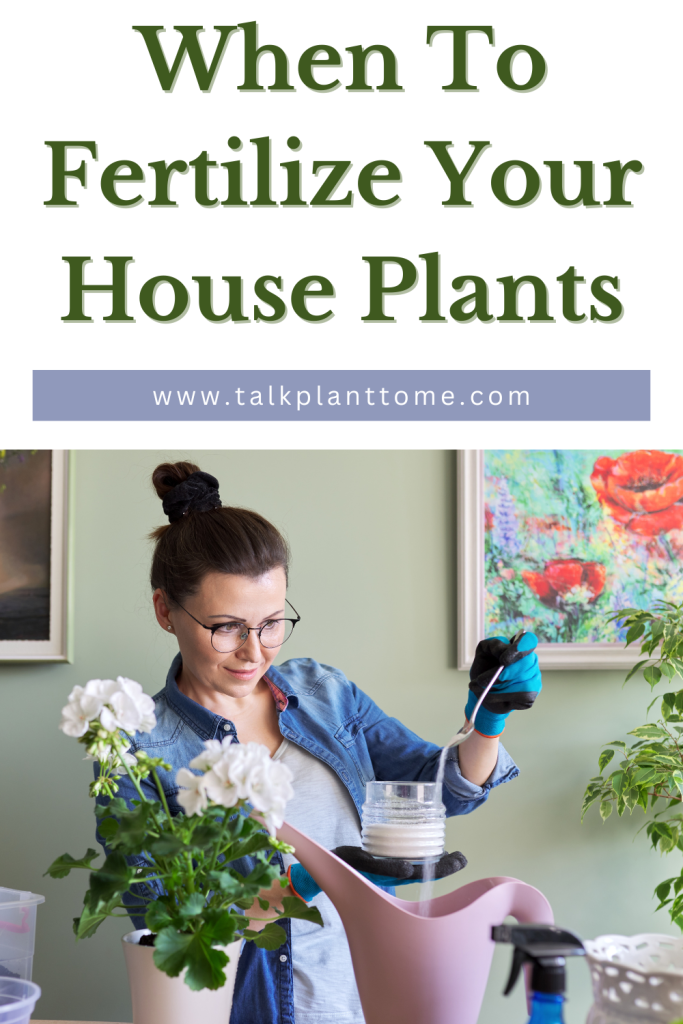
When To Fertilize Your House Plants
Signs you need to fertilize your indoor plants:
Here are some signs that indicate your plants might need a boost of fertilizer:
- Slow growth: If your plants are growing at a noticeably slower rate than usual or have become stagnant in their growth, it could be a sign of nutrient deficiency. Fertilizing can provide the necessary nutrients to stimulate growth and development.
- Pale or yellowing leaves: Pale or yellowing leaves can be a sign of nutrient deficiencies, particularly nitrogen. If you notice a general loss of color or yellowing of leaves, it might indicate that your plants need a nutrient boost.
- Weak or thin stems: Weak, thin, or leggy stems can be a sign that your plants are not receiving sufficient nutrients. Fertilizing can strengthen the stems and promote healthier and more robust growth.
- Lack of flowering or fruiting: If your flowering or fruiting plants are not producing blooms or fruits as expected, it could be due to nutrient deficiencies. Fertilizing can provide the necessary nutrients to support flowering and fruiting processes.
- Small leaf size: If your plants are producing unusually small leaves compared to their normal growth patterns, it might indicate that they are lacking essential nutrients. Fertilizing can help promote larger and healthier leaf development.
- Overall poor health: If your plants appear weak, dull, or overall unhealthy, it could be a sign of nutrient deficiencies. They may be struggling to obtain the necessary nutrients from the soil alone. Fertilizing can help improve their overall health and vitality.
It’s important to note that not all plants have the same fertilizer requirements, so be sure to choose a fertilizer specifically formulated for the type of plants you have. Follow the recommended dosage and application instructions on the fertilizer package to avoid over-fertilizing, which can lead to nutrient imbalances or burn the roots.
Regular observation and understanding the specific needs of your plants will help you determine when it’s time to fertilize. By providing the right nutrients at the right time, you’ll help your house plants thrive and flourish in their indoor environment.
Tips for fertilizing house plants:
- Choose the right fertilizer: Select a fertilizer that is suitable for the type of plants you have. Different plants have different nutrient requirements, so it’s important to use a fertilizer formulated for their specific needs. You can find a variety of fertilizers on the market, including liquid, granular, or slow-release options.
- Follow the instructions: Read and follow the instructions on the fertilizer packaging carefully. Pay attention to the recommended dosage, frequency of application, and any specific instructions or precautions. Over-fertilizing can harm your plants, so it’s better to err on the side of caution and use less than to use too much.
- Fertilize during active growth: It’s best to fertilize your house plants during their active growing season, which is typically in spring and summer. This is when plants have higher nutrient demands and can utilize the fertilizer most effectively. Reduce or avoid fertilizing during the dormant or resting period of your plants.
- Dilute liquid fertilizers: If you’re using a liquid fertilizer, dilute it according to the instructions provided. Too concentrated of a solution can burn the roots and damage the plant. Typically, diluting to half the recommended strength is a good starting point. Apply the diluted fertilizer evenly to the soil around the plant.
- Apply granular fertilizers evenly: For granular fertilizers, spread them evenly on the soil surface around the plant. Avoid piling the fertilizer directly on the stem or leaves, as this can cause burns. Gently work the granules into the top layer of soil or use a fork to lightly mix them in.
- Water after fertilizing: After applying fertilizer, water your plants thoroughly. This helps to distribute the nutrients evenly in the soil and prevents the risk of fertilizer burn. Watering also ensures that the roots can absorb the nutrients effectively.
- Monitor plant response: Observe how your plants respond to the fertilizer. If they show signs of nutrient deficiency or lack of growth despite fertilization, you may need to adjust the dosage or frequency. Conversely, if you notice signs of fertilizer burn, such as leaf discoloration or wilting, reduce the amount of fertilizer or frequency of application.
- Consider organic alternatives: If you prefer organic options, you can use organic fertilizers such as compost, worm castings, or seaweed extract. These provide nutrients in a natural and slow-release form, promoting long-term soil health.
Talk Plant To Me
If you enjoyed this article on When To Fertilize Your House Plants then you probably (hopefully!) will enjoy these articles as well:
 | Talk Plant To Me |