Hey there, plant-loving pals! Can we all agree that being a plant parent is both rewarding and a little like detective work? You know, trying to decode those mysterious plant signals and deciphering when it’s time for some leafy hydration? Well, fear not, because today, we’re spilling the water – ahem, beans – on how to tell when your green buddies are in need of a little refreshing sip!
Picture this: you’ve got your plant gang all lined up, each with its unique personality and leafy charisma. They’re chilling out, looking all vibrant and fabulous, but how can you be sure they’re not secretly craving a splash of good ol’ H2O? That’s where we come in, the plant detectives on a mission to help you decode the plant language!
In this casual and fun guide, we’ll unveil some handy tips and tricks to tell when it’s time to water your plants without relying on ESP (although we’d totally rock that superpower). From reading the mood of the soil to decoding the wilting waltz of the leaves, we’ve got your back on all things plant hydration!
So, grab your detective hat (a sunflower crown works too!), put on your plant-parent superhero cape, and let’s embark on this adventure to keep your green darlings quenched and thriving. Whether you’re a seasoned plant parent or just starting your green journey, our tips will have you saying, “I can read you like a book, dear plant!” And the best part? Your plants will show their gratitude with leafy dances and flourishing growth. Let’s water up and get ready for some plant-tastic detective work!
How To Tell It’s Time To Water Your Plants
Learn when it’s time for your house plants to be watered:
Overwatering or underwatering can both lead to issues, so it’s crucial to pay attention to the specific needs of each plant. Here are some general guidelines to help you determine when to water your plants:
- Check the Soil Moisture: The most reliable way to know when to water your plants is by checking the moisture level of the soil. Insert your finger about 1-2 inches into the soil (or up to your second knuckle). If the soil feels dry at this depth, it’s time to water. If it feels moist, wait a little longer before watering.
- Learn the Plant’s Watering Needs: Different plants have varying watering requirements. Some prefer consistently moist soil, while others prefer to dry out slightly between waterings. Research the specific needs of each plant species you have to ensure you’re providing the right amount of water.
- Observe the Plant’s Leaves: The leaves can provide clues about the plant’s water needs. Drooping or wilting leaves might indicate that the plant is thirsty and needs water. However, some plants naturally wilt during the hottest part of the day, even if they have enough water.
- Check the Weight of the Pot: If you have plants in containers, you can get a sense of their water needs by lifting the pot. A dry pot will be much lighter than a well-watered one. This method is especially useful for larger plants that may be challenging to check using the finger test.
- Use a Moisture Meter: A moisture meter is a handy tool that can measure the moisture content of the soil accurately. It typically has a probe that you insert into the soil, and it provides a reading of the moisture level. This tool is especially useful if you have a lot of plants or have difficulty gauging soil moisture by touch.
- Consider Environmental Factors: Factors such as temperature, humidity, and the amount of sunlight your plant receives can influence its water needs. Plants in hot and dry conditions may require more frequent watering than those in cooler and more humid environments.
- Water in the Morning: It’s generally best to water plants in the morning. This allows them to take up the water they need throughout the day and gives excess moisture a chance to evaporate, reducing the risk of fungal issues.
- Avoid Overwatering: Overwatering can be just as harmful as underwatering. If the soil is consistently soggy or if the plant’s roots are sitting in standing water, it can lead to root rot and other problems. Always ensure proper drainage for your plants.

By paying attention to your plants and understanding their individual needs, you’ll become more confident in knowing when and how much to water them. Over time, you’ll develop a green thumb and be able to provide your plants with the perfect balance of hydration for optimal growth and health.
Before we say goodbye let’s talk about the dangers of under watering and overwatering your plants! Because it is so important to learn how to properly water your house plants.
Risks of under watering plants:
Here are some of the risks and consequences of under watering plants:
- Stunted Growth: When a plant doesn’t receive enough water, it struggles to carry out essential processes like photosynthesis and nutrient uptake. This can result in stunted growth, where the plant fails to reach its full potential size.
- Wilting: One of the first signs of under watering is wilting. As water evaporates from the leaves, the plant’s cells lose turgidity, causing them to droop and wilt. While wilting can also occur due to overwatering, underwatered plants tend to recover when watered, whereas overwatered plants may not.
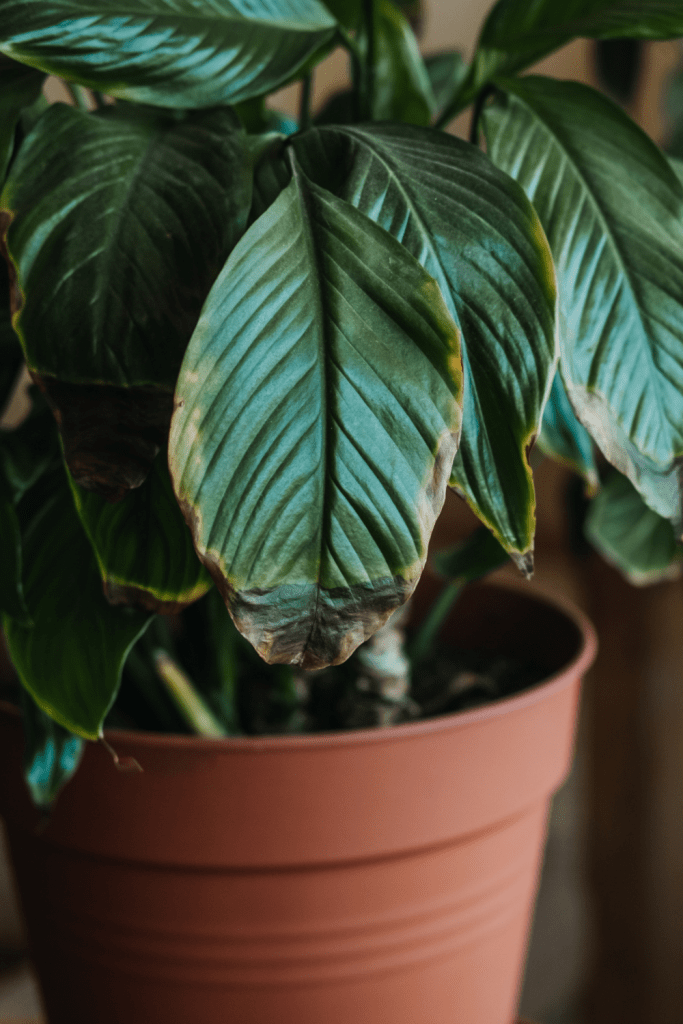
- Leaf Curling and Browning: Underwatered plants may show signs of stress by curling their leaves or developing brown, crispy edges. These symptoms are the plant’s attempt to conserve water by reducing the surface area exposed to sunlight and evaporation.
- Premature Leaf Drop: Insufficient water supply can cause leaves to drop prematurely, even if they are not naturally at the end of their life cycle. This is the plant’s way of reducing water loss through transpiration.
- Increased Susceptibility to Pests and Diseases: Underwatered plants weaken over time, making them more susceptible to pests and diseases. Stressed plants are less able to fend off attacks from insects and pathogens.
- Reduced Flowering and Fruit Production: Lack of water can disrupt the plant’s ability to produce flowers and fruits. Flower buds may drop, and fruits may fail to develop or remain small and underdeveloped.
- Root Damage: When soil becomes extremely dry, it can be challenging for roots to absorb water. Underwatered plants may experience root damage or desiccation, leading to a compromised root system.
- Death: If left unaddressed for an extended period, severe under watering can lead to the death of the plant. Prolonged water deprivation can cause irreversible damage, making it difficult for the plant to recover even with proper watering afterward.
Risks of overwatering plants:
Overwatering is a common mistake that many plant owners make, and it can have several negative consequences on plant health. Here are the risks of overwatering plants:
- Root Rot: One of the most significant risks of overwatering is root rot. When the soil remains constantly saturated, the roots can’t access enough oxygen, leading to the growth of harmful root-rotting fungi. Root rot causes the roots to decay, compromising the plant’s ability to take up water and nutrients.
- Yellowing Leaves: Overwatering can lead to yellowing leaves, often accompanied by a limp or wilted appearance. This happens because the roots are unable to function correctly, preventing the plant from absorbing essential nutrients.
- Wilting: Paradoxically, overwatered plants can exhibit wilting symptoms similar to underwatered plants. The roots may become damaged or unable to transport water to the rest of the plant, resulting in wilting leaves.
- Mold and Fungus Issues: Excess moisture encourages the growth of mold, fungus, and algae on the soil surface and plant leaves. These organisms can harm the plant and create an unsightly appearance.
- Poor Growth and Development: Overwatering can inhibit a plant’s growth and development. It may result in spindly stems, weak branches, and reduced flowering or fruit production.
- Pest Attraction: Standing water and excessively damp conditions can attract pests like mosquitoes and gnats. These insects may lay their eggs in the soil, leading to further problems for the plant.
- Nutrient Leaching: Overwatering can wash away essential nutrients from the soil before the plant has a chance to absorb them. This can lead to nutrient deficiencies and hinder the plant’s overall health.
- Edema: Edema is a condition in which plant cells fill with water to the point of bursting, resulting in blister-like lesions on leaves and stems. This occurs when the roots take up water faster than the plant can transpire it.
- Plant Death: If overwatering persists for an extended period, the plant’s root system may become severely damaged, leading to the eventual death of the plant.
Talk Plant To Me
If you enjoyed this article on How To Tell It’s Time To Water Your Plants then you probably (hopefully!) will enjoy these articles as well:
 | Talk Plant To Me |