Hello, fellow plant enthusiasts and decor connoisseurs! Are you captivated by the timeless allure of terracotta house plants? These rustic, earthenware pots have been an integral part of gardening history, captivating generations with their natural charm and timeless appeal. But as with any gardening choice, there’s more to terracotta pots than meets the eye!
In this fascinating article, we’ll delve deep into the pros and cons of embracing terracotta house plants as your green companions. We’ll unveil the secrets of why these traditional pots continue to grace our indoor spaces with their presence, alongside the considerations you need to ponder before welcoming them into your plant family.
The story of terracotta house plants is one of breathability, moisture regulation, and a touch of ancient wisdom passed down through the ages. We’ll explore how these porous pots promote optimal root aeration, providing a nurturing environment for a variety of plant species. From succulents and cacti to lush green foliage, terracotta pots have been a trusted ally for countless plant lovers worldwide.
However, every garden treasure has its drawbacks. We’ll also shed light on the potential challenges of terracotta, such as susceptibility to cracking, water evaporation, and the weight that comes with their earthen nature.
As we navigate through the terracotta landscape, you’ll discover how these pots can effortlessly blend with any decor style, whether modern or traditional, adding a touch of rustic elegance to your living spaces.
So, grab your favorite cup of herbal tea (or maybe even a classic Italian espresso to channel those Mediterranean vibes!), and join us on this horticultural journey of exploration. Whether you’re an experienced plant parent or just beginning your indoor gardening adventure, this article will equip you with the knowledge to make an informed decision about embracing the magic of terracotta house plants.
Let’s unearth the wonders of these clay pots and uncover the beauty they bring to our homes, while also considering the factors that make them unique. The world of terracotta house plants awaits—let’s dig in!
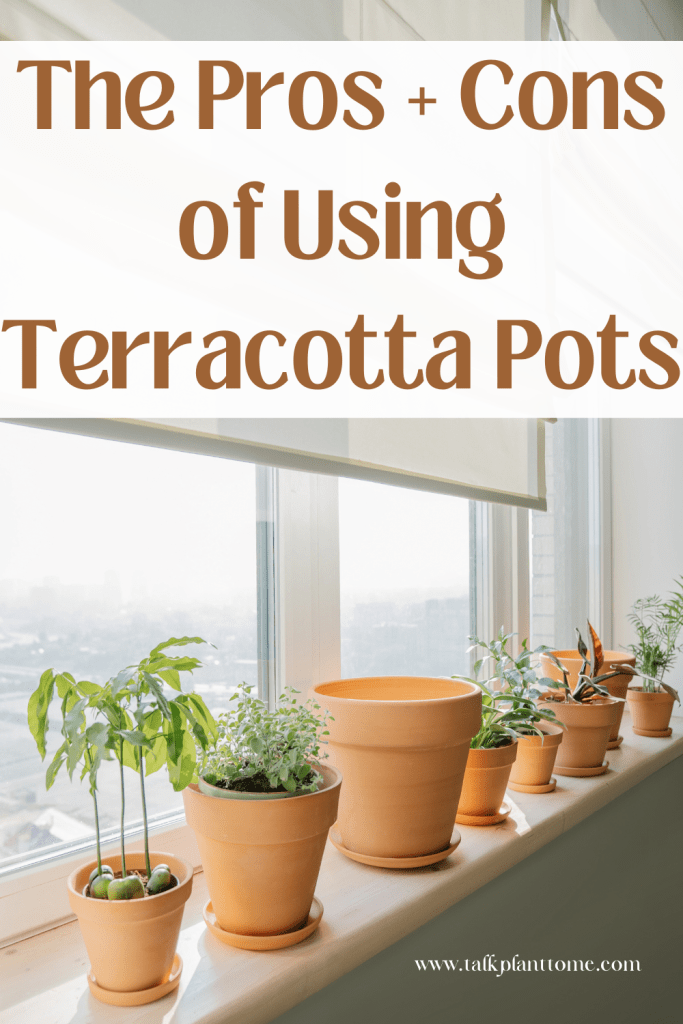
The Pros and Cons of Using Terracotta Pots
Understanding terracotta pots for your house plants:
Terracotta pots have been used for centuries and are a popular choice among gardeners for their unique characteristics. However, like any other gardening container, they come with both advantages and drawbacks. Let’s explore the pros and cons of using terracotta pots:
Pros:
- Breathability: Terracotta pots are porous, allowing air and moisture to pass through the walls of the pot. This promotes better root aeration and prevents overwatering, which can be beneficial for plants susceptible to root rot.
- Moisture Regulation: The porous nature of terracotta helps regulate soil moisture by absorbing excess water and releasing it when the soil dries out. This can be advantageous for plants that prefer well-draining soil.
- Aesthetic Appeal: Terracotta pots have a classic and rustic appearance, adding charm and a timeless quality to any garden or indoor setting.
- Temperature Regulation: Terracotta’s thermal properties can help moderate the soil temperature, protecting plant roots from extreme heat during hot weather.
- Suitable for Various Plants: Terracotta pots are suitable for a wide range of plants, especially those that prefer drier soil conditions, like succulents and cacti.
- Durability: High-quality terracotta pots can be long-lasting and withstand outdoor elements, provided they are not exposed to freezing temperatures, which can cause cracking.
Cons:
- Susceptible to Cracking: Terracotta pots can be prone to cracking in freezing temperatures or if dropped or mishandled.
- Heavy: Compared to some other types of pots, terracotta pots can be relatively heavy, making them less portable and challenging to move around, especially when they are filled with soil.
- Water Evaporation: The porous nature of terracotta can lead to faster water evaporation, which may require more frequent watering, especially in hot and dry climates.
- Staining and Algae Growth: Terracotta pots can develop mineral stains from hard water, and algae growth may occur on the exterior of the pots if they are consistently damp.
- Root Overgrowth: In some cases, plant roots can grow through the porous walls of the pot, making it challenging to remove the plant without damaging the roots.
- Limited Color Options: Terracotta pots typically come in the natural, reddish-brown color, which may not suit all design preferences.
In summary, terracotta pots offer excellent breathability, moisture regulation, and an attractive appearance, making them a popular choice for many gardeners. However, their susceptibility to cracking in freezing temperatures and water evaporation may require some extra care and consideration. It’s essential to weigh the pros and cons and consider the specific needs of your plants and the climate in which you’ll be using the pots before making a decision.
Alternatives to terracotta pots for your house plants:
If you’re looking for alternatives to terracotta pots for your house plants, there are plenty of other options available that offer various benefits. Here are some popular alternatives to consider:
- Plastic Pots: Plastic pots are lightweight, inexpensive, and come in various sizes and colors. They retain moisture well, reducing the frequency of watering. Look for pots with drainage holes to prevent overwatering.
- Ceramic or Porcelain Pots: These pots offer a wide range of colors, styles, and designs, making them an excellent choice for adding a decorative touch to your indoor space. They may not be as porous as terracotta, so be mindful of watering frequency.
- Fiberglass Pots: Fiberglass pots are lightweight and durable, making them easy to move around. They come in various finishes, including those that mimic the appearance of terracotta or stone.
- Resin Pots: Resin pots are versatile and can replicate the look of various materials, including terracotta, without the associated drawbacks. They are lightweight, weather-resistant, and come in various designs.
- Wooden Planters: Wooden planters offer a natural and rustic charm to your indoor space. They can be treated to resist water damage and are ideal for plants that prefer well-draining soil.
- Metal Pots: Metal pots, such as galvanized or copper planters, add a contemporary touch to your space. Choose ones with proper drainage to prevent waterlogging.
- Concrete or Cement Planters: These planters have a modern and industrial appeal. They are sturdy and retain moisture well, making them suitable for plants that require consistent watering.
- Fabric Grow Bags: Fabric grow bags are lightweight, breathable, and great for promoting healthy root growth. They are particularly useful for growing herbs and small plants.
- Ceramic Coated Pots: These pots have a ceramic outer layer over a plastic or fiberglass core, combining the aesthetics of ceramic with the lightweight and durability of the inner material.
- Self-Watering Pots: These pots come with a reservoir that allows plants to absorb water as needed, making them ideal for busy plant parents or plants that require consistent moisture.
Talk plant to me
If you enjoyed this article on The Pros and Cons of Using Terracotta Pots then you probably (hopefully!) will enjoy and find these articles helpful as well:
 | Talk Plant To Me |