
In a world that’s constantly bustling and filled with screens and devices, there’s something undeniably soothing about bringing a touch of nature indoors. House plants, those lush and vibrant green companions, do much more than just sit pretty on our windowsills or shelves. They offer a host of incredible benefits that can positively impact our physical and mental well-being.
In this article, we’re going to delve into the wonderful world of house plants and explore why they’re not just fantastic decor elements but also your ticket to a healthier and happier home. From their air-purifying superpowers to their calming influence on our lives, we’ll uncover the science-backed reasons why house plants are good for you. Whether you’re a seasoned plant parent or considering adopting your first leafy friend, you’re in for a treat. So, let’s dig into the dirt, figuratively speaking, and discover the magic of house plants.
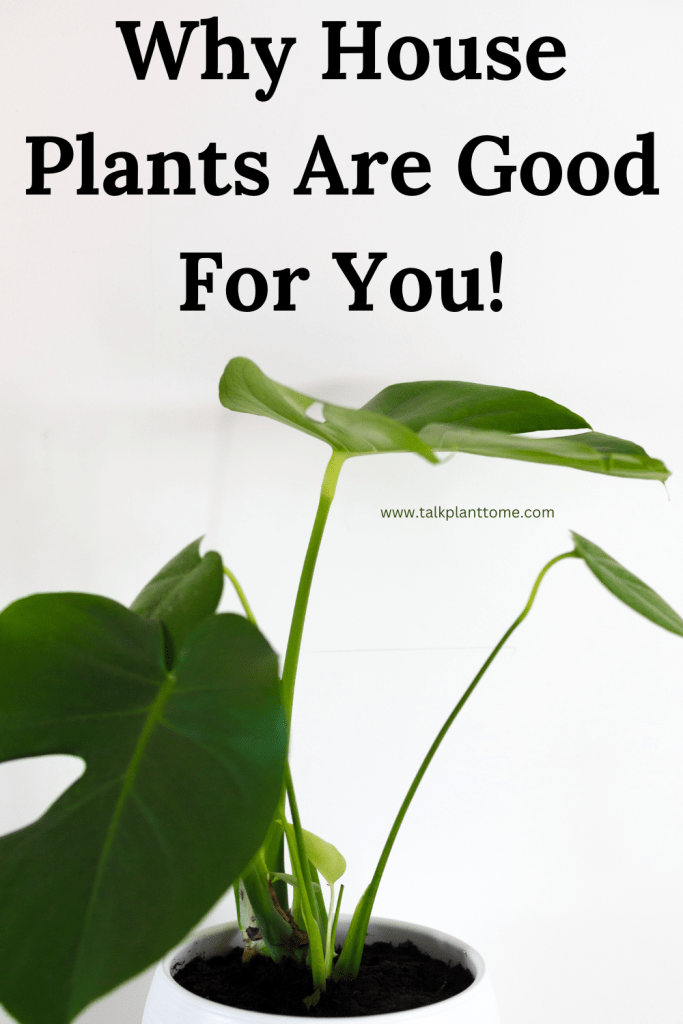
Why House Plants Are Good For You!
The benefits of having plants in your home:
- Improved Air Quality: House plants are natural air purifiers. They absorb carbon dioxide and release oxygen during photosynthesis, helping to improve the air quality in your home. Some plants, like snake plants and spider plants, can even filter out common indoor pollutants.
- Stress Reduction: Research has shown that being around greenery and nature, even indoors, can reduce stress levels and promote relaxation. The act of caring for plants can also be soothing and meditative.
- Humidity Control: Many house plants release moisture through a process called transpiration. This can help increase the humidity in your home, which is especially beneficial during dry winter months when indoor air can become too dry.
- Cognitive Benefits: House plants have been linked to improved concentration, memory, and productivity. They can create a more pleasant and productive environment for work or study.
- Aesthetics and Mood Boost: Simply having greenery in your living space can make it more visually appealing and boost your mood. Plants add vibrancy and a connection to nature to your surroundings.
- Better Sleep: Some house plants, like lavender and jasmine, can have calming and soothing effects that may improve sleep quality when placed in bedrooms.
- Enhanced Creativity: Having plants around can stimulate your creativity and inspire new ideas. Their presence can encourage a sense of inspiration and innovation.
- Connection to Nature: House plants offer a way to bring a piece of the natural world into your home, even if you don’t have access to outdoor green spaces. This connection to nature can provide a sense of tranquility and grounding.
- Improved Focus: Research suggests that having plants in your immediate environment can help increase attention span and reduce mental fatigue.
- Allergy Relief: While some people may be allergic to specific plants, others find relief from allergies due to improved air quality and humidity regulation.
In summary, house plants offer a myriad of benefits, from purifying the air to reducing stress and enhancing your overall well-being. They are a simple and enjoyable way to make your living space healthier and more enjoyable.

Convinced? Here is the easiest house plants in my opinion to start with:
- Snake Plant (Sansevieria): Snake plants are virtually indestructible and can thrive in low light conditions. They require minimal care and are excellent air purifiers.
- Spider Plant (Chlorophytum comosum): Spider plants are known for their air-purifying abilities and adaptability. They produce baby “spiderettes” that can be propagated into new plants.
- Pothos (Epipremnum aureum): Pothos is incredibly easy to care for and can thrive in various lighting conditions. It features cascading vines and heart-shaped leaves.
- Peace Lily (Spathiphyllum): Peace lilies are elegant and can tolerate low light. They also act as natural air purifiers, removing common indoor pollutants.
- ZZ Plant (Zamioculcas zamiifolia): ZZ plants are highly resilient and can endure neglect. They have glossy, dark green leaves that add a touch of modern elegance to any space.
- Rubber Plant (Ficus elastica): Rubber plants are known for their large, glossy leaves and adaptability to different light levels. They are relatively low-maintenance.
- Aloe Vera (Aloe barbadensis miller): Aloe vera is not only easy to care for but also has medicinal properties. Its succulent leaves can be used to soothe minor burns and skin irritations.
- Jade Plant (Crassula ovata): Jade plants are small, tree-like succulents that are easy to grow. They are known for their thick, fleshy leaves and can thrive with minimal attention.
- Cast Iron Plant (Aspidistra elatior): As the name suggests, cast iron plants are tough and resilient. They can tolerate low light and irregular watering.
- Boston Fern (Nephrolepis exaltata): Boston ferns are great for adding a touch of lush greenery to your home. They thrive in high humidity and indirect light.
- Chinese Evergreen (Aglaonema): Chinese evergreens are attractive, low-light house plants with variegated leaves. They are hardy and can adapt to various conditions.
- Philodendron (Philodendron spp.): Philodendrons come in various varieties and are known for their forgiving nature. They can thrive in different light conditions.
- Lucky Bamboo (Dracaena sanderiana): Lucky bamboo is a symbol of good fortune and is easy to care for in a vase of water or potting soil.
- Succulents (Various Species): Succulents, like Echeveria and Haworthia, are drought-tolerant and require infrequent watering. They come in various shapes and sizes, making them versatile for decor.
These house plants are excellent choices for beginners because they are resilient, adaptable, and relatively low-maintenance. However, it’s essential to research the specific care requirements of each plant to ensure they thrive in your home environment. Happy plant parenting!
Talk Plant To Me
If you enjoyed this article on Why House Plants Are Good For You then you probably (hopefully!) will enjoy these articles as well:
 | Talk Plant To Me |