
Zucchinis were my first truly successful vegetables in my first garden. Actually they were almost too successful and we ended up with so many zucchinis! All of my friends and family were tired of the zucchini bread I kept making and giving them. Joking! But seriously they are a great veggie to start with in your garden. But anything is intimidating the first time you are trying to grow it. And that is why today I am sharing my best tips for growing a zucchini plant in your garden.
So let’s get right into these helpful tips so you can get to planting and enjoying some delicious and fresh zucchinis right from your garden!
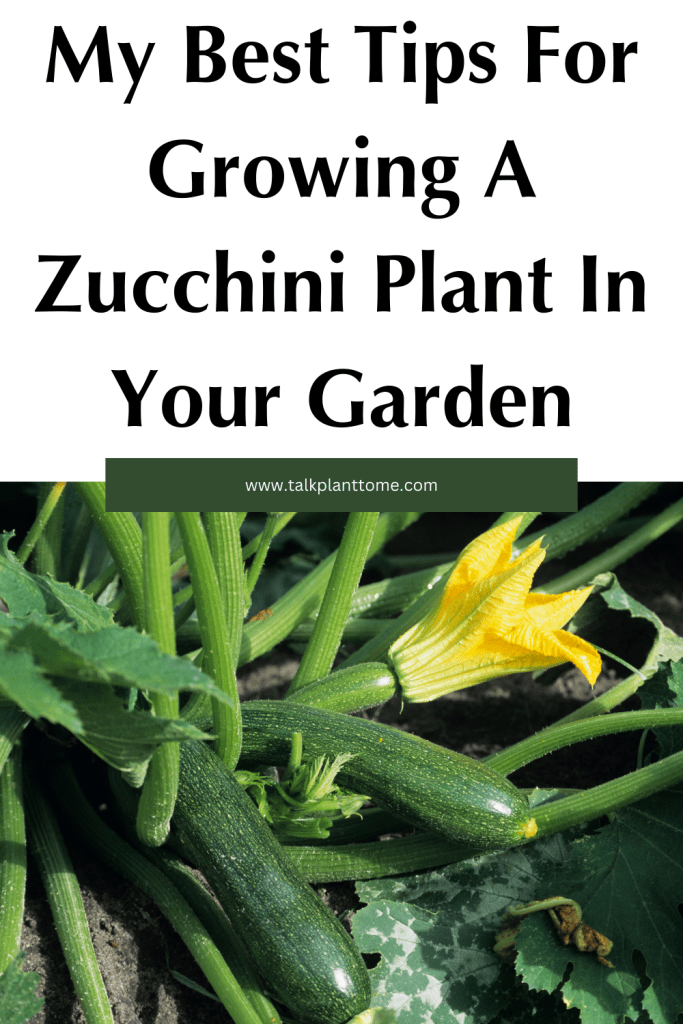
My Best Tips For Growing A Zucchini Plant In Your Garden
Zucchini plants tips and tricks:
- Choose the Right Location: Zucchinis thrive in warm, sunny locations with well-draining soil. Aim for a spot that receives at least 6-8 hours of sunlight per day. If your soil is heavy or clay-like, consider amending it with organic matter such as compost or aged manure to improve drainage and fertility.
- Start from Seeds or Seedlings: If starting from seeds indoors, sow them in biodegradable pots or seed trays filled with seed-starting mix. Keep the soil consistently moist and maintain a temperature of around 70-90°F for optimal germination. Once seedlings have developed several true leaves and the threat of frost has passed, transplant them into the garden.
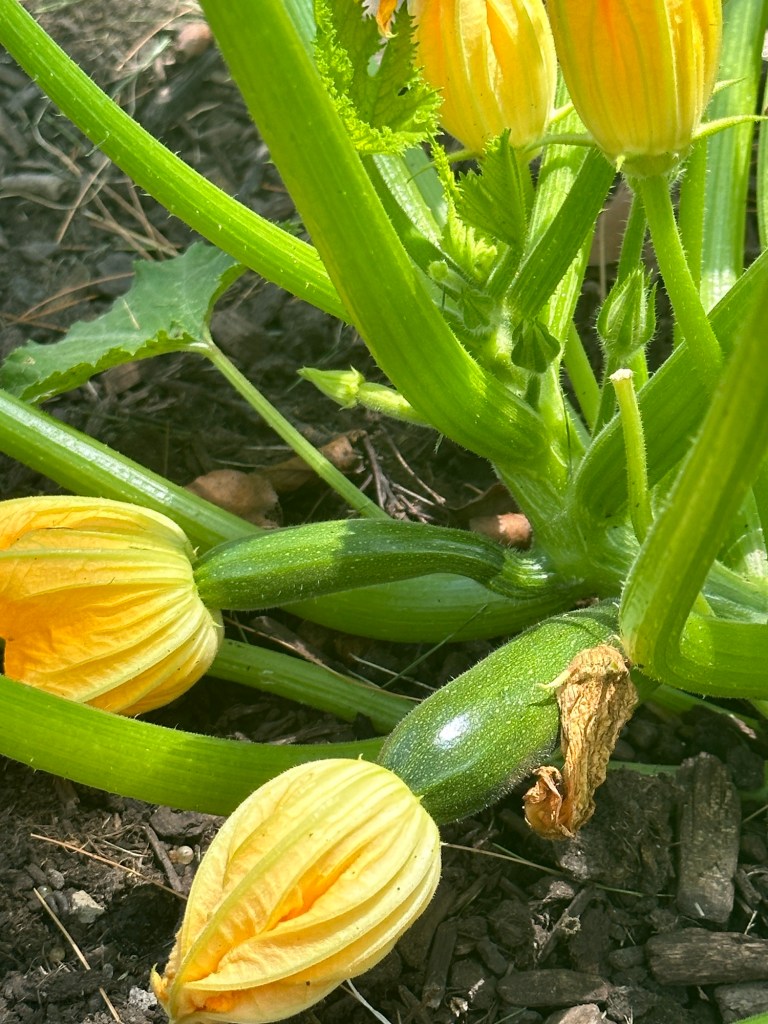
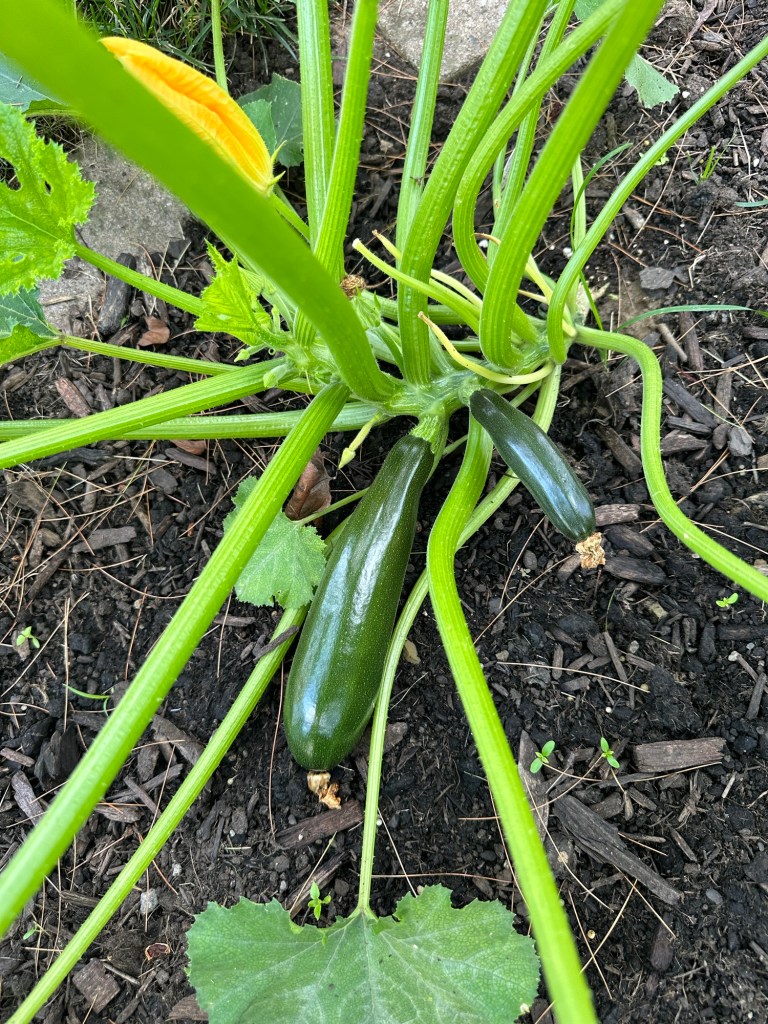
- Provide Adequate Space: Zucchini plants have large, spreading leaves and vines, so give them plenty of room to grow. Plant seeds or seedlings about 3-4 feet apart in rows spaced 4-6 feet apart. This spacing allows for proper air circulation and prevents overcrowding, which can lead to disease and poor fruit development.
- Water Regularly: Zucchinis require consistent moisture to thrive, especially during the flowering and fruiting stages. Water deeply and evenly to keep the soil consistently moist but not waterlogged. Avoid overhead watering, as wet foliage can increase the risk of fungal diseases. Consider using a soaker hose or drip irrigation system to deliver water directly to the soil.
- Mulch and Weed: Apply a 2-3 inch layer of organic mulch, such as straw, shredded leaves, or grass clippings, around the base of the plants to help retain moisture, suppress weeds, and regulate soil temperature. Mulching also helps prevent soil splashing onto the leaves, which can spread soil-borne diseases. Keep the area around the zucchini plants weed-free by pulling or mulching weeds regularly.
- Fertilize as Needed: Zucchinis are heavy feeders, so they benefit from regular applications of fertilizer throughout the growing season. Start by incorporating compost or well-rotted manure into the soil before planting to provide a slow-release source of nutrients. During the growing season, side-dress the plants with a balanced fertilizer every 3-4 weeks or use a liquid fertilizer diluted to half-strength according to package instructions.
- Pollination: Zucchini plants produce separate male and female flowers on the same plant. To ensure proper pollination and fruit set, encourage pollinators like bees and butterflies to visit your garden by planting a variety of flowering plants nearby. If pollination is lacking, you can also hand-pollinate the flowers by transferring pollen from the male flowers to the female flowers using a small paintbrush or cotton swab.
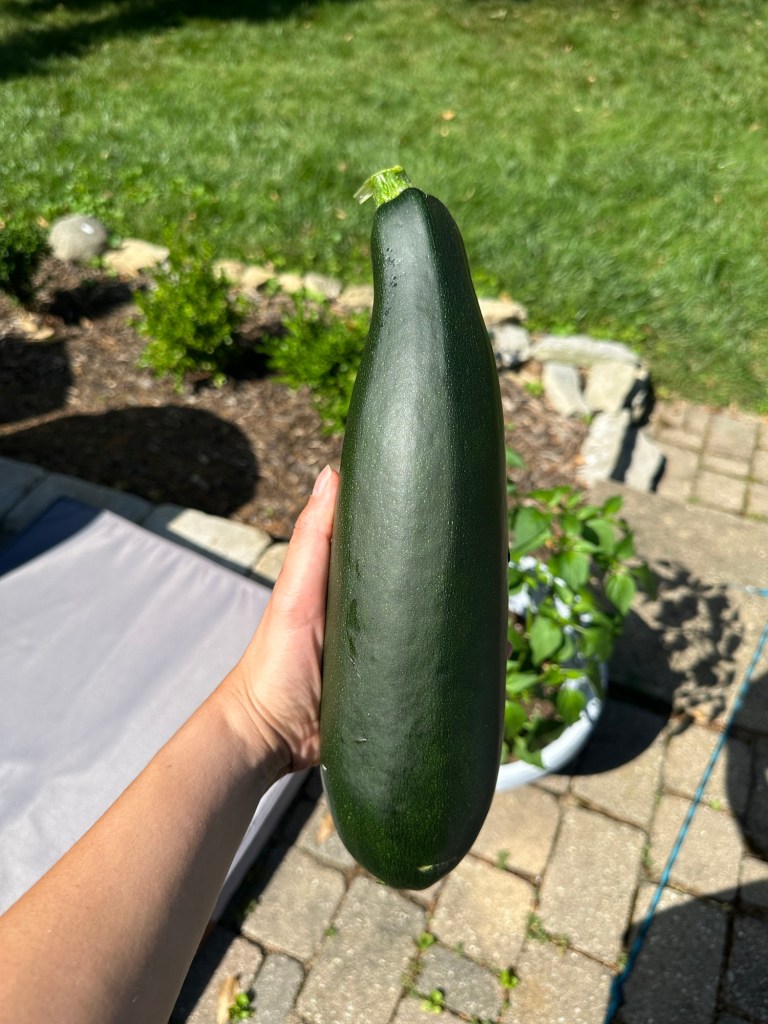
- Harvest Frequently: Zucchinis grow rapidly, so it’s essential to harvest them frequently to prevent them from becoming oversized and tough. Check the plants daily for ripe fruits and harvest them when they are small and tender, typically when they reach 6-8 inches in length. Use a sharp knife or pruning shears to cut the fruits from the plant, taking care not to damage the vines or nearby fruits.
- Combat Pests and Diseases: Keep a close eye on your zucchini plants for signs of pests and diseases, such as yellowing leaves, holes in the foliage, or powdery white mildew on the leaves. Squash bugs, cucumber beetles, and aphids are common pests that can damage zucchini plants, while powdery mildew and bacterial wilt are common diseases. Remove any affected leaves or fruits promptly, and consider using organic pest control methods such as neem oil, insecticidal soap, or diatomaceous earth to manage pest populations. Additionally, practice good garden hygiene by rotating crops, cleaning up plant debris, and avoiding overhead watering to minimize the risk of disease.
Talk Plant To Me
If you enjoyed this article on My Best Tips For Growing A Zucchini Plant In Your Garden then you probably (hopefully!) will enjoy and find these articles helpful as well:
 | Talk Plant To Me |