Are you ready to add a splash of color and a burst of flavor to your garden this season? Growing bell peppers is a fantastic way to do just that! These versatile and delicious veggies are not only a delight to eat but also relatively easy to cultivate with the right know-how. Whether you’re a seasoned gardener or just starting out, having a bountiful harvest of bell peppers is well within your reach.
In this article, we’re sharing 12 essential steps for growing bell peppers in your garden. From selecting the perfect variety and preparing your soil, to watering, fertilizing, and harvesting, we’ve got you covered with all the tips and tricks you need to nurture healthy, vibrant pepper plants. So grab your gardening gloves, and let’s get started on the journey to growing your own beautiful bell peppers!
Ready to transform your garden into a bell pepper paradise? Let’s dive in!
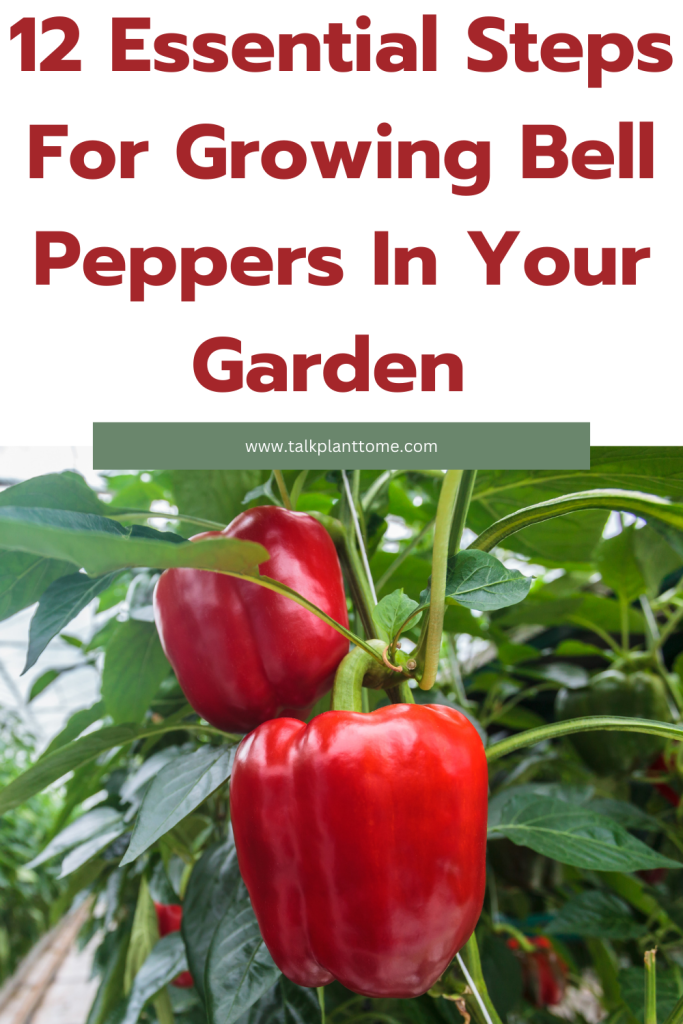
12 Essential Steps For Growing Bell Peppers In Your Garden
How to grow bell peppers:
1. Choose the Right Variety
- Varieties: There are many bell pepper varieties, including green, red, yellow, and orange. Choose varieties that suit your taste and growing conditions.
- The best bell peppers for northern and cold climates are:
- ‘Gypsy’: A hybrid variety that matures quickly and performs well in cooler temperatures.
- ‘Ace’: A reliable and early-maturing variety suitable for cooler climates.
- ‘King of the North’: Known for its ability to produce well in cooler climates and shorter growing seasons.
- For midwest climates:
- ‘California Wonder’: A versatile and widely grown variety that performs well in diverse conditions.
- ‘Yolo Wonder’: An improved version of the California Wonder, known for better disease resistance.
- ‘Early Sunsation’: Produces large, yellow fruits and matures relatively early, making it suitable for variable climates.
- For southern climates:
- ‘Camelot’: Known for its heat tolerance and resistance to common pepper diseases.
- ‘Keystone Giant’: A sturdy and productive variety that handles hot climates well.
- ‘Carolina Wonder’: Bred for heat tolerance and resistance to root-knot nematodes, a common issue in southern soils.
- For humid climates:
- ‘Sweet Banana’: A versatile variety that performs well in humid climates and has good disease resistance.
- ‘Red Knight’: Known for its disease resistance and adaptability to various conditions, including humidity.
- ‘Purple Beauty’: A unique variety with good disease resistance and adaptability to humid climates.
- The best bell peppers for northern and cold climates are:
2. Start with Healthy Seeds or Seedlings
- Seed Starting: If starting from seeds, begin indoors 8-10 weeks before the last expected frost date. Make sure to water very regularly and try using a growing lamp to ensure they are getting enough light to grow into health seedlings.
- Seedlings: Alternatively, buy healthy seedlings from a local nursery to save time and help if you don’t feel confident in the time and effort commitment of starting them from seeds.
3. Planting Location
- Sunlight: Bell peppers need full sun, so choose a location that receives at least 6-8 hours of direct sunlight daily. And don’t plant taller plants around them or the other plants could actually block their light which will hinder their growth.
- Soil: Use well-draining soil rich in organic matter. Ideal soil pH is between 6.0 and 7.0.
4. Soil Preparation
- Amendments: Add compost or well-rotted manure to the soil to enhance fertility and improve structure.
- Mulch: Apply mulch around the plants to retain soil moisture, suppress weeds, and maintain even soil temperature. But not dyed mulch! I recommend only using natural mulch around any edible plants.

5. Transplanting
- Timing: Transplant seedlings outdoors after the danger of frost has passed and soil temperatures are consistently above 60°F (15.5°C). You know your climate better than I do- if you are prone to “surprise” freezes than keep that in mind and be cautious about when you plant the bell peppers in the ground.
- Spacing: Space plants about 18-24 inches apart in rows that are 24-36 inches apart to allow adequate air circulation and room for growth. Bell pepper plants are quite sprawling.
6. Watering
- Consistency: Keep the soil consistently moist but not waterlogged. Bell peppers need at least 1-2 inches of water per week. In general if you plant in the ground you won’t over water them but if you’re planting in a raised bed or containers.
- Method: Water at the base of the plants to avoid wetting the foliage, which can lead to fungal diseases.
7. Fertilizing
- Balanced Fertilizer: Apply a balanced fertilizer (10-10-10) at planting time. Follow up with side-dressing of compost or a balanced fertilizer every 3-4 weeks during the growing season. Don’t over fertilize though, only apply the initial fertilizer until your peppers start actually popping up.
- Avoid Over-Fertilizing: Too much nitrogen can lead to lush foliage but fewer fruits.
8. Supporting Plants
- Stakes or Cages: Use stakes or cages to support the plants and keep the fruit off the ground, which can reduce the risk of disease and pests. Sometimes bell pepper plants really do need a little extra help due to the weight of the peppers they can produce.
9. Pest and Disease Management
- Common Pests: Watch for aphids, cutworms, and pepper weevils. Use insecticidal soap or neem oil as needed.
- Disease Prevention: Rotate crops annually to prevent soil-borne diseases. Ensure good air circulation to minimize fungal issues.
10. Pollination
- Encourage Pollinators: Plant flowers that attract bees and other pollinators near your pepper plants to enhance fruit set. This is a win win for your garden and the bees!
11. Harvesting
- Maturity: Bell peppers can be harvested at different stages of ripeness, depending on your preference. Green peppers are immature but fully edible, while red, yellow, and orange peppers are fully ripe and sweeter.
- Method: Use a sharp knife or scissors to cut the peppers from the plant, leaving a small part of the stem attached to the fruit.
12. Continued Care
- Monitoring: Regularly check your plants for signs of pests, disease, or nutrient deficiencies.
- Pruning: Remove any damaged or diseased leaves and thin out dense foliage to improve air circulation.
Talk Plant To Me
If you enjoyed this article on 12 Essential Steps For Growing Bell Peppers In Your Garden then you probably (hopefully!) will enjoy and find these articles helpful as well:
 | Talk Plant To Me |