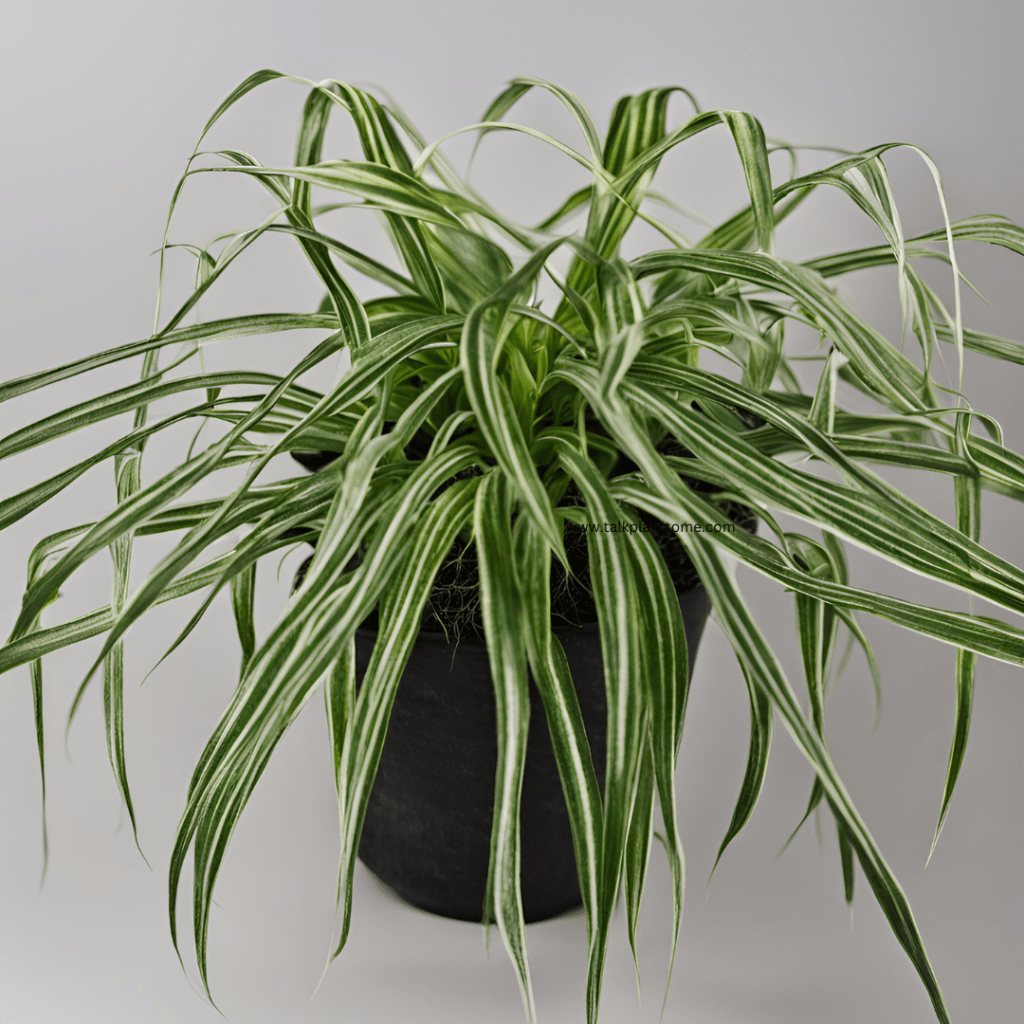
Spider plants (technical name is: Chlorophytum comosum) are a favorite among houseplant enthusiasts, thanks to their attractive arching leaves and ease of care. They actually were one of my first house plants and that one has created 4 additional successful propagations! However, sometimes these beautiful plants can start to look a bit sparse and less vibrant than we’d like. If you’ve ever wondered how to make your spider plant look fuller and lusher, you’re in the right place. A fuller spider plant not only enhances your indoor greenery but also adds a touch of elegance to your space.
In this article, we’ll explore a range of practical tips and tricks to help your spider plant thrive and grow to its fullest potential. From understanding the best lighting conditions and watering practices to effective pruning and propagation techniques, we’ve got you covered. By following these simple steps, you can transform your spider plant into a lush, full-bodied centerpiece that’s sure to impress.
So, grab your gardening tools and get ready to give your spider plant the TLC it deserves. Let’s dive into the essentials for achieving a fuller, more vibrant spider plant that will brighten up any room in your home!
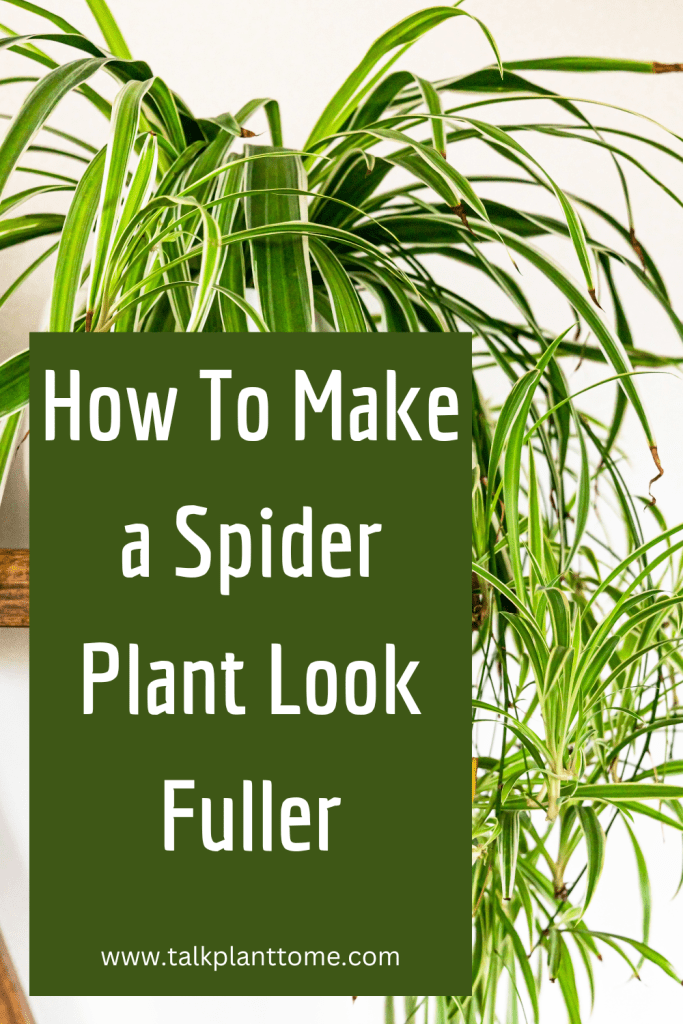
How To Make a Spider Plant Look Fuller
Tips for making spider plants bushier:
Proper Light Conditions
- Bright, Indirect Light: Place your spider plant in a location where it receives bright, indirect light. Avoid direct sunlight, which can scorch the leaves. Make sure to avoid putting your spider plant right in front of a window especially if that window gets full sun light with nothing blocking it.
- Rotate the Plant: Rotate the plant regularly to ensure all sides receive equal light, promoting even growth. If the plant is growing too much on one side then it won’t look full, it will just end up looking lopsided! So don’t skip this if full and luscious is the look you’re going for with your spider plant.
2. Adequate Watering
- Consistent Moisture: Keep the soil consistently moist but not waterlogged. Allow the top inch-ish of soil to dry out between waterings. Stick your finger in the dirt to just above your top knuckle. If the soil is dry then it’s definitely time to water your beautiful spider plant.
- Avoid Overwatering: Overwatering can lead to root rot. Ensure the pot has drainage holes to prevent water from accumulating at the bottom. And terracotta pots are generally better for plants that are prone to root rot in my experience.
3. Fertilize Regularly
- Balanced Fertilizer: Feed your spider plant with a balanced, water-soluble fertilizer every 4-6 weeks during the growing season (spring and summer). But if you aren’t seeing growth regardless of the season be careful still fertilizing because it may actually have too many nutrients!
- Diluted Solution: Use a diluted fertilizer solution to avoid over-fertilizing, which can damage the plant and result in less spider plant baby offshoots in the long run.
4. Prune Regularly
- Trim Dead Leaves: Remove any brown or dead leaves to encourage new growth and maintain a tidy appearance. Dying leaves still use nutrients even though they won’t help produce any fuller looking growth!
- Cut Back Leggy Growth: If the plant becomes leggy, trim back long stems to promote bushier growth. Which ultimately is better for your plant!
5. Repot When Necessary
- Repotting: Repot the plant every 1-2 years to refresh the soil and provide more space for root growth. Choose a pot that is one size larger than the current one.
- Use Well-Draining Soil: Use a well-draining potting mix, such as a combination of peat, perlite, and compost. At the same time make sure that the pot you are using is a well draining material.
6. Encourage Offshoots
- Baby Spider Plants: Spider plants produce offshoots, or “babies,” that can be left on the mother plant to create a fuller appearance.
- Propagate Offshoots: Alternatively, propagate the offshoots by placing them in water or soil until they develop roots. Once rooted, plant them back with the mother plant to increase fullness. You can plant them around but not right next to the original mama because they can suffocate her and steal nutrients if too close. Make sure to use a bigger pot if you have a lot of growth from this!
7. Maintain Humidity
- Humidity Levels: Spider plants thrive in moderate humidity. Increase humidity by misting the leaves regularly or using a humidity tray with water and pebbles.
- Avoid Dry Air: Keep the plant away from drafts, heating vents, and air conditioners, which can dry out the leaves. If you can feel moving air inside your home then it’s best to keep any house plants away from that location.
8. Provide Adequate Space
- Avoid Crowding: Ensure the plant has enough space to spread out its leaves. Crowding can lead to competition for light and nutrients, resulting in less vigorous growth.
9. Check for Pests
- Regular Inspections: Check your plant regularly for pests like spider mites, aphids, and mealybugs. Treat any infestations promptly with insecticidal soap or neem oil. Make sure to check the underside of the leaves because that tends to be where the pests really spread without being caught early.
10. Temperature Control
- Optimal Temperature: Maintain an indoor temperature between 60-75°F (15-24°C). Avoid exposing the plant to temperatures below 50°F (10°C).
By following these tips, you can help your spider plant grow fuller, healthier, and more visually appealing. Happy planting!
Talk Plant To Me
If you enjoyed this article on How To Make a Spider Plant Look Fuller then you probably (hopefully!) will enjoy and find these articles helpful as well:
 | Talk Plant To Me |