
Have you noticed your snake plant looking a bit under the weather lately? Maybe its once sturdy leaves are turning yellow, becoming mushy, or showing signs of neglect. Don’t worry—you’re not alone. Snake plants, known for their resilience and low-maintenance nature, can sometimes encounter issues that leave them looking less than their best.
The good news is that with a little knowledge and some tender loving care, you can nurse your snake plant back to health.
Which is what we are going to chat about today, we’ll walk you through the essential steps to rescue a dying snake plant. From identifying common problems like overwatering and pest infestations to providing the optimal care your plant needs to thrive, we’ve got all the tips and tricks you need. By understanding the specific needs of your snake plant and addressing the underlying issues, you’ll be able to restore it to its former glory.
So, if you’re ready to transform your struggling snake plant into a thriving, vibrant addition to your home, read on. Let’s dive into the practical advice and expert insights that will help you bring your beloved plant back to life. Happy gardening!
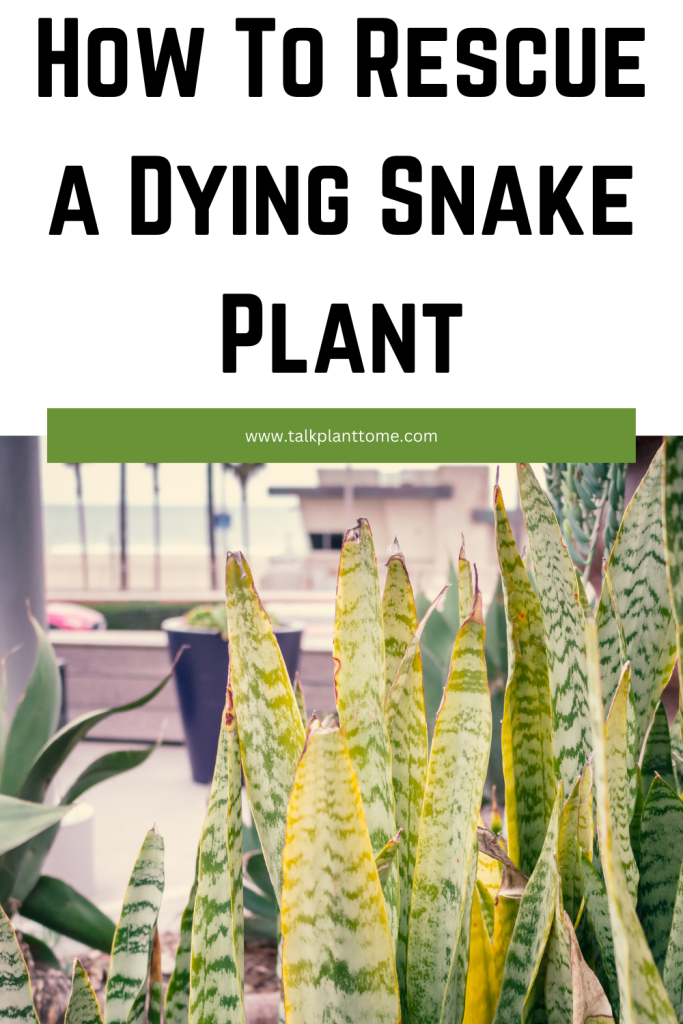
How To Rescue a Dying Snake Plant
Tips for saving your snake plant:
1. Identify the Problem
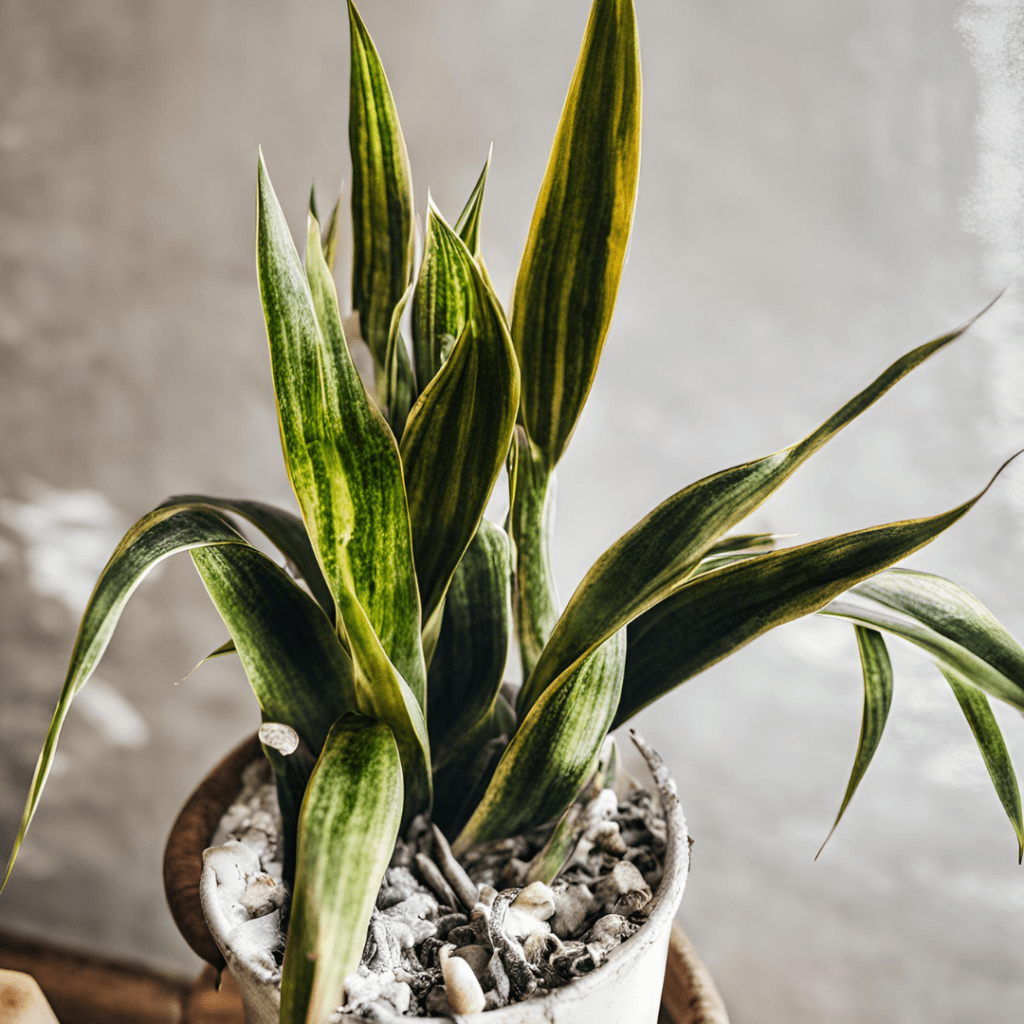
- Overwatering: One of the most common issues. Symptoms include yellowing leaves, soft and mushy roots, and a foul smell from the soil. That smell comes from root rot. If your snake plant is suffering from root rot you need to pull the roots out of the soil and cut off any dark brown and/or mushy roots so the root rot doesn’t spread further.
- Underwatering: Symptoms include wrinkled, dry, and brown-tipped leaves. Thankfully this is an easy issue to solve- just give your snake plants soil a good soaking and within a few days it’ll start to bounce back. Just stay on top of watering it for the next few weeks so it can make a full recovery.
- Insufficient Light: While snake plants tolerate low light, extremely poor lighting can cause slow growth and weak, pale leaves.
- Pest Infestation: Look for signs of pests like spider mites, mealybugs, or scale. These appear as small insects, webbing, or sticky residue on the plant. Check both sides of each lap of the snake plant to make sure you aren’t missing any pests or the damage from them.
- Improper Soil: Poor drainage can lead to root rot. Which we already covered above on how to deal with it. But the root rot will just keep coming back if the soil isn’t draining properly- Snake plants need well-draining soil to survive!
2. Revive Your Snake Plant
- Adjust Watering Practices:
- Overwatered Plants: Remove the plant from its pot and inspect the roots. Cut away any rotten roots with sterilized scissors. Repot the plant in fresh, well-draining soil and a pot with drainage holes. Allow the soil to dry out before watering again.
- Underwatered Plants: Gradually increase watering. Start by thoroughly soaking the soil, then allow it to dry out between waterings.
- Improve Light Conditions: Move the plant to a spot with bright, indirect light. Avoid direct sunlight, which can scorch the leaves.
- Treat for Pests:
- Mild Infestations: Wipe the leaves with a damp cloth or spray with insecticidal soap or neem oil.
- Severe Infestations: Isolate the plant and treat with a stronger pesticide or consider repotting it in fresh soil after thoroughly cleaning the roots and leaves.
- Use Proper Soil: Repot your snake plant in a well-draining soil mix. A cactus or succulent mix works well. Ensure the pot has drainage holes to prevent waterlogging.
3. Provide Optimal Care
- Watering: Water only when the top inch of soil is dry. During winter, reduce watering frequency.
- Light: Place the plant in bright, indirect light. Snake plants can adapt to lower light levels but grow best with some indirect sunlight.
- Temperature and Humidity: Keep the plant in a warm environment (60-85°F or 15-29°C). Snake plants prefer moderate humidity but can tolerate dry indoor air.
- Fertilization: Feed your snake plant with a balanced, diluted houseplant fertilizer during the growing season (spring and summer). Avoid over-fertilizing.
- Pruning: Remove any damaged or dead leaves to encourage new growth. Use clean, sharp scissors to cut the leaves at the base.
- Monitor for Pests: Regularly check for signs of pests and treat promptly to prevent infestations.
4. Long-Term Care Tips
- Repotting: Snake plants don’t need frequent repotting. Repot every 2-3 years or when the plant becomes root-bound.
- Leaf Propagation: If the plant is severely damaged, consider propagating healthy leaves to grow new plants. Cut a healthy leaf into sections and plant them in moist soil or place them in water until roots develop.
By carefully diagnosing the issue and adjusting your care routine, you can revive your snake plant and enjoy its resilient beauty for years to come. Patience and consistent care are key to helping your plant recover and thrive.
Talk Plant to Me
If you enjoyed this article on How To Rescue a Dying Snake Plant then you probably (hopefully!) will enjoy and find these articles helpful as well:
 | Talk Plant To Me |