If you’ve ever found yourself tearing up over a cutting board full of onions, imagine the happy tears you’ll shed when you harvest your own homegrown bounty! Growing onions in your garden is not only incredibly rewarding but also much easier than you might think. Whether you’re a seasoned gardener or just starting to dabble in the dirt, onions are a fantastic crop to add to your garden repertoire.
In this article, I’m going to spill the beans—or should I say, spill the seeds—on how to grow onions effortlessly in your garden. We’ll cover everything from selecting the right variety and prepping your soil to planting, watering, and finally, harvesting those gorgeous bulbs. Trust me, with a little bit of know-how and a sprinkle of humor, you’ll be on your way to onion-growing success in no time.
So, grab your gardening gloves, and let’s get down and dirty! By the end of this guide, you’ll have all the tips and tricks you need to grow onions like a pro. Your kitchen (and taste buds) will thank you for the fresh, flavorful addition to your culinary creations. Let’s get growing!

How To Grow Onions Easily In Your Garden
Tips for easily growing onions:
1. Choose the Right Variety
- Matchmaking for Onions: Pick the right variety based on your region’s day length. Short-day onions for the South, long-day onions for the North, and intermediate-day for those lucky enough to live in the middle. It’s like picking the right Netflix show for your mood—super important!
2. Start with Quality Sets or Seeds
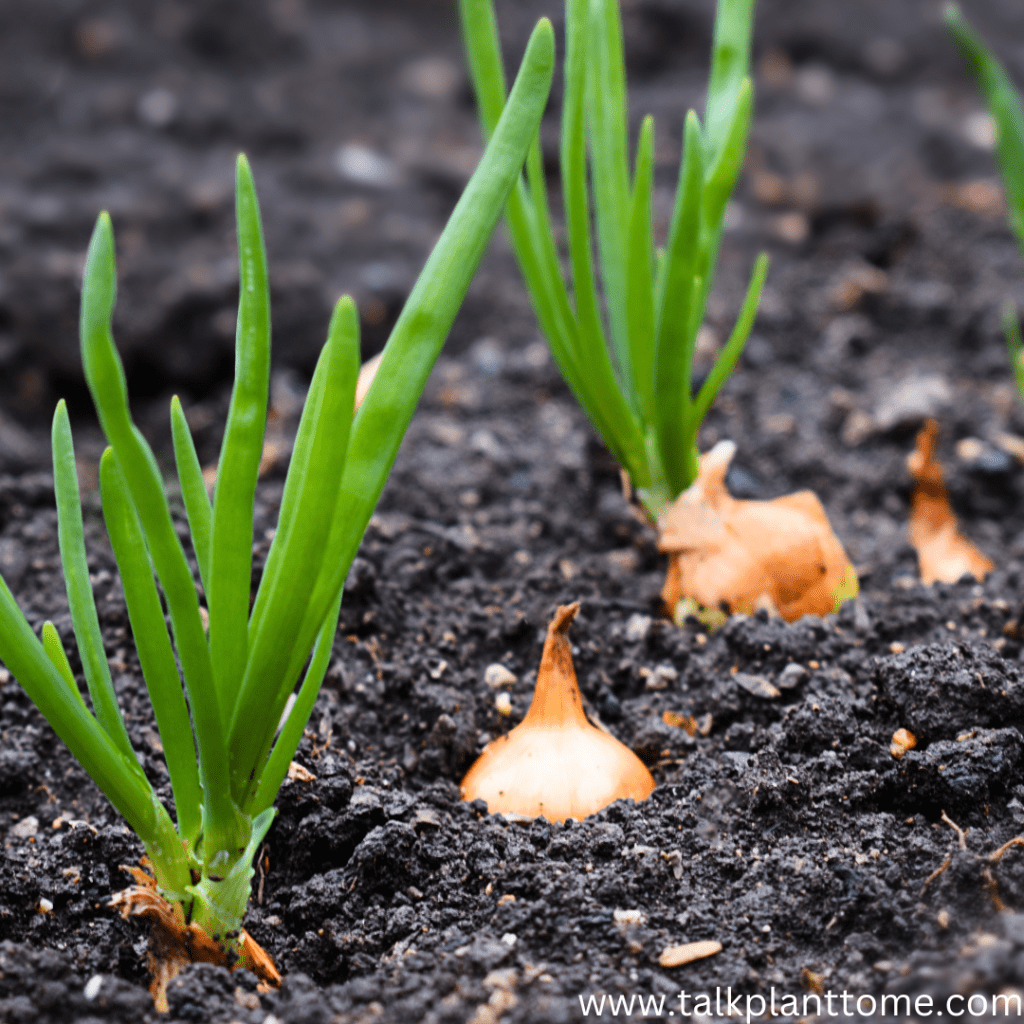
- Onion Sets: Perfect for beginners (and those of us who can barely keep a cactus alive). Sets are small, immature onions ready to rock and roll in your garden.
- Seeds and Transplants: Seeds are great if you like to start from scratch—begin them indoors about 8-10 weeks before the last frost. Transplants are the Goldilocks option—not too basic, not too advanced, just right!
3. Prepare the Soil
- Fluffy Soil: Onions love loose, well-drained soil. Think fluffy, like cake batter! Amend heavy clay with compost or sand to get that perfect texture.
- pH Balance: Aim for a soil pH of 6.0-7.0. Time to break out that soil test kit—science class is back in session!
4. Plant at the Right Time
- Timing is Everything: Plant those bad boys in early spring as soon as the soil is workable. Onions need a long growing season and cool weather to start.
- Spacing is Key: Space them out 4-6 inches apart in rows 12-18 inches apart. They need their personal space, just like you on a Monday morning.
5. Water Wisely
- Goldilocks Watering: Onions need consistent moisture, especially during bulb formation. Aim to provide about 1 inch of water per week—just enough, not too much.
- Avoid Overwatering: Too much water can cause the bulbs to rot. Make sure your garden has good drainage to prevent waterlogged soil. Nobody likes soggy feet!
6. Mulch and Weed Regularly
- Mulch Magic: Apply a layer of mulch, such as straw or shredded leaves, around your onions to retain moisture, regulate soil temperature, and suppress weeds. It’s like a cozy blanket for your plants.
- Weed Whacking: Keep the onion bed weed-free as onions don’t compete well with weeds for nutrients and water. They’re divas that way!
7. Feed Your Onions
- Fertilize Like a Pro: Onions are heavy feeders. Apply a balanced fertilizer (10-10-10) at planting time and side-dress with nitrogen-rich fertilizer every few weeks until the bulbs start forming.
- Go Organic: If you prefer organic gardening, use compost, well-rotted manure, or fish emulsion. It’s like a gourmet meal for your plants!
8. Monitor for Pests and Diseases
- Pest Patrol: Watch for onion maggots, thrips, and other pests. Use appropriate organic or chemical controls if necessary. Nobody likes uninvited guests!
- Disease Defense: Keep an eye out for fungal diseases such as downy mildew and neck rot. Proper spacing, watering at the base, and crop rotation can help prevent these issues. Think of it as preventive healthcare for your plants.
9. Harvest and Cure Properly
- Perfect Timing: Onions are ready to harvest when the tops begin to yellow and fall over. Pull them out gently and leave them to dry on the soil surface for a few days if the weather is dry.
- Curing for Longevity: Cure onions by placing them in a warm, dry, well-ventilated area for 2-3 weeks. This helps them store longer. After curing, cut off the tops and roots and store the bulbs in a cool, dry place. It’s like giving them a spa treatment before they go into storage!
By following these tips, you’ll be well on your way to growing a bountiful onion harvest right in your backyard. Happy gardening, and enjoy the fresh, homegrown flavors that only onions can bring to your kitchen!
Talk plant to me
If you enjoyed this article on How To Grow Onions Easily In Your Garden then you probably (hopefully!) will enjoy and find these articles helpful as well:
 | Talk Plant To Me |