So, you’ve got yourself a jade plant too, congrats! These wonderful plants are basically like the houseplant world’s equivalent of a low-maintenance best friend. They’re resilient, stunning and bring a touch of luck and prosperity to your home according to many traditions around the world 🙂
But just like any friendship, a little care goes a long way. I’m here to guide you through the ins and outs of keeping your jade plant happy and healthy.
So today we are going to chat about all the secrets to jade plant care, from finding the perfect sunny spot to avoiding the dreaded overwatering disaster (if you are new around here I’ll let you in on something- root rot and me are personal enemies!).
Trust me, I’ve made all the rookie mistakes so you don’t have to! We’ll also delve into how to keep those pesky pests at bay and even how to propagate your plants because what’s better than one jade plant? Two jade plants, of course!
Whether you’re a seasoned plant parent or just starting your plant journey, these tips will ensure your jade plant thrives and becomes the glossy, green star of your indoor jungle. So, grab your watering can (but not too often!) and let’s dive into the world of jade plant care. Your leafy friend will be living its best life in no time!
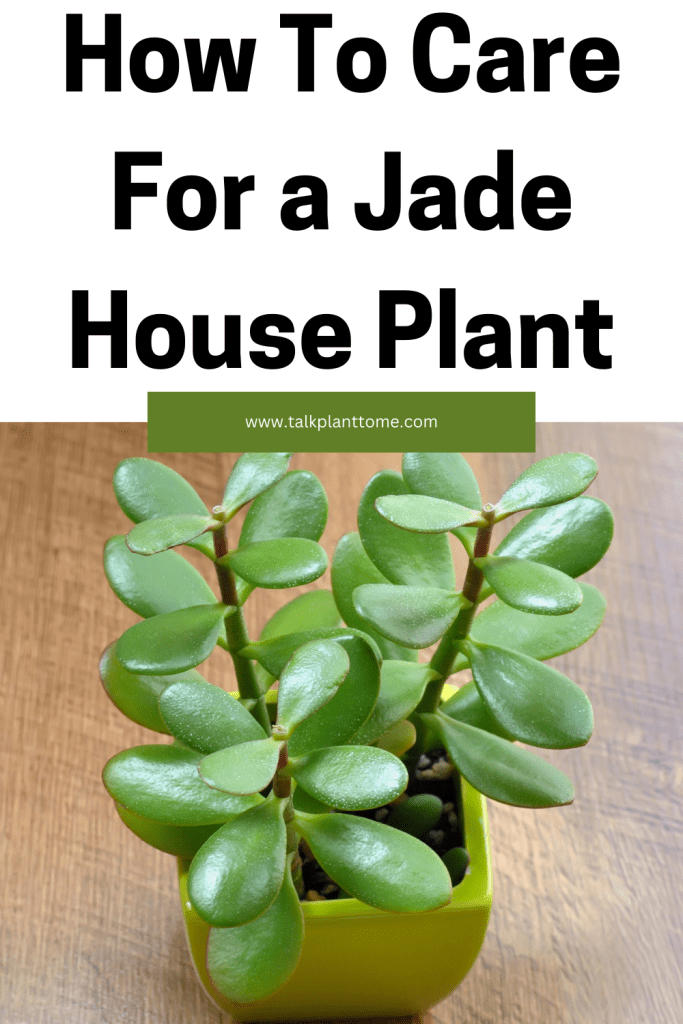
How To Care For a Jade House Plant
Tips for growing a jade plant:
1. Light Requirements
Jade plants love plenty of bright, indirect sunlight guys!
Place your jade plant near a south-facing window where it can receive at least 4-6 hours of sunlight daily. If direct sunlight is too intense, a sheer curtain can help diffuse the light. Rotating the plant occasionally will ensure even growth and prevent it from leaning towards the light.
2. Watering
Proper watering is crucial to prevent root rot.
Allow the soil to dry out completely between waterings. Stick your finger about an inch into the soil; if it’s dry, it’s time to water. Water thoroughly until it drains out of the bottom, then empty the saucer to avoid standing water. In winter, reduce watering frequency as the plant’s growth slows down.
3. Soil and Potting
Well-draining soil is essential for jade plants. They won’t be able to handle a soil mix that is too stuck and stagnant.
Use a cactus or succulent potting mix, or make your own by mixing regular potting soil with sand or perlite. Ensure the pot has drainage holes to allow excess water to escape. Repot every 2-3 years to refresh the soil and give the roots more space.
4. Temperature and Humidity
Jade plants prefer a warm, dry environment.
Keep your jade plant in temperatures between 65-75°F (18-24°C) during the day and slightly cooler at night. Avoid placing it near drafty windows or doors, and keep it away from heaters or air conditioners. Jade plants tolerate low humidity but avoid overly humid areas like bathrooms.
5. Fertilizing
Feed your jade plant sparingly, if you get a heavy hand it can be too many nutrients for your jade plant to handle.
Use a balanced, water-soluble fertilizer diluted to half strength. Fertilize once every 3-4 months during the growing season (spring and summer). Avoid fertilizing in fall and winter when the plant is dormant.
6. Pruning and Shaping
Pruning helps maintain the shape and encourage branching.
Use clean, sharp scissors or pruning shears to remove any leggy growth or damaged leaves. Prune just above a leaf node to encourage new branches. Regular pruning keeps the plant compact and enhances its appearance.
7. Pest Control
Jade plants are generally pest-resistant but can occasionally attract pests. Specifically my personal enemy- gnats.
Inspect your plant regularly for signs of pests like mealybugs or spider mites. If you spot any, treat the plant with insecticidal soap or a mixture of water and rubbing alcohol. Wipe the leaves gently with a damp cloth to remove pests and keep the plant clean.
8. Propagation
Jade plants are easy to propagate from cuttings so you can grow as many jade plants as you want to. Here’s how to easily propagate a jade plant-
Take a healthy leaf or stem cutting and let it dry for a few days to form a callus. Plant the cutting in a well-draining soil mix, and water sparingly until roots develop. Place the new plant in a bright location and treat it with the same care as a mature jade plant.
9. Common Problems and Solutions
Address common issues to keep your jade plant healthy – let’s chat about what a few of those look like:
- Yellow leaves- Yellowing leaves can indicate overwatering, so adjust your watering schedule.
- Wrinkled leaves – Wrinkled leaves might mean the plant needs more water. If the plant becomes leggy, it likely needs more light. Adjusting light exposure and watering habits can resolve these common problems.
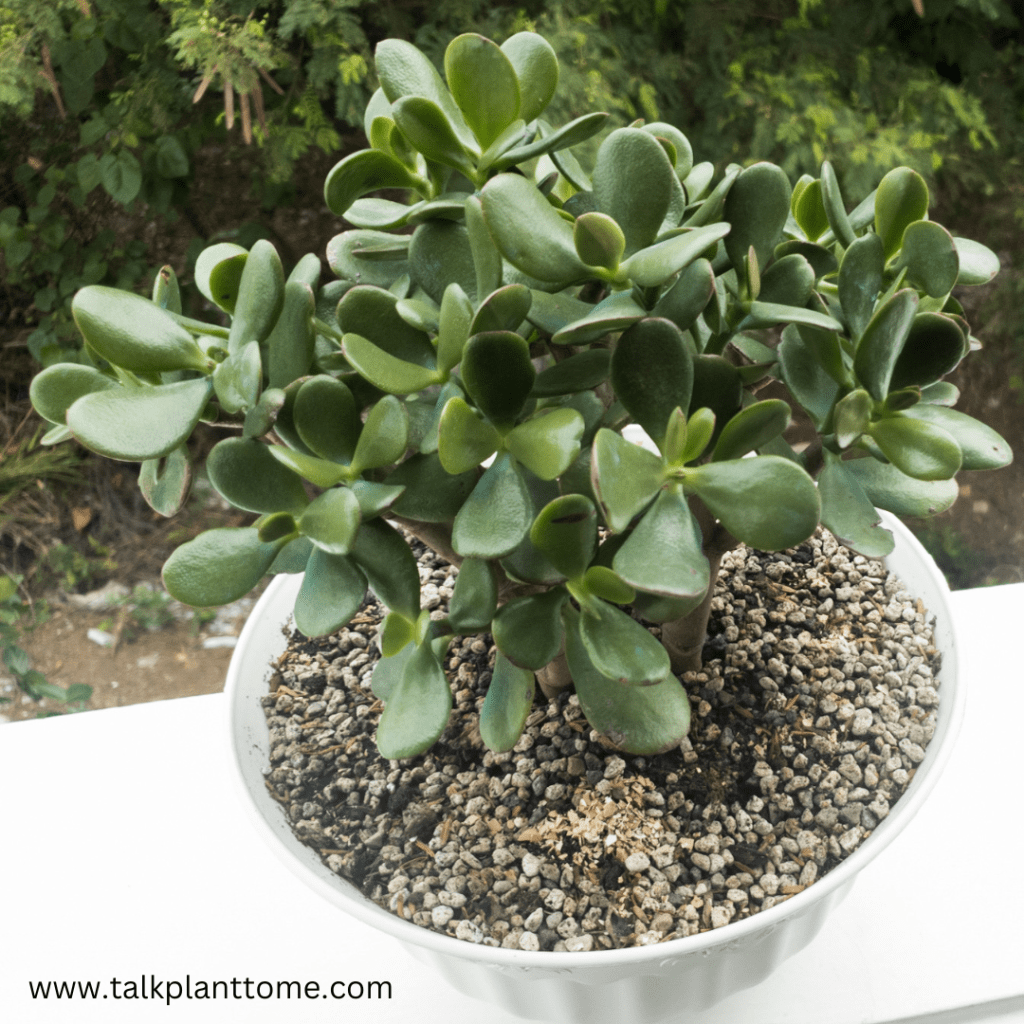
With these tips, your jade plant will thrive and bring a touch of natural beauty to your home. Happy planting my friends!
Talk Plant To Me
If you enjoyed this article on How To Care For a Jade House Plant then you probably (hopefully!) will enjoy and find these articles helpful as well:
 | Talk Plant To Me |