If you’re looking to add a splash of color and a bit of tropical flair to your indoor jungle, croton plants might just be the perfect fit. With their bold, multi-colored leaves in shades of red, yellow, orange, and green, these plants are nothing short of eye-catching. But as striking as they are, crotons can be a bit temperamental if their needs aren’t met. Don’t worry, though! With the right care and a little know-how, you can keep these vibrant beauties thriving in your home.
So today, we’ll dive into everything you need to know about growing croton plants. From finding the perfect light conditions to mastering the delicate balance of watering, I’ll cover the essentials to help you keep your croton looking its best. We’ll also touch on common challenges like leaf drop and how to deal with pesky pests.
Whether you’re a seasoned plant parent or new to the world of houseplants, this guide will help you feel confident about caring for your croton. Let’s get into it!
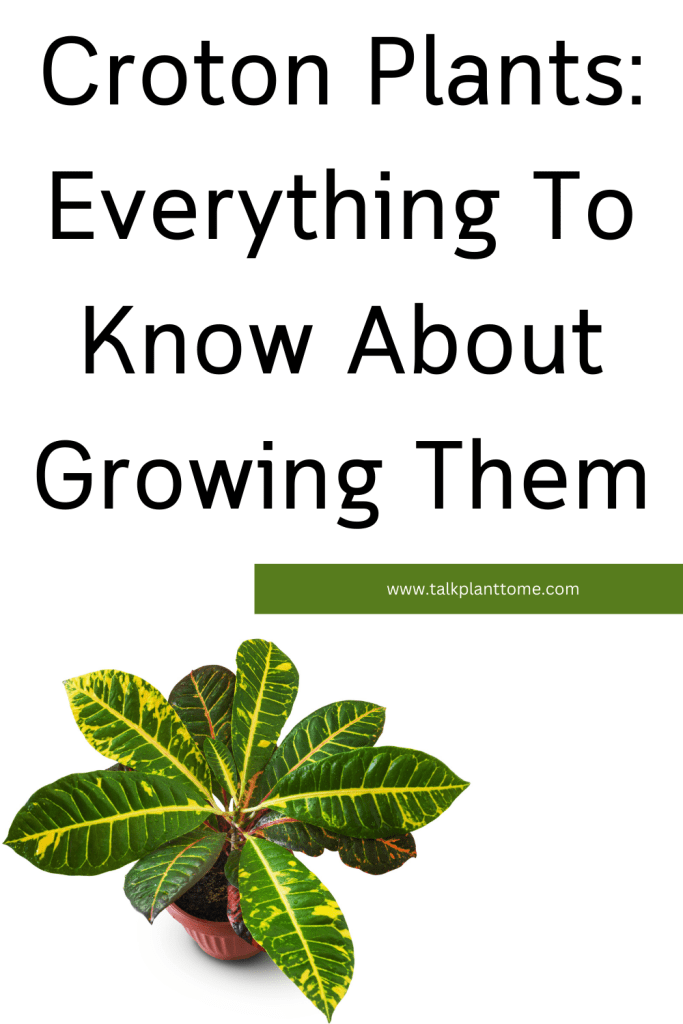
Croton Plants: Everything To Know About Growing Them
Guide to growing crotons:
Types of Croton Plants
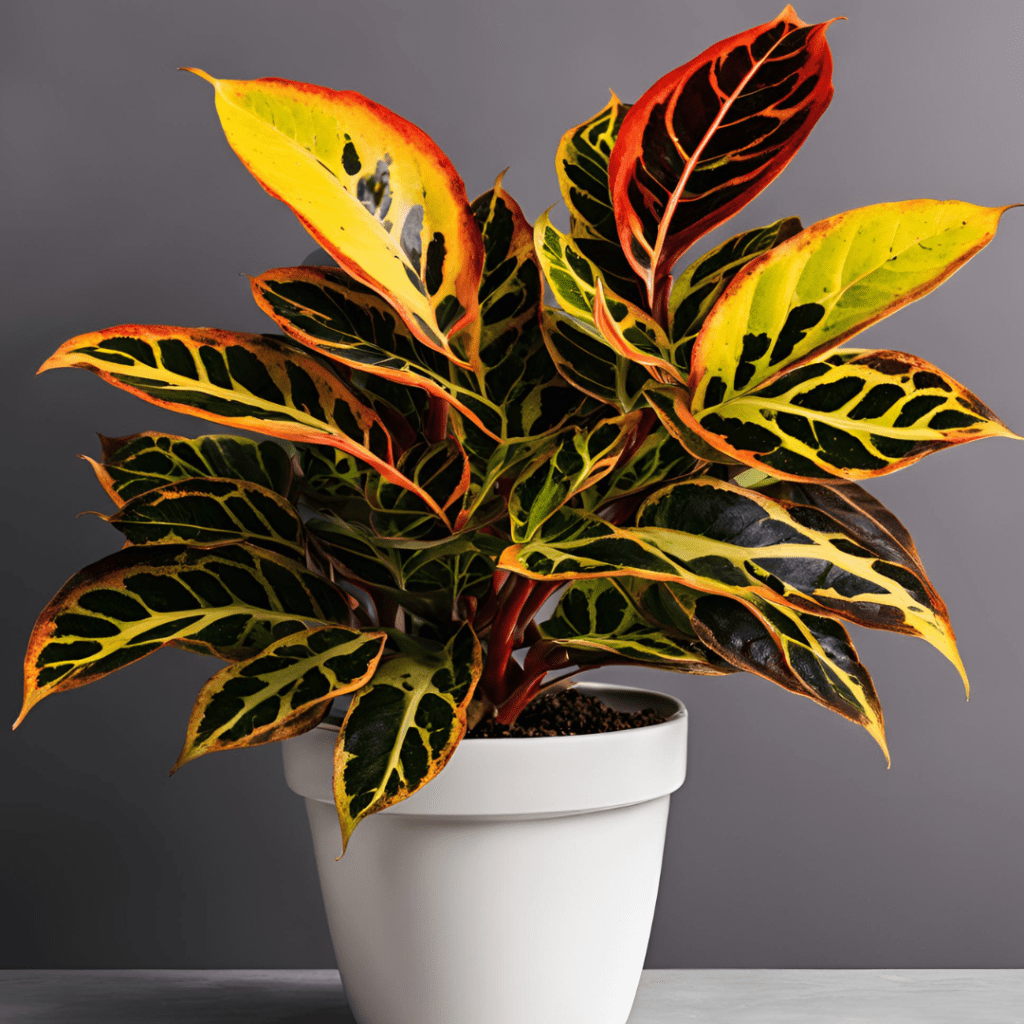
There are many varieties of croton plants, each with unique leaf shapes and colors. Some popular varieties include Petra, which has broad leaves with yellow, red, and green hues; Gold Dust, which features speckled leaves that look like they’ve been splattered with paint; and Mammy, known for its twisted, narrow leaves that come in vibrant shades of red, yellow, and orange.
Choosing the right variety for your space can add even more personality to your plant collection.
Light Requirements
Crotons thrive in bright, indirect light. The more light they receive, the more vibrant their colors will be. While they can tolerate some direct sunlight, too much can scorch their leaves, so it’s best to find a spot with plenty of filtered light. If your croton isn’t getting enough light, its leaves might lose their vibrant colors and become more green.
Watering
Crotons like their soil to be consistently moist, but not waterlogged. Water your plant when the top inch of soil feels dry to the touch. Keep in mind that crotons are sensitive to changes in moisture levels—if you let the soil dry out too much, the plant may drop its leaves as a stress response. On the flip side, too much water can lead to root rot, so it’s all about finding that sweet spot. A well-draining potting mix and a pot with drainage holes are key to keeping your croton happy.
Humidity and Temperature
Crotons are tropical plants, so they love warm temperatures and high humidity. Ideally, keep them in temperatures between 60-85°F (15-29°C) and avoid exposing them to drafts or sudden temperature changes.
If your indoor environment is dry, you can boost humidity around your croton by misting it regularly, using a humidity tray, or placing it near a humidifier.
Soil and Fertilization
Crotons prefer well-draining soil rich in organic matter. A high-quality potting mix with added perlite or sand works well. During the growing season (spring and summer), feed your croton with a balanced, water-soluble fertilizer every 4-6 weeks. This will help support the plant’s growth and keep its foliage vibrant.
Pruning and Propagation
Pruning is mainly done to control the shape and size of your croton. You can also remove any leggy growth or dead leaves to keep the plant looking neat. If you’re interested in propagating your croton, it’s easy to do through stem cuttings. Simply take a cutting with at least three leaves, let it dry for a few hours, and then plant it in moist soil. Keep the cutting in a warm, humid environment until it develops roots.
Acclimating Your Croton
Crotons are sensitive plants that can react dramatically to changes in their environment. If you recently bought a croton or are moving it to a new spot, it’s normal for the plant to drop a few leaves while adjusting. Gradually introduce your croton to its new environment to reduce shock. For example, if moving it to a brighter location, do so incrementally to avoid sudden exposure to intense light.
Pot Size and Repotting
Crotons don’t need frequent repotting, but if you notice that the roots are circling the bottom of the pot or growing out of the drainage holes, it might be time for an upgrade. When repotting, choose a pot that is one size larger than the current one. Repotting is best done in spring, when the plant is actively growing. Fresh soil not only provides better drainage but also gives the plant a nutrient boost.
Seasonal Care and Dormancy
Crotons have a natural growth pattern that slows down during the fall and winter months. During this time, you can reduce watering and pause fertilization, as the plant isn’t using as much energy. Be mindful not to overwater during this dormant period since the plant is less likely to absorb excess moisture.
Toxicity Warning
It’s important to note that crotons are toxic to pets and humans if ingested. The plant’s sap can also cause skin irritation for some people, so it’s best to wear gloves when handling or pruning your croton. If you have pets or small children, consider placing the plant in a location that’s out of reach.
Troubleshooting Common Problems
- Yellow Leaves: Typically caused by overwatering or insufficient light. Adjust your care routine accordingly and make sure the plant is getting enough indirect sunlight.
- Leaf Drop: Often due to sudden changes in temperature, drafts, or stress from being moved. Try to maintain stable conditions and avoid relocating the plant too often.
- Pest Infestations: Crotons are susceptible to spider mites, scale, and mealybugs. Regularly inspect your plant and use neem oil or insecticidal soap to treat any infestations.
Talk Plant To Me
If you enjoyed this article on Croton Plants: Everything To Know About Growing Them then you probably (hopefully!) will enjoy and find these articles helpful as well:
 | Talk Plant To Me |