Monstera plants, particularly the Monstera deliciosa, have taken the indoor plant world by storm. With their large, glossy, fenestrated leaves, these plants bring a tropical vibe to any space, making them a favorite among both novice and experienced plant parents.
However, along with their popularity comes a fair share of care myths that can lead to confusion and, in some cases, poor plant health. In this post, we’re debunking some of the most common misconceptions about Monstera care, so you can keep your green friend thriving.
Monstera Myths: Debunking What We Think About Monstera Plants
Fact VS fiction on monstera plants:
Myth 1: Monstera Plants Need Direct Sunlight
One of the most widespread myths about Monstera care is that they need direct sunlight to thrive. While it’s true that Monstera plants love bright, indirect light, placing them in direct sunlight can actually do more harm than good. In their natural habitat, Monsteras grow under the canopy of tropical rainforests, where they receive filtered sunlight. This means they are adapted to environments where light is abundant but indirect.
When exposed to direct sunlight, especially through a window, the leaves of your Monstera can easily get scorched, leading to unsightly brown spots or even causing the leaves to turn yellow and die off. Instead, place your Monstera near a window where it can enjoy plenty of bright, indirect light. East-facing windows are ideal because they provide morning sunlight, which is less intense.
If you only have south or west-facing windows, consider placing your plant a few feet away from the window or using sheer curtains to diffuse the light.
Myth 2: Monsteras Need Frequent Watering
Another common misconception is that Monstera plants need to be watered frequently. Overwatering is one of the most common mistakes made by plant owners and can lead to root rot, which is often fatal for Monsteras. In their natural environment, these plants are used to periods of rain followed by drier spells, so their roots are adapted to tolerate some dryness.
The key to watering your Monstera is to allow the top 1-2 inches of soil to dry out completely before watering again. During the growing season (spring and summer), you might find that your Monstera needs watering about once a week, but this can vary depending on factors like the size of your plant, the type of pot it’s in, and the humidity levels in your home. In the fall and winter, when the plant’s growth slows down, you can reduce the watering frequency to every two to three weeks. Always check the soil moisture before watering to avoid drowning your plant.
Myth 3: Monsteras Shouldn’t Be Pruned
Some people believe that pruning a Monstera plant is unnecessary or even harmful, but this couldn’t be further from the truth. Pruning is actually an important part of Monstera care, as it helps the plant maintain a healthy shape and encourages new growth. Monsteras can grow quite large, and without regular pruning, they can become unwieldy, with long, leggy stems and sparse foliage.
To prune your Monstera, use clean, sharp scissors or pruning shears to cut back any leggy stems, damaged leaves, or aerial roots that are getting out of control. Pruning can also help promote the development of larger, more fenestrated leaves, which are the hallmark of a mature Monstera deliciosa. Plus, if you’re interested in propagating your Monstera, pruning gives you the perfect opportunity to take cuttings.
Myth 4: Monsteras Don’t Need Fertilizer
Some plant owners assume that since Monsteras are relatively low-maintenance, they don’t need to be fertilized.
While it’s true that Monsteras aren’t as demanding as some other houseplants, they still benefit from regular feeding, especially during the growing season. Fertilizer provides essential nutrients that can help your Monstera produce lush, vibrant foliage and grow more robustly.
During the spring and summer, feed your Monstera every 4-6 weeks with a balanced, water-soluble fertilizer. A balanced fertilizer contains equal parts nitrogen, phosphorus, and potassium (look for a 10-10-10 or 20-20-20 ratio on the label). Be sure to dilute the fertilizer to half-strength to avoid overfeeding, which can lead to burnt roots and leaf damage. In the fall and winter, when your Monstera’s growth slows down, you can pause fertilizing until the growing season starts again.
Myth 5: Monsteras Can’t Handle Low Humidity
Given that Monstera plants are native to tropical rainforests, many people believe they require high humidity levels to thrive. While Monsteras do prefer humid environments, they are surprisingly adaptable and can tolerate the lower humidity levels found in most homes. That being said, if the air in your home is particularly dry, especially in the winter, your Monstera might benefit from a little extra humidity.
There are a few easy ways to increase humidity around your plant. You can mist the leaves with water every few days, place a humidifier nearby, or use a pebble tray filled with water under the pot. If your Monstera’s leaves start developing brown, crispy edges, this could be a sign that the air is too dry, so consider upping the humidity.
Myth 6: Monsteras Only Grow in Soil
While most people grow their Monstera plants in soil, it’s a myth that soil is the only medium they can thrive in. In fact, Monsteras can also be grown in water or even in a semi-hydroponic setup using materials like LECA (lightweight expanded clay aggregate). Growing a Monstera in water can be a fun experiment and a great way to propagate new plants.
If you’re growing your Monstera in water, make sure to change the water every 1-2 weeks to keep it fresh and free from bacteria. You’ll also want to use a liquid fertilizer formulated for water-grown plants, as they won’t have access to the nutrients that soil provides. Keep in mind that Monsteras grown in water tend to grow more slowly than those in soil, but they can still thrive with proper care.
Myth 7: Monsteras Are Toxic to Touch
It’s true that Monstera plants contain calcium oxalate crystals, which can be toxic if ingested by pets or humans. However, this doesn’t mean that Monsteras are dangerous to touch.
The sap can cause mild skin irritation in some people, especially if you have sensitive skin, but it’s not harmful as long as you wash your hands after handling the plant. If you’re concerned about the sap, wearing gloves while pruning or propagating your Monstera is a good precaution.
Myth 8: You Can’t Grow Monsteras in Small Spaces
Monsteras are known for their large, impressive leaves and can grow quite big over time, which might lead some people to believe they’re not suitable for small spaces. However, with the right care and pruning, Monsteras can be grown in smaller spaces without taking over your home. Regular pruning and strategic placement can keep your Monstera at a manageable size, and younger plants or smaller varieties like Monstera adansonii are perfect for more compact living spaces.
Myth 9: Monsteras Are High Maintenance
Finally, one of the biggest myths is that Monsteras are high-maintenance plants. While they do have specific care needs, Monsteras are actually quite forgiving and resilient, making them a great choice for both beginner and experienced plant parents.
As long as you provide the right amount of light, water, and occasional feeding, your Monstera will reward you with beautiful, lush growth. They can tolerate a range of conditions and will often bounce back from minor mistakes, making them one of the more low-maintenance tropical plants you can own.
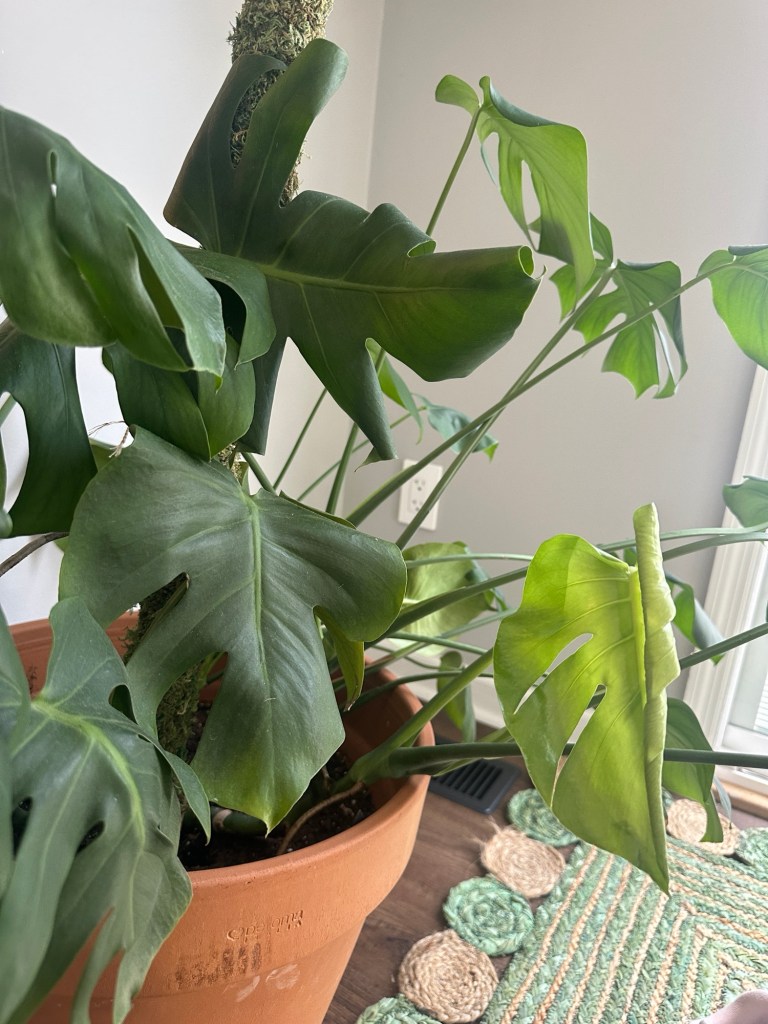
So let’s wrap it up-
Monsteras are not only beautiful and iconic houseplants, but they’re also fairly easy to care for once you separate fact from fiction. By understanding the true needs of your Monstera and avoiding common care myths, you can enjoy a thriving, vibrant plant that adds a touch of the tropics to your home. Remember, every plant is unique, so it’s important to observe your Monstera and adjust your care routine based on its specific needs.
Happy growing!
Talk Plant To Me
If you enjoyed this article about Monstera Myths: Debunking What We Think About Monstera Plants then you probably (hopefully!) will enjoy and find these articles helpful as well:
 | Talk Plant To Me |
One thought on “Monstera Myths: Debunking What We Think About Monstera Plants”