Choosing the right pot for your indoor plants is more important than you might think! Sure, it’s fun to pick a pot that looks great in your space, but the size, material, and drainage of your pot play a huge role in keeping your plants happy and healthy. The wrong pot can lead to common plant issues like root rot, poor growth, or even stunted plants.
So, before you grab that cute ceramic pot just because it matches your decor, there are a few key things to consider.
In this guide, I’ll walk you through everything you need to know about choosing the perfect pot for your indoor plants. From selecting the right size to understanding different materials like terracotta, plastic, and ceramic, you’ll have all the tips you need to make the best choice for both your plants and your home decor.
Let’s dive into how to give your plant babies the right home to thrive!
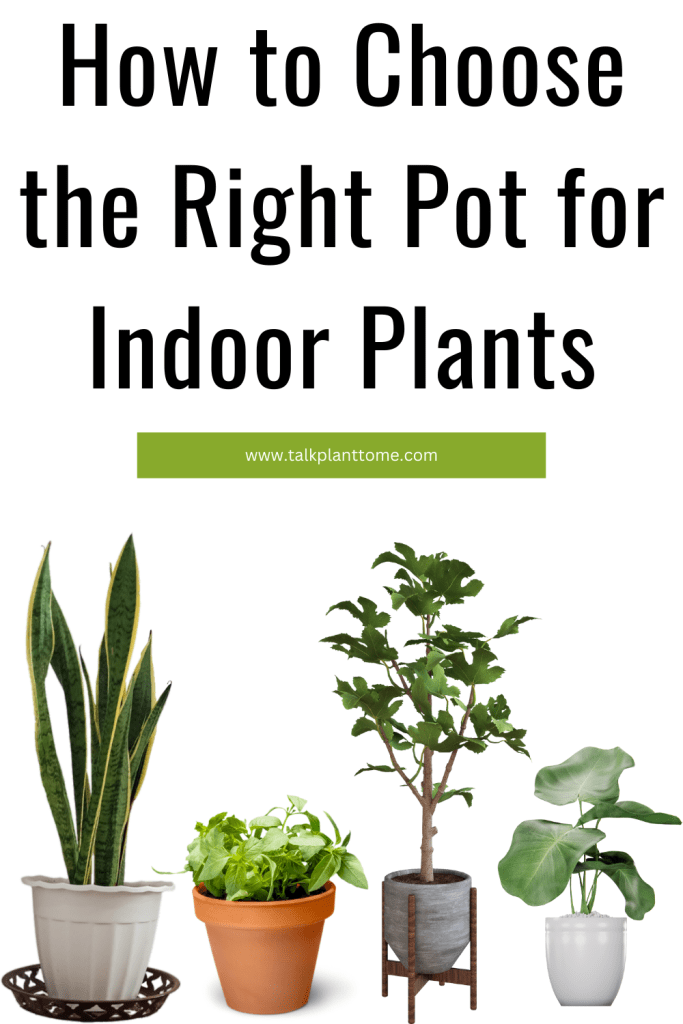
How to Choose the Right Pot for Indoor Plants
Tips for choosing a plant pot that they will thrive in:
1. Size Matters: Picking the Correct Pot Size
One of the most important aspects of choosing a pot is getting the right size for your plant. A pot that’s too small can restrict your plant’s root growth, leading to root-bound issues. Conversely, a pot that’s too large can cause the soil to retain excess moisture, leading to root rot.
How to Choose the Right Pot Size:
- For Small or Young Plants: When starting with young or small plants, choose a pot that is 1-2 inches larger in diameter than the root ball. This gives the roots enough room to grow without overwhelming them with too much soil. For example, if your plant’s root ball is 4 inches wide, opt for a pot that is 5-6 inches in diameter.
- For Larger or Mature Plants: If you are repotting a mature plant, select a pot that is about 2-4 inches larger in diameter than the current pot. A general rule is to repot every 1-2 years, depending on the plant’s growth rate. This allows the roots to continue growing without being cramped.
- Avoid Overpotting: While it may be tempting to place your plant in a much larger pot to avoid frequent repotting, this can lead to overwatering and root rot. Excess soil retains more moisture, which can suffocate the roots. Stick to gradual pot size increases to give your plant the best chance at healthy growth.

2. Material Matters: What’s the Pot Made Of?
The material of the pot plays a crucial role in how much water and air your plant’s roots receive. Different materials have varying effects on moisture retention, weight, and durability.
Common Pot Materials and their benefits/ cons:
- Terracotta (Clay Pots): Terracotta is a classic choice for indoor plants and is loved for its porous nature. These pots allow air and moisture to move through the walls, helping the soil dry out faster, which is ideal for plants that prefer dry conditions, like succulents or cacti. The downside is that terracotta can dry out too quickly in warm environments, requiring more frequent watering. It’s also prone to cracking in cold temperatures if left outdoors.
- Ceramic (Glazed Pots): Ceramic pots, especially glazed ones, are great for retaining moisture. The glaze prevents water from escaping through the walls, keeping the soil moist for longer periods. These pots are ideal for plants that need consistent moisture, such as ferns or peace lilies. They come in various colors and designs, making them a popular choice for decor. However, ceramic pots are heavier and can be prone to breaking if dropped.
- Plastic Pots: Plastic pots are lightweight, durable, and budget-friendly. They don’t absorb water, which means the soil stays moist longer—great for plants that like a lot of moisture. Plastic pots come in a wide range of sizes and colors, making them versatile for any style. The downside is that they aren’t as breathable as terracotta or ceramic, so they may not be the best choice for plants that require well-drained soil.
- Metal Pots: Metal pots are durable and can add a modern, industrial look to your space. However, they can heat up quickly in direct sunlight, which may harm your plant’s roots. They also tend to retain moisture, so they’re best used with plants that like to stay hydrated. It’s important to check for rust if the pot is untreated, as rust can harm your plant.
- Wooden Pots: Wooden pots are less common but can offer a rustic, natural look for your indoor plants. They provide good insulation for roots and are fairly durable. However, wood can rot over time if exposed to constant moisture, so ensure the pot has proper drainage, and consider using a plastic liner inside the wooden pot.
3. Drainage: The Key to Healthy Roots
Proper drainage is critical for plant health, no matter what kind of pot you choose. Plants that sit in waterlogged soil are at risk of root rot, a common issue that can quickly kill even the healthiest plant.
Why Drainage Holes Matter:
- Prevents Water Buildup: Drainage holes allow excess water to escape, preventing it from sitting at the bottom of the pot. This is essential for nearly all house plants, as very few can tolerate soggy roots.
- Promotes Airflow: Drainage holes also promote airflow to the plant’s roots, ensuring they get enough oxygen to stay healthy.
If you have your heart set on a pot that doesn’t have drainage holes (like many decorative or ceramic pots), consider using a cachepot system. This means placing your plant in a plastic or terracotta pot with drainage holes and then placing that pot inside the decorative one. Just be sure to remove the inner pot when watering so excess water can drain out properly.

4. Aesthetic and Functionality: Blending Style with Plant Needs
While the health of your plant should be your top priority, there’s no reason you can’t also choose a pot that complements your home decor. Pots come in all shapes, sizes, colors, and textures, allowing you to get creative with your plant displays.
Matching Your Pot to Your Style:
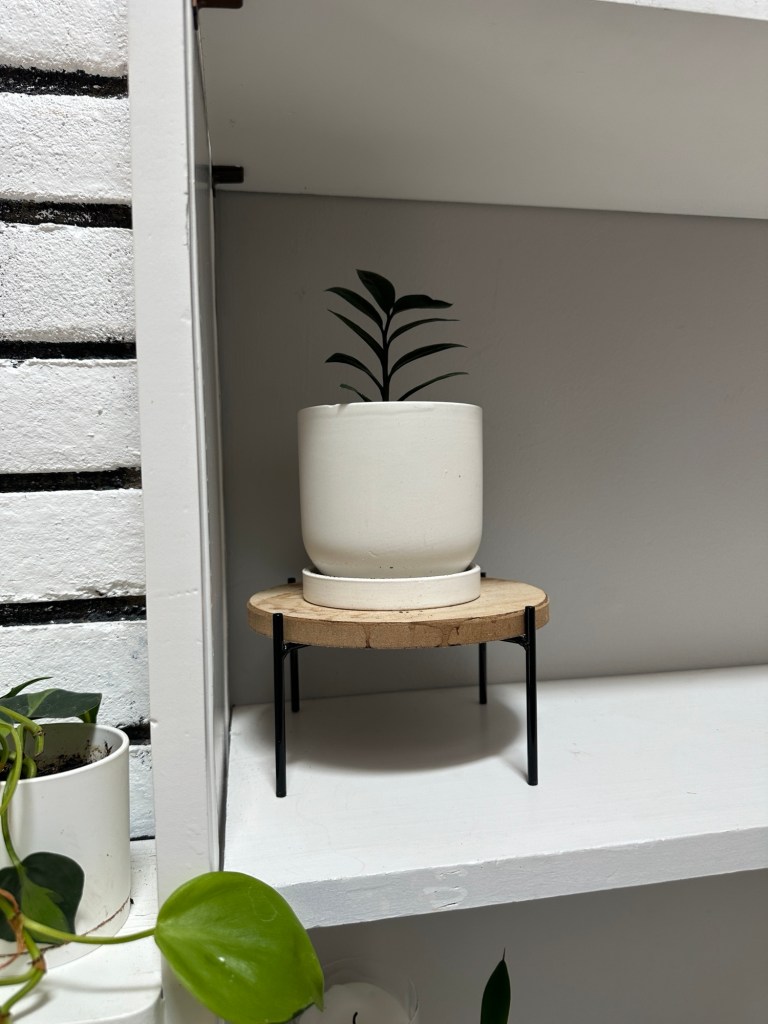
- Modern and Minimalist: If your home has a sleek, modern aesthetic, opt for clean, neutral-colored pots in materials like concrete or matte ceramic. Simple, geometric shapes can enhance the minimalist look.
- Bohemian and Eclectic: For a boho vibe, choose terracotta or brightly colored ceramic pots. Consider adding hanging macrame planters or woven baskets for texture and interest.
- Rustic and Cozy: Wooden or rustic terracotta pots fit perfectly into a cozy, farmhouse-style home. Pair with earthy tones and natural materials like jute or burlap for a warm, inviting feel.
- Industrial and Urban: Metal or concrete pots work well in industrial spaces. Choose metallic tones like copper, brass, or brushed steel to create a modern, urban garden vibe.
5. Weight and Mobility: Consider the Practicalities + Realities
Before choosing a pot, think about how heavy it will be once filled with soil and a plant. Large, ceramic, or terracotta pots can be quite heavy, especially with bigger plants, making them harder to move when needed.
Consider the Following:
- Mobility: If you plan to move your plant often, opt for lighter materials like plastic or composite resin pots. These materials are durable but much easier to move around. Does your plant need rotated a lot? Or moved around seasonally? That’s so important to keep in mind when selecting a pot.
- Support: Larger plants or top-heavy plants like fiddle leaf figs may require heavier pots for stability. If you’re using a lighter pot, consider placing it in a heavier outer planter for added support and to prevent tipping.
6. Self-Watering Pots: A Handy Option for Busy Plant Parents
If you tend to forget to water your plants or want to make plant care more convenient, self-watering pots can be a game-changer. These pots have a reservoir at the bottom that holds water, allowing your plant to absorb moisture as needed through its roots.
Benefits of Self-Watering Pots:
- Consistent Moisture: These pots are perfect for plants that like evenly moist soil, such as peace lilies or ferns. They ensure that your plant gets a steady supply of water without the risk of overwatering.
- Low Maintenance: For busy plant parents, self-watering pots reduce the frequency of watering. Just refill the reservoir when it gets low, and your plant takes care of the rest.
However, self-watering pots aren’t ideal for plants that prefer dry conditions, like succulents, as they may retain too much moisture.
Now let’s wrap it up-
Choosing the right pot for your indoor plants involves more than just aesthetics—it’s about finding the perfect balance between size, material, drainage, and style to support your plant’s health and growth. By considering your plant’s specific needs and the practical aspects of pot selection, you can create an ideal environment where your indoor plants can thrive.
Whether you’re a beginner or a seasoned plant parent, following these tips will help ensure that your plants stay happy, healthy, and stylish in their new homes!
Talk Plant To Me
If you enjoyed this article on How to Choose the Right Pot for Indoor Plants then you probably (hopefully!) will enjoy and find these articles helpful as well:
 | Talk Plant To Me |