When it comes to plant propagation, one of the most important factors to consider is light. Whether you’re a seasoned plant parent or just getting started with propagating your green friends, understanding how much light your cuttings need can make a world of difference. Light is essential for plants to photosynthesize and grow, but too much or too little light can impact the success of your propagation efforts. So, how much light do propagations actually need?
In this guide, we’ll dive into the specifics of how much light propagations need, what kind of light works best, and how to find the right balance to help your cuttings thrive. Whether you’re propagating in water or soil, or working with low-light plants or sun-loving varieties, I’ve got you covered!
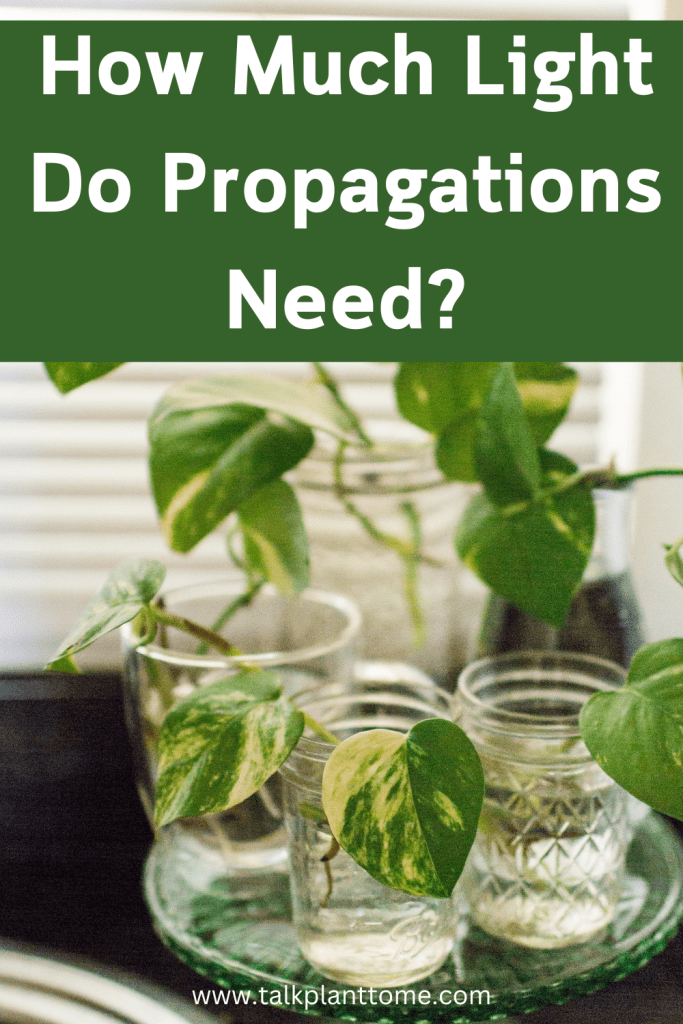
How Much Light Do Propagations Need?
Tips for getting propagation enough light:
1. Why Light is Essential for Propagations
Before we get into the details, it’s important to understand why light is so crucial for plant propagation in the first place. Light is the energy source that powers photosynthesis, the process by which plants convert light into chemical energy to grow. Even when you’re working with a small cutting, light plays a vital role in triggering the development of new roots and leaves.
When propagating plants, especially from cuttings, the cutting doesn’t have an established root system to absorb nutrients from the soil yet, so light becomes even more important. It helps the plant produce enough energy to grow roots, form new leaves, and eventually become a fully independent plant. Without adequate light, your propagation might struggle, take longer to root, or fail altogether.
2. What Kind of Light is Best for Propagations?
When it comes to propagations, bright, indirect light is generally the best option. While mature plants often need specific light conditions depending on the variety, cuttings are a bit more delicate. Too much direct sunlight can scorch the leaves and cause stress, while too little light can slow down or prevent the rooting process.
Indirect light is light that is diffused or reflected, meaning it’s not hitting the plant directly but is still providing ample brightness. A sunny window with sheer curtains, a spot that gets filtered light through blinds, or placing your cuttings a few feet away from a bright window are all great ways to achieve indirect light. This type of light helps cuttings photosynthesize without getting overwhelmed by harsh sun rays.
For those who don’t have access to bright, indirect natural light, artificial grow lights can also work wonders for propagations. LED grow lights, in particular, mimic the natural sunlight spectrum and can provide consistent, reliable light for your cuttings, especially during the shorter daylight hours in winter.
3. How Many Hours of Light Do Propagations Need?
Just like mature plants, propagations need a certain amount of light each day to thrive. In general, propagations should receive about 10-12 hours of light per day. This amount ensures that your cuttings are getting enough energy to root and develop new leaves without being overexposed.
During the summer months, natural light tends to be more abundant, so finding a spot that provides consistent bright, indirect light for 10-12 hours is usually achievable. However, during fall and winter, when daylight hours are shorter, you might need to supplement with artificial light to meet your propagation’s light needs.
If you’re using grow lights, it’s easy to set them on a timer to ensure your propagations get consistent light. Simply program the light to be on for about 12 hours and off for the remaining 12, mimicking a natural day and night cycle.
4. Signs Your Propagation is Getting Too Much or Too Little Light
One of the trickiest parts of caring for plant propagations is finding the right balance of light. Luckily, plants will give you signals to let you know if they’re getting too much or too little light. Here’s what to look out for:
- Too much light: If your propagation is getting too much direct sunlight, you might notice the leaves turning yellow, brown, or developing crispy edges. This is a sign that the cutting is being scorched by the sun. Additionally, leaves might curl or appear wilted due to stress. If you notice these signs, move your propagation to a spot with more filtered or indirect light.
- Too little light: If your propagation isn’t getting enough light, you’ll see slower root development, leggy or stretched growth (where the stem becomes thin and elongated), or pale, yellowing leaves. These are all signs that your cutting isn’t receiving the energy it needs from light. In this case, try moving the propagation closer to a light source or supplementing with a grow light.
Paying attention to how your cutting responds to light can help you adjust its placement and ensure it gets just the right amount of brightness.
5. Propagation Light Needs by Plant Type
Different plants have different light needs, even during propagation. While most cuttings do best with bright, indirect light, some plants are more adaptable to low-light conditions, while others need higher levels of light to root successfully. Here’s a breakdown of light needs for common plant types:
- Low-light plants: Plants like pothos, snake plants, and ZZ plants are more tolerant of lower light conditions and can still propagate successfully without intense light. While they still need indirect light, they don’t require as much as sun-loving plants. These cuttings can often thrive in rooms with moderate natural light or under artificial light for about 8-10 hours a day.
- Medium-light plants: Plants like philodendrons, monsteras, and peace lilies prefer bright, indirect light. These plants do best in rooms with plenty of natural light or under grow lights for 10-12 hours a day. Ensuring consistent brightness without direct sunlight will help these cuttings root faster and healthier.
- High-light plants: Sun-loving plants like succulents and cacti need plenty of bright light, even during propagation. While they still benefit from indirect light, they tend to need more hours of light to develop strong roots. For these plants, make sure they receive around 12 hours of bright light per day, and don’t be afraid to let them sit closer to a sunny window (just be cautious about direct afternoon sun that might scorch them).
6. Using Artificial Light for Propagations
If you’re working with limited natural light, especially during the winter months or in spaces with small windows, artificial light can be a lifesaver. Here are a few tips for using grow lights effectively:
- Choose the right type of grow light: LED grow lights are energy-efficient and provide a full spectrum of light, mimicking natural sunlight. They’re a great option for propagations because they don’t emit too much heat, which can harm delicate cuttings.
- Set up a consistent schedule: Use a timer to keep your grow lights on for 10-12 hours per day. This creates a consistent light cycle for your propagations and ensures they get enough energy without being overexposed.
- Place the lights at the right distance: Depending on the type of grow light you use, be mindful of the distance between the light and your propagations. Too close, and the light might be too intense; too far, and the plant might not get enough brightness. A distance of about 6-12 inches from the cutting is usually ideal.
7. Adjusting Light Based on Propagation Method
The amount of light your propagation needs can also depend on whether you’re propagating in water or soil. Cuttings in water tend to be a bit more sensitive to direct light since the water can heat up and damage the roots, so placing water propagations in bright, indirect light is key. Cuttings in soil, on the other hand, can handle a bit more brightness since the soil offers some insulation.
Now let’s wrap it up!
Getting the light just right for your propagations is a game-changer. With bright, indirect light for 10-12 hours a day, you’re setting your cuttings up for success, helping them develop strong roots and new growth. Whether you’re working with low-light plants or sun-loving varieties, pay attention to how your propagations respond to light and make adjustments as needed. With a little patience and the right lighting setup, you’ll be well on your way to growing healthy, thriving plants from cuttings!
Talk Plant To Me
If you enjoyed this article on How Much Light Do Propagations Need? then you probably (hopefully!) will enjoy and find these articles helpful as well:
 | Talk Plant To Me |
One thought on “How Much Light Do Propagations Need?”