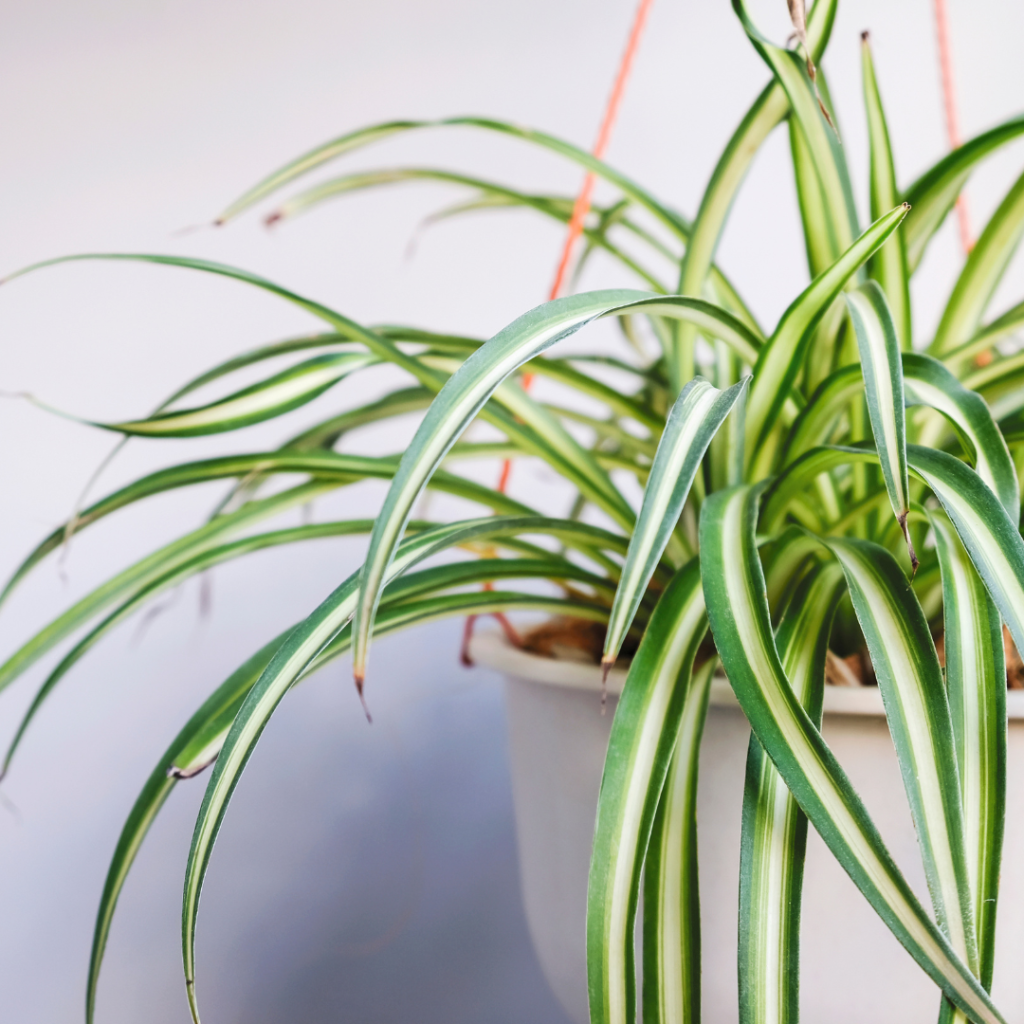
Spider plants are some of the most beloved houseplants out there—they’re hardy, forgiving, and have those adorable little “babies” that make them perfect for sharing with friends. But sometimes, even the toughest plants hit a roadblock, and you might find your spider plant refusing to grow, no matter how much you’ve pampered it. If your once-thriving green companion seems to be on strike, don’t panic! There’s probably a simple explanation (and fix) for its sudden slowdown.
In this article, we’re diving into the most likely reasons your spider plant has called a time-out on growing. From lighting quirks and watering mistakes to surprise nutrient needs, we’ll explore the plant mysteries that might be causing your spider plant to take a breather. Think of it as a detective mission into the mind of your spider plant—one where you’ll uncover the small but significant changes that can get it back to its bushy, bouncy self in no time.
So, grab a watering can, put on your plant-parent hat, and let’s get to the bottom of this spider plant standoff. With a little troubleshooting, you’ll have those vibrant green leaves shooting up and spreading out again, making your space look just as lively as ever.
Let’s bring the green back to your home!

The Most Likely Reasons Your Spider Plant Quit Growing!
Why your spider plant is struggling:
1. Inadequate Light
- Spider plants need bright, indirect light to thrive. While they’re tolerant of lower light, insufficient light can cause their growth to slow or even stop. If your spider plant is in a low-light area, try moving it closer to a bright window or supplementing with a grow light. Too much direct sunlight can scorch their leaves, so aim for a location with filtered light for best results.
2. Improper Watering
- Overwatering or underwatering can stunt your spider plant’s growth. Spider plants prefer slightly moist soil but are sensitive to soggy conditions, which can lead to root rot. Allow the top inch of soil to dry out before watering, and ensure the pot has good drainage. If your plant is wilting or showing brown leaf tips, it may be a sign of watering issues.
3. Poor Soil Quality
- If your spider plant is in compacted or nutrient-poor soil, it might not be getting the nourishment it needs. Spider plants thrive in well-draining, nutrient-rich soil. Replanting it in fresh potting soil mixed with perlite can improve drainage and aeration, giving the roots room to grow and access to nutrients for healthier foliage and better growth.
4. Temperature Extremes
- Spider plants grow best in moderate temperatures, ideally between 65-75°F (18-24°C). Extreme cold or heat can shock the plant, causing it to halt growth. Keep your plant away from drafty windows, radiators, or vents. In colder months, ensure it’s not near windows where temperatures fluctuate, as sudden drops can cause stress.
5. Lack of Humidity
- Spider plants enjoy moderate humidity levels, and very dry air can lead to stunted growth or crispy leaf tips. If your home is particularly dry, especially in winter, consider using a humidifier or placing the plant on a tray of water with pebbles. Increasing humidity will help your plant maintain moisture levels, supporting its growth.
6. Nutrient Deficiency
- Like most houseplants, spider plants need nutrients to grow well. If your plant hasn’t been fertilized in a while, it could be lacking essential minerals. Use a balanced, water-soluble fertilizer once a month during the growing season (spring and summer). Be cautious not to over-fertilize, as too much can burn the roots and slow growth.
7. Root Bound Conditions
- Spider plants grow quickly and can become root bound, meaning the roots have filled up the pot and have no more space to expand. When this happens, the plant’s growth will slow down. If you notice roots growing out of the drainage holes, it’s time to repot. Choose a pot that’s 1-2 inches larger in diameter to give the roots room to spread.
8. Pest Infestations
- Common pests like spider mites, aphids, or mealybugs can feed on the plant’s nutrients, weakening it and stunting growth. Regularly inspect your spider plant for signs of pests, such as webbing, sticky residue, or small bugs on the leaves. If you spot pests, treat the plant with insecticidal soap or a gentle wipe-down with a diluted neem oil solution.
9. Chlorine and Fluoride in Water
- Spider plants are sensitive to chemicals like chlorine and fluoride often found in tap water. These can cause browning tips and inhibit growth over time. To avoid this, use distilled water, rainwater, or let tap water sit out for 24 hours before watering. This allows chlorine to dissipate, making the water gentler on your plant.
10. Dormancy Period
- Sometimes, spider plants naturally slow down during colder months as they enter a semi-dormant phase. Growth might pause but will usually pick up again in spring. During this period, reduce watering slightly and hold off on fertilizing, as the plant’s needs decrease. Once temperatures warm up, your plant should start growing again.
By addressing these common issues, you can help your spider plant regain its vitality and resume healthy growth. With a bit of extra care, it’ll be back to its lush, lively self in no time!
Talk Plant To Me
If you enjoyed this article on The Most Likely Reasons Your Spider Plant Quit Growing then you probably (hopefully!) will enjoy and find these articles helpful as well:
 | Talk Plant To Me |