A pest infestation is a dreaded nightmare for us plant parents. Spotting those little devils on your precious plants is awful and can be such a pain to resolve and care for the plant after you fix the pest problem.
Which is why it is so much better to take some extra steps and precautions to try and avoid ever letting pests get to your plants. While this may be an insanely ambitious goal it is definitely worth the effort. Because even catching an infestation early is so much better for your plants!
So let’s get into it so you can start keeping an eye out and deterring those darn pests (looking at you gnats aka my personal enemy)-
Essential Tips For Avoiding Pest Infestations!
Keep pests away from your house plants:
Tip 1: Fully inspect plants before bringing them in
We all want to immediately show off our new plants of course.
But bringing them inside and putting them right by your other plants can be a recipe for disaster! The most likely thing to cause your plants to get infested with nasty pests is brining an already infected plant into your house.
So there are two things you can do with this-
First: inspect the plant throughly before it even enters through your front door. Check both the top and bottom of all leaves for any visible bugs or visible evidence of them (sticky residue, little white spots etc). Then you also need to check the soil- not only for the same signs but also for larvae! Gnats especially put their larvae into the soil so even if you don’t see any bugs now you could end up with hundreds with they hatch.
Second: Quarantine the plant next! The human eye is only so talented. So even if you don’t see any evidence or signs of pests I still highly recommend quarantining your new plant. Put it in a room with no other plants in it for 2 weeks- that should be enough time for anything to appear or hatch!
Tip 2: Keep your plant leaves clean
Clean those leaves my friends!
Not only do clean plant leaves absorb more from sunlight and therefore thrive more but they also are less likely to attract and to hide pests.
And this doesn’t need to be overcomplicated. Just grab a microfiber cloth and a spray bottle of water (dish soap works too if diluted but only if you feel confident in your plant skills because it can stress them sometimes too). Then spray the top and bottom of each leaf and wipe them down.
Don’t forget the stems too- everything that can collect dust or general grime on it should be wiped down.
On a similar note, make sure to also trim away any dead leaves too. When they start to decay they make awesome food for pests so don’t hand them a buffet!
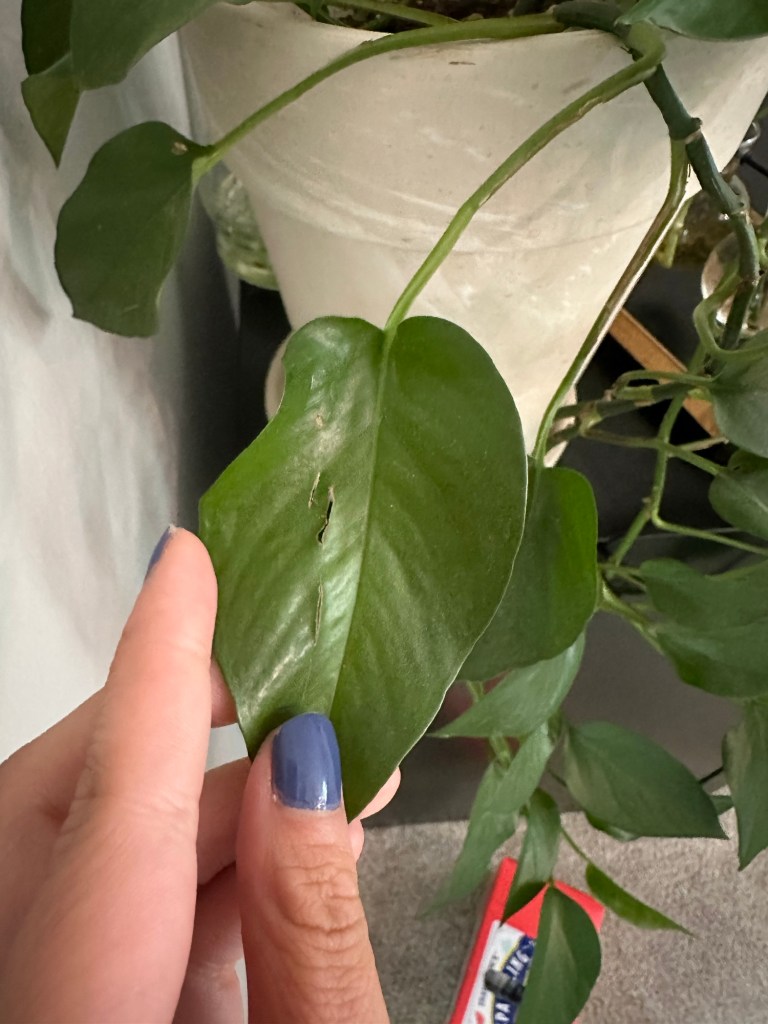
Tip 3: Be cautious of overwatering your plants!
“Korra you tell us not to overwater every single article”
And I will never stop! Too many of us get our first plant(s) and assume we are most likely to cause damage by forgetting to water them. But most plants are pretty forgiving about their watering schedule unless you are overwatering. Not only can it lead to root rot which is USUALLY the end of that plant… but it also creates a moist environment that pests love.
Don’t give the pests what they want- keep your plants hydrated but allow the soil to dry out completely in-between watering!
Bonus tip: you can also sprinkle a layer of sand on the top of plants that need a lot of water so therefore attract gnats. The sand keeps them from laying eggs in the dirt under it.
Tip 4: Repot regularly
Taking the time to repot your house plants has two pest evasion benefits-
First: it allows you to really and deeply check your plants for pests or larvae that could become pests. When you search into the soil you get the best look into your plants and their health.
Second: It allows you to put fully sterilized (heat at 180 degrees) fresh soil into the pots so you know that every 8-12 months when you repot that they get soil with basically no chance of pests currently in it.
Tip 5: Separate plants the second you suspect a pest
Immediately quarantine any plants that you even slightly suspect could have pest damage.
Keeping the pests to just one or two plants is exponentially easier to deal with compared to them taking over all of your plants!
Also- if you do see a pest or signs of the pest not only quarantine that plant but any plants touching or very close to it. But quarantine in separate areas in case they haven’t been infected.
Tip 6: Do a monthly pest sweep
This is so easy and totally worth it.
Set a notification in your phone or on your google calendar for one day a month that you will do this sweep. And all you have to do is check at least one leaf on each plant. You would be amazed at how helpful it is to catch anything (not just pests) that is wrong with your plants early on.
Tip 7: Don’t open windows near your plants
Lastly, don’t invite the pests in!!
Opening windows is basically inviting the pests from outside plants into your home. Don’t get me wrong- I love fresh air and opening windows! But make sure that you aren’t opening ones that have plants right in front of them.
This isn’t a guarantee of course but it is another useful step you can take to limit the amount of pests getting into your house! And therefore harming your beautiful plant babies.
I hope that these tips were genuinely helpful and that they help you avoid plant infestations so your house plants can thrive!!
Talk Plant To Me
If you enjoyed this article on Essential Tips For Avoiding Pest Infestations then you probably (hopefully!) will enjoy and find these articles helpful as well:
 | Talk Plant To Me |