Carrots are on the easier side of vegetables that you can grow in your garden and obviously they are one of the most universal for cooking and snacking on. Which makes them an immediate add to most of our garden plans!
But there is some important things you need to know about carrots before attempting to grow them (for example they are drama queens about soil). And just some helpful tips that will ensure you get the best harvest of carrots or at least the best one for the first time.
So let’s get into how to grow carrots in your garden-
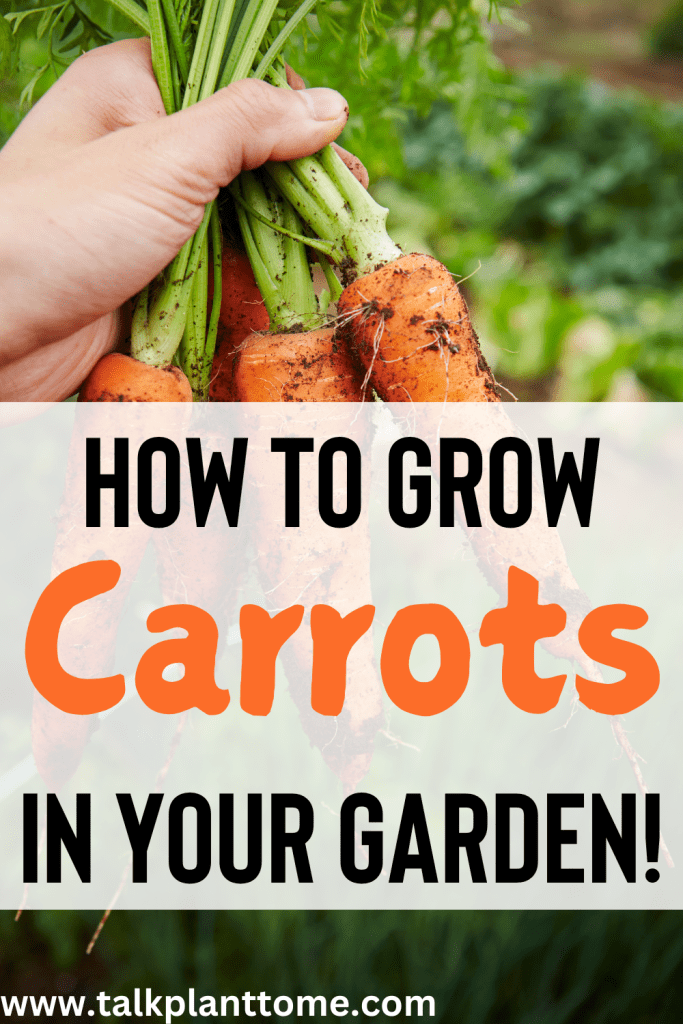
**Stock image! Knowledge gained from years working in the agriculture/greenhouse industry and related plants/research and all opinions below are my own!
How To Grow Carrots In Your Garden!
Steps and tips for growing yummy carrots:
Step 1: Make sure to choose the right carrots for you
Guys it’s important to know before you start this carrot journey- not all carrots are the same!!
And choosing the right variety makes a big difference in how well they grow. If you have loose, deep soil, long varieties like Imperator or Danvers do well. If your soil is heavier or shallower, try shorter or round varieties like Parisian or Chantenay.
Rainbow carrots add a fun mix of colors, and they taste just as good as the classic orange ones in my humble opinion.
Step 2: Find their ideal growing spot
Carrots love full sun, and like a lot of it. So find a spot in your garden that gets at least six hours of sunlight per day.
They also prefer loose, well-draining soil without too many rocks or clumps- so get to tilling that soil first please! The carrots will thank you with a better harvest I promise.
Since carrots grow underground, anything in their way can cause them to become misshapen. If your garden soil is heavy clay, consider planting them in raised beds or adding compost and sand to loosen it up.

Step 3: You gotta prep the soil
If you haven’t noticed yet- carrots are dramatic about soil.
Carrots need soft, airy soil to grow straight and smooth. Before planting, loosen the soil at least 12 inches deep with a garden fork or tiller. Remove any rocks, sticks, or hard clumps that could block their growth.
Also- Mixing in compost or aged manure helps improve soil texture and provides nutrients, but avoid fresh manure, which can cause carrots to grow weirddd shapes.
Step 4: Planting the seeds
Carrots grow best when planted directly in the garden rather than started in containers. The tiny seeds should be sown about a quarter-inch deep and spaced about an inch apart. Since they’re so small, it’s easy to overdo it, but don’t worry guys because you’ll thin them out later.
Keep the soil moist while the seeds are germinating, which can take one to three weeks, depending on the variety and weather. If you have trouble keeping the soil damp, cover the rows with a light layer of straw (my preferred way) or burlap until they sprout.
Step 5: Time to thin them
Once your carrot seedlings are a few inches tall, they’ll need some room to grow.
This is because crowded carrots can become twisted and stunted, so thinning them is an important step!
Gently remove weaker or closely spaced seedlings so that the remaining plants are at least two inches apart. If pulling them disturbs the roots of nearby plants, try snipping them off at the base instead.
Step 6: Watering + Weeding
Carrots need consistent moisture to grow properly, especially in the early stages. If they dry out too much, they can develop cracks, but if they’re overwatered, they can rot. And we all know I HATE root rot!
Water them deeply once or twice a week, depending on the weather, making sure the soil stays evenly moist but not soggy.
Weeds compete with carrots for nutrients and water, so keep the garden bed as weed-free as possible. Carrot roots are delicate, so hand-pulling weeds is the best way to avoid damaging them. A light mulch of straw or shredded leaves can help keep weeds down while also maintaining moisture.
Step 7: Understanding common carrot problems
Carrots are fairly low-maintenance, but sadly they can still face a few common problems. Carrot rust flies lay eggs near the base of plants, and their larvae burrow into the roots, leaving brown tunnels inside. Floating row covers can help keep these annoying pests away.
If your carrots have green shoulders, they were exposed to too much sun. Simply mounding a little soil over the tops or adding mulch can prevent this from happening. Forked or twisted carrots usually mean the soil was too hard or rocky when they were growing, so making sure your soil is loose will help avoid these issues next time.
Step 8: Harvesting
Carrots take about two to four months to be ready for harvest, depending on the variety. They’re usually ready to harvest when they reach the right diameter, typically around three-quarters of an inch across. If you’re not sure, gently pull back a little soil to check their size. Don’t worry about harming them at this point they are much more resilient.
To harvest, loosen the soil around the carrots with a garden fork or water the area well to soften the ground. This makes it easier to pull them out without breaking them. If they resist, don’t yank too hard though my friends just give them a little wiggle to loosen them first.
Step 9: Storing the carrots!
Freshly harvested carrots taste amazing and can be used right away in salads, roasted dishes, or even juiced if you are feeling adventurous.

If you have more than you can eat at once, they store well too. Trim off the greens, as they draw moisture from the roots, and store carrots in the refrigerator for a few weeks. For longer storage, you can keep them in damp sand in a cool, dark place or even freeze or pickle them.
And that is all I have about growing carrots- I hope you try to add them to your garden this year and make sure to share any carrot growing tips in the comments so we can all help each other!
Talk Plant To Me
If you enjoyed this article on How To Grow Carrots In Your Garden then you probably (hopefully!) will enjoy and find these articles helpful as well:
 | Talk Plant To Me |