Living in an apartment or condo doesn’t mean that you have to give up your dreams of fresh veggies, herbs and/or fruit! A balcony doesn’t just have to be a space you swear you’ll drink coffee at in the mornings but never do. It can be a full garden! It’ll involve some research, planning, and effort but it’s more than possible to have a full functional garden on your balcony.
But don’t worry, we are going to go over HOW that is possible with tons of helpful tips throughout. So let’s just get right into it so you can start planning your mini balcony garden!
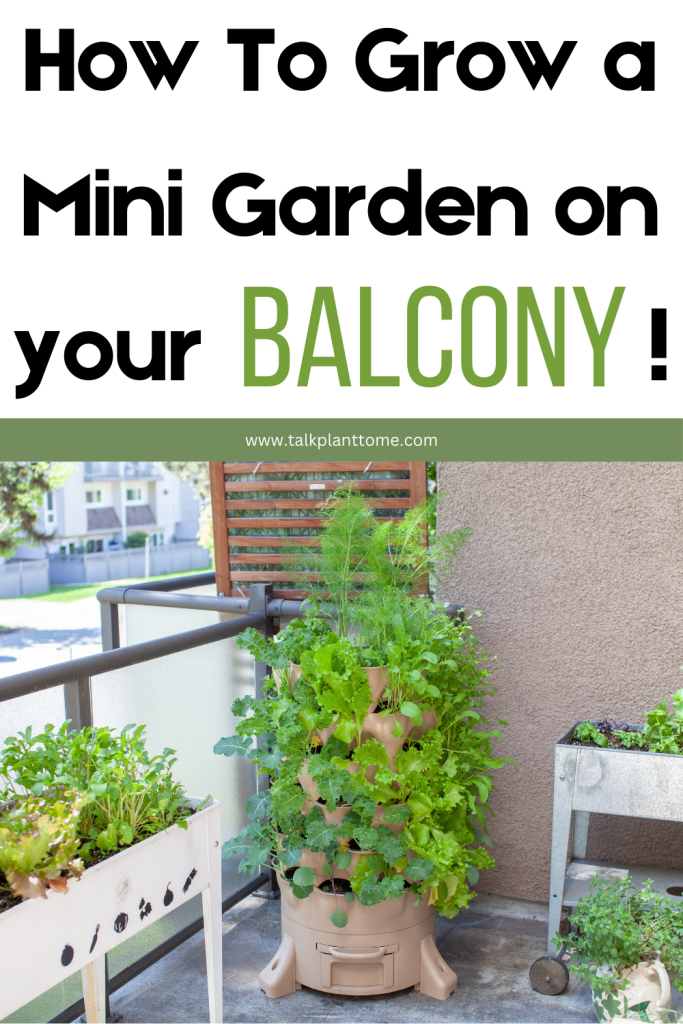
**Stock image! Knowledge gained from years working in the agriculture/greenhouse industry and related plants/research and all opinions below are my own!
How To Grow a Mini Garden on your Balcony!
Guide to a balcony garden:
Step 1: Make a plan to maximize space and sun
Evaluate your sun, shade and wind conditions-
This will determine which types of plants will thrive in your space. You will want to the number of hours of direct sunlight your balcony receives.
To do this I found the easiest to just take note in the morning of when light starts to hit the balcony and then again in the evening when the sun is no longer shining on the balcony. Remember, residual light won’t help the plants much! It’s a matter of sun actually shining on the balcony.
Then, calculate how long between to determine how much sun light your balcony gets. And observe if any areas receive only partial light or if a corner is actually full shade during the day. Also, consider how windy your balcony gets, as some plants are more sensitive to wind! Those plants will want to be further from the edge where they will be more susceptible to wind gusts.
Step 2: Get the right containers and supplies
Get measurements-
Measure your balcony to understand how much space you have to work with. It’s easy to eye ball and think you know but when the supplies arrive or you bring them home from a garden shop you will likely regret not getting actual measurements.
Then it’s time to choose railing containers, floor containers, etc. that fit your measurements and work for the type of plants you are wanting to grow.
Choose containers that fit well while maximizing your growing area. Railing containers are great for saving floor space, while larger floor containers can accommodate bigger plants or vegetable crops. Ensure all containers have proper drainage holes to prevent waterlogging. Additionally, invest in quality potting soil and a few basic gardening tools like a trowel and watering can!!
Railing containers that I would recommend are these ones linked here. Because they are 7.5 inches deep rather than 5 like most meaning that the roots will have more room to grow. It also allows roots to grow vertically not horizontally so you can grow more in one container.
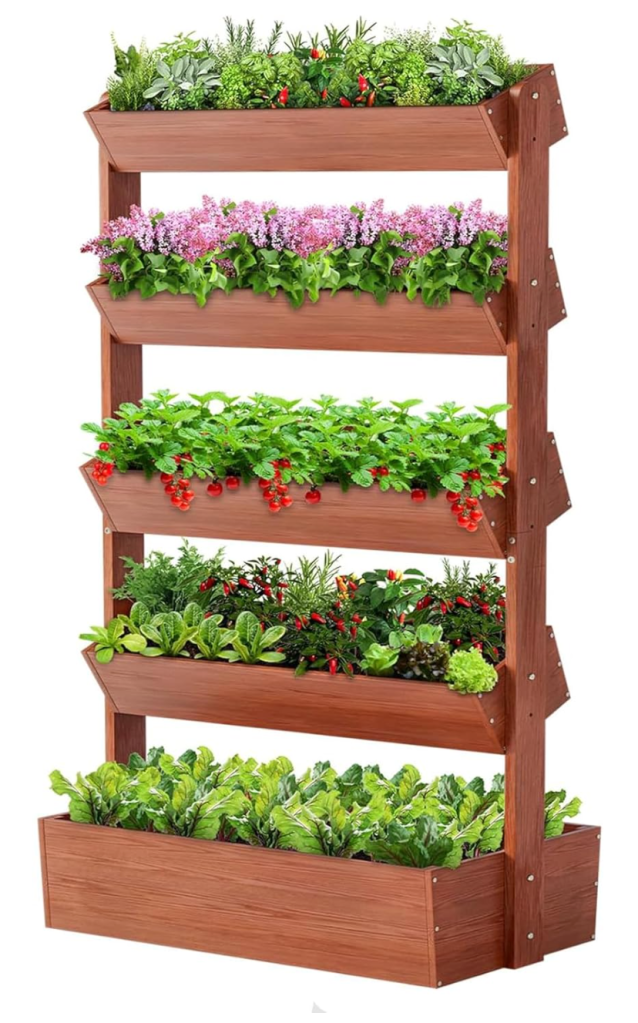
But honestly there is nothing wrong with not wanting to hang them. For planters on the ground you can go with a tiered raised bed like this:
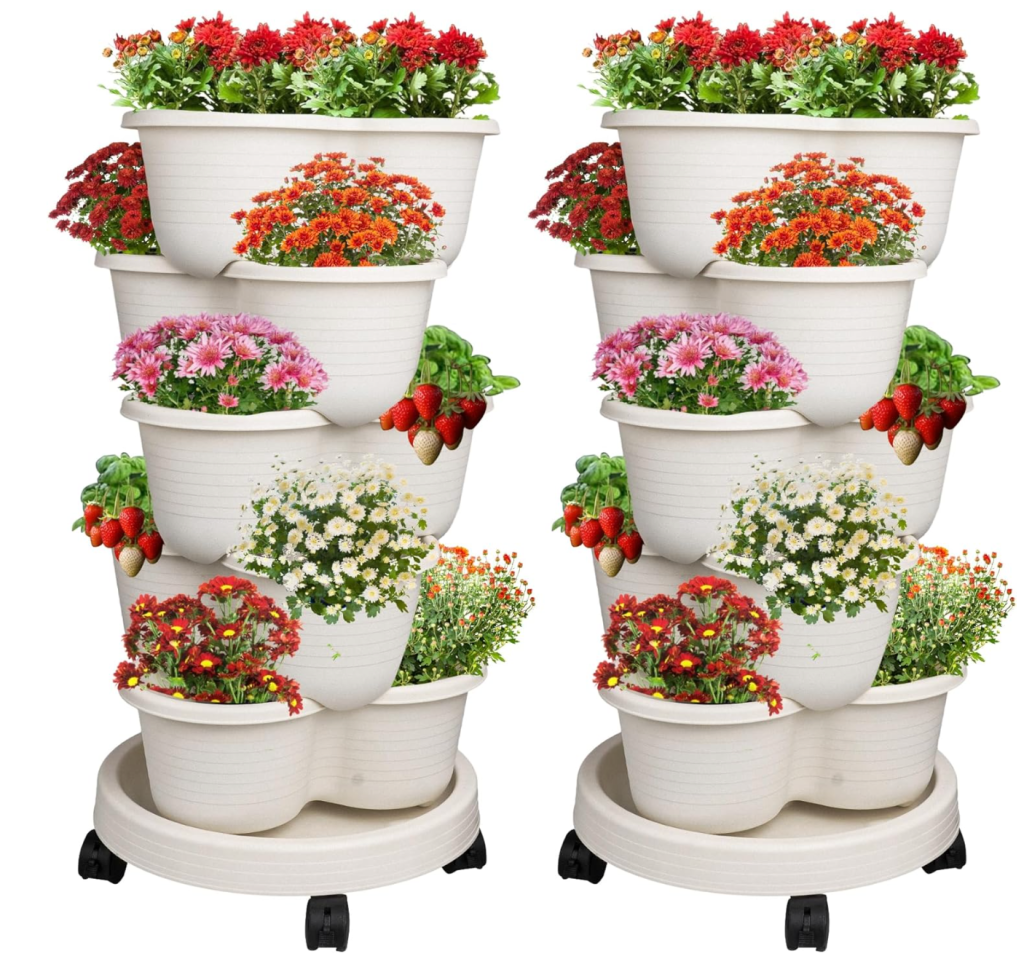
Or a vertical planter like this (I do recommend getting one on wheels for ease of watering and rotating as needed!):
Step 3: Decide what to grow!
What grows best in a smaller space?
What grows with limited light/blocked light from buildings?
What thrives in container gardening rather than the ground?
Those are all questions we have to think about when choosing what is best for your apartment balcony garden. And a lot of that will depend on your specific needs. But overall, there are a few veggies, herbs and cut flowers that generally do good with the requirements of a balcony garden.
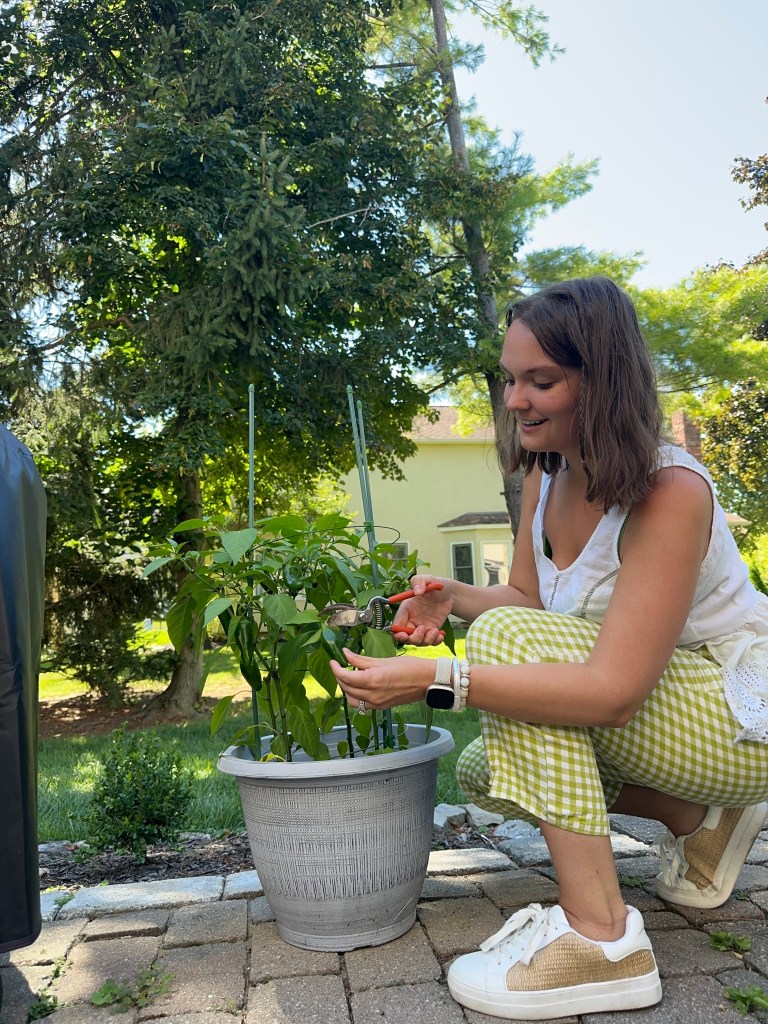
Vegetables- Tomatoes, peppers, radishes, and leafy greens like spinach and lettuce grow well in smaller spaces and containers. Also, jalapeños! This might be my personal bias coming out but there is so much that can be done with jalapeños in the kitchen and they THRIVE in container gardening-
Herbs- Basil, cilantro, mint, and chives are perfect for balcony gardens. They don’t need much room and can thrive in smaller pots.
Cut flowers- Marigolds, zinnias, and petunias are great for adding color and are relatively easy to maintain.
Step 4: Time to plant
With your plan and supplies ready, it’s time to plant. AKA the most fun part in my humble opinion!
Fill containers with potting soil, leaving some space at the top for watering. Plant seeds or seedlings according to the depth and spacing recommendations provided on their packets. Water gently but thoroughly after planting.
I will say that in general I would recommend planing your seeds in an indoor seed growing container first. Because you can use a grow light and monitor their water intake and growth more closely. This is the seed starter tray I use and love (linked here!)
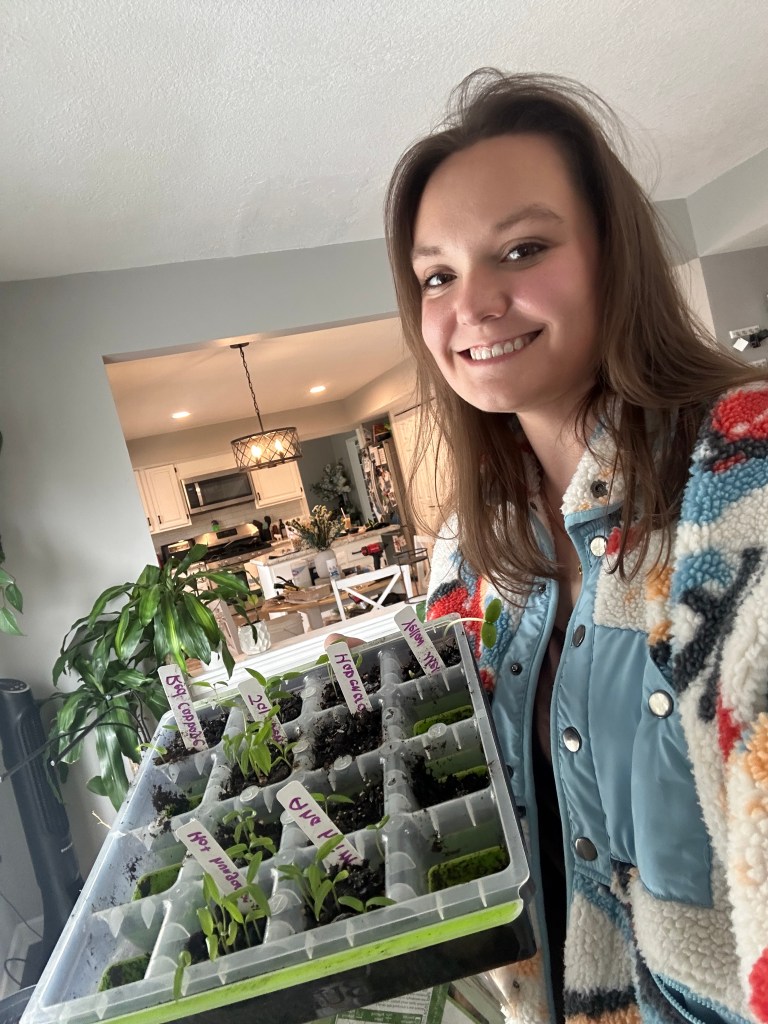
And then once they have sprouted and turned into seedlings then move them outdoors
Step 5: Keeping the plants thriving and healthy
Regular care is key to a healthy balcony garden. Water your plants according to their needs; most container plants require watering once a day during hot weather. Feed them with a suitable fertilizer every few weeks to ensure they get all the necessary nutrients. Monitor for pests and diseases and treat them promptly to prevent spread.
Depending on what you are growing they will have specific and detailed needs. So go check out these gardening guides next:
- My Best Tips For Growing A Zucchini Plant In Your Garden
- How To Grow Onions Easily In Your Garden
- Herbs You Can Grow At Home To Bake With
- 101: How To Grow Lettuce In Your Garden
- How to Grow Strawberries: A Beginner’s Guide to Sweet Success
- Essential Tips For Growing Cucumbers In Your Garden
Step 6: Time to harvest
Once your plants have grown and matured, it’s time to enjoy the fruits of your labor. And yeah guys.. I intended that pun!
Harvest vegetables and herbs as needed to both encourage more growth and enjoy the freshest produce right from your balcony. This is the most fun part so take joy in it but also be patient and understand that especially when you start growing food or flowers you will have ups and downs. But stay with it because this is such a fun and rewarding journey!!
Bonus tips for gardening on balconies:
- Vertical Gardening: Utilize vertical space by installing hanging planters or shelves to maximize your growing area. This is the way you are going to really make the most of a small balcony space for your gardening!
- Companion Planting: Pair plants that thrive together; for example, tomatoes do well when planted near basil. This will allow you to have less “wasted” space.
- Water Efficiency: Use self-watering containers or install a drip irrigation system to save water and time.
Creating a mini garden on your balcony is not only rewarding but also adds beauty and a bit of nature to your urban living space. With these steps, you’ll be well on your way to enjoying your own little mini balcony garden!
Talk Plant To Me
If you enjoyed this article on How To Grow a Mini Garden on your Balcony then you probably (hopefully!) will enjoy and find these articles helpful:
 | Talk Plant To Me |