Plant parents generally agree that misting can be amazing for a lot of plants! But that knowledge can quickly cause problems because some plants HATE misting, others need it way more and some need just the right balance. And often it isn’t necessary at all… sounds a little confusing I know. But we are going to break down misting your plants in full detail below so you can understand why and when to mist plants!
So let’s get into it-
A full guide to misting plants:
Which ones need it, which hate it, how often and more!
Why Misting?
Alright my friends first thing first- why??
Misting is more than just spraying water on plant leaves. It’s really about increasing humidity around the plant, which can be crucial for certain types of indoor plants that thrive in moist environments. Imagine a plant that normally and naturally would grow in a tropical forest? Yeah my house in North Carolina just isn’t gonna match that. So we gotta fake it till we make it and misting can really help to simulate the environment that a lot of plants thrive best in.
Also, misting can also help in dusting off leaves which is more than just for aesthetics. Clean leaves helps with aiding in the photosynthesis process and potentially even preventing certain pests!
Plants That Love Misting
There are two major families of plants that adore misting which is tropical (and subtropical but we’re gonna combine them today) and foliage plants.
Let’s chat about both quickly-
Tropical and Subtropical Plants: These are the biggest fans of misting. Plants like orchids, ferns, and palms come from environments where the air is naturally humid. Similarly, aerial plants, such as tillandsias (air plants), absorb moisture through their leaves and benefit greatly from regular misting. If you aren’t sure if your plant is tropical or not just google the plant name and where they come from. If the climate is tropical or sub tropical than grab your mister!

Foliage Plants: Plants with broad leaves, such as anthuriums and philodendrons, enjoy the occasional mist. It keeps their leaves glossy and supports their natural habitat’s conditions. Less so than tropicals but they still love monthly or even bi-weekly misting.
Plants That Dislike Misting
Okay so unlike the plants we just chatted about there are some that HATE misting. It can lead to diseases, less growth, and in some extreme cases it can even end the plants life 😦 So let’s chat about the ones you gotta keep the mister away from-
Succulents and Cacti: These hardy plants are adapted to dry climates. Misting can lead to issues like rot and fungal infections, which are detrimental to their health. And guys… we know I despise root rot because it is usually a plant death sentence. So don’t tempt fate with succulents and cacti plants!
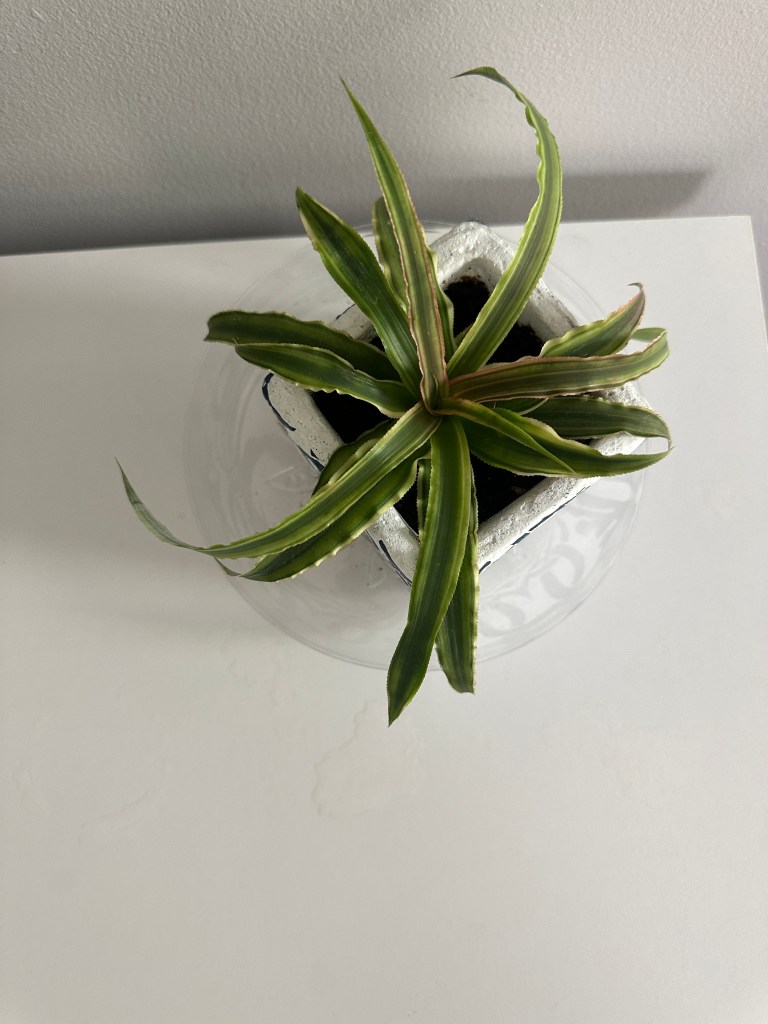
Hairy-Leaved Plants: Plants like African violets have fuzzy leaves that retain moisture, which can lead to fungal problems if they get wet frequently.
Plants with Dense Foliage: Plants like peperomias can trap moisture in their dense leaves, promoting disease. It’s best to keep the leaves dry and focus on soil moisture management for these types.
How Often Should You Mist?
The frequency of misting largely depends on the environmental conditions of your home. Here’s a simple guideline:
- High Humidity Environments: If your home is already humid (above 60% humidity), misting once a week is sufficient. A lot of modern thermostats will tell you the humidity levels but usually we can feel if our home is humid VS dry. And the more humid the less likely you are going to want to mist even tropical plants. Because that can be too much moisture and cause issues. For plants that like misting I recommend once a week MAX in a humid home.
- Low Humidity Environments: In dryer conditions, misting 2-3 times a week can help maintain an optimal level of moisture. But make sure to watch for signs of rot or disease from too much moisture because you can over do it.
Best Practices for Misting
- Use the Right Water: Always use room-temperature water to mist. Cold water can shock the plants, and hot water can cause damage. If your tap water is hard, consider using distilled or filtered water to avoid leaving mineral deposits on the leaves. You can get ones that you attach to just one sink in your home that you then get plant misting (and watering!!) water from.
- Time It Right: The best time to mist is in the morning. This gives the plants time to absorb the moisture before the cooler evening temperatures, reducing the risk of fungal diseases.
- Proper Technique: When misting, ensure you’re spraying a fine mist and not soaking the plant. Keep the mister about six inches away from the leaves to cover the surface evenly.
- Monitor and Adjust: Watch how your plants respond to misting. If you notice any signs of distress, adjust your routine or consult with a horticulturist.
- Combine with Other Humidity Solutions: For homes with dry air, combining misting with other solutions like humidity trays or humidifiers can create a more consistently humid environment, which is ideal for tropical plants.
Misting is a simple yet effective way to enhance the health and appearance of many indoor plants. By understanding the needs of your specific plants and adjusting your misting habits accordingly, you can ensure that your indoor garden remains (or becomes!) both lush and vibrant!
Talk Plant To Me
If you enjoyed this article on A full guide to misting plants: which ones need it, which hate it, how often and more then you probably (hopefully!) will enjoy and find these articles helpful as well:
 | Talk Plant To Me |