Oh no, those brown spots on your beloved pothos plant have got you puzzled! But fear not, because we’re here to help you decode the mystery and restore your pothos to its full glory. In this article, we’ll dive deep into the causes of those pesky brown spots and equip you with the knowledge to fix them like a pro!
From overwatering mishaps to lighting woes and pest invasions, there are various factors that can lead to those unsightly brown spots on your pothos leaves. We’ll uncover the culprits one by one, shedding light on the root causes behind them.
But don’t worry, we won’t leave you hanging there! We’ll also provide you with practical tips and effective solutions to fix those brown spots and nurse your pothos back to health. You’ll learn the art of proper watering, lighting adjustments, pest control techniques, and more.
So, buckle up and get ready to embark on a journey of unraveling the secrets behind those brown spots. By the end of this article, you’ll be armed with the knowledge and tools to become a pothos expert, ensuring that your plant stays vibrant, green, and spot-free.
Let’s dive into the world of pothos troubleshooting and banish those brown spots once and for all. Get ready to revive your pothos and enjoy its lush foliage in all its glory!
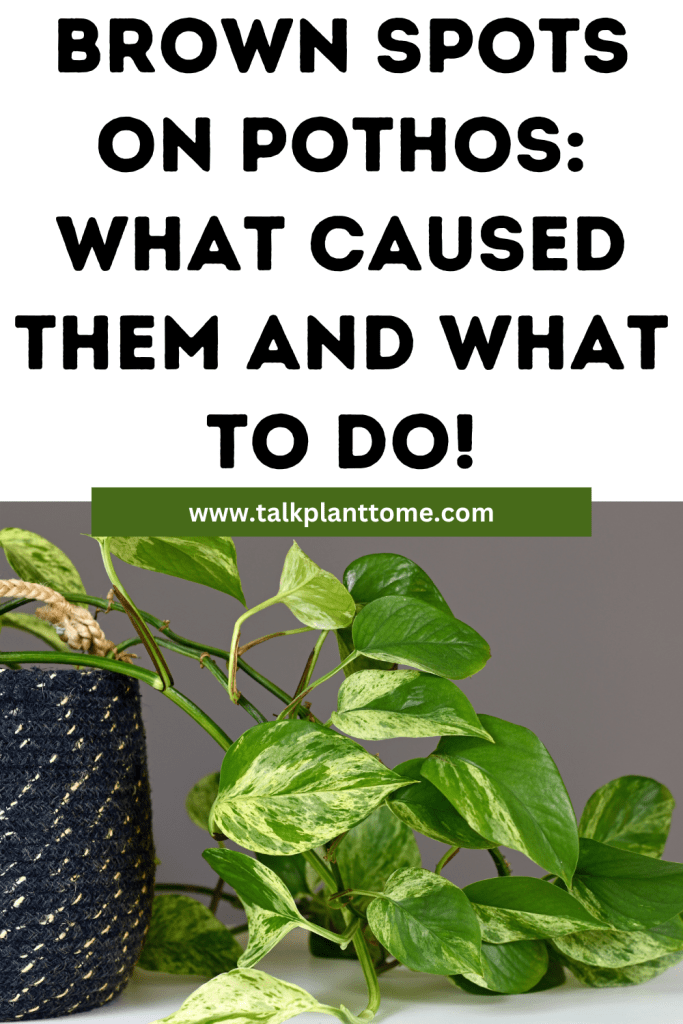
Brown Spots On Pothos: what caused them and what to do!
What causes brown spots on pothos plants:
Oh no, brown spots on your beloved pothos plant? Don’t worry, we’ve got your back! Let’s unravel the mystery behind those pesky spots in a jiffy:
Overwatering:
Pothos plants dislike having soggy feet. Overwatering can lead to root rot, causing brown spots to appear on the leaves. Make sure to let the soil dry out between waterings and ensure proper drainage to keep those roots happy.
Let’s dive a bit deeper into the dangers of overwatering and how to keep those roots happy:
- The perils of overwatering: When pothos plants receive too much water, the roots become waterlogged, leading to a lack of oxygen and the onset of root rot. As a result, brown spots can start appearing on the leaves, signaling trouble.
- Allow the soil to dry out: After watering your pothos, let the top inch or so of soil dry out before watering again. This allows the roots to breathe and prevents excess moisture from lingering.
- Test the soil moisture: Use the trusty finger test by sticking your finger into the soil. If it feels damp at the depth of an inch, hold off on watering. Once it feels slightly dry, it’s time to provide a refreshing drink.
- Proper drainage is key: Ensure that your pothos is potted in a container with drainage holes. This allows excess water to escape and prevents it from pooling at the bottom, leading to waterlogged roots. If your pot lacks drainage holes, consider repotting into one that allows for proper drainage.
- Frequency of watering: The watering frequency depends on various factors like the size of the pot, environmental conditions, and the moisture retention properties of the soil. As a general guideline, aim for watering every 1-2 weeks, adjusting as needed based on the soil’s dryness.
Underwatering:
On the flip side, underwatering can also cause brown spots. When the soil becomes too dry for extended periods, the leaves may develop dry, crispy patches. Keep a consistent watering schedule and ensure your pothos gets a good drink when needed.
Inadequate light:
Pothos plants adore bright, indirect light. If they’re not receiving enough light, their leaves can develop brown spots or become discolored. Find a well-lit spot near a window or consider adding artificial lighting to give your pothos the sunshine it craves.
Temperature stress:
Pothos plants prefer temperatures between 60°F and 85°F (15°C – 29°C). Exposure to extreme temperatures, drafts, or sudden temperature fluctuations can cause leaf discoloration and brown spots. Keep your pothos away from chilly drafts or overly hot spots.
Fertilizer issues:
Overfertilizing or using the wrong type of fertilizer can cause leaf burn and brown spots. Follow the recommended dosage and frequency for fertilizing your pothos, and opt for a balanced houseplant fertilizer to keep things in harmony.
Pests on the prowl:
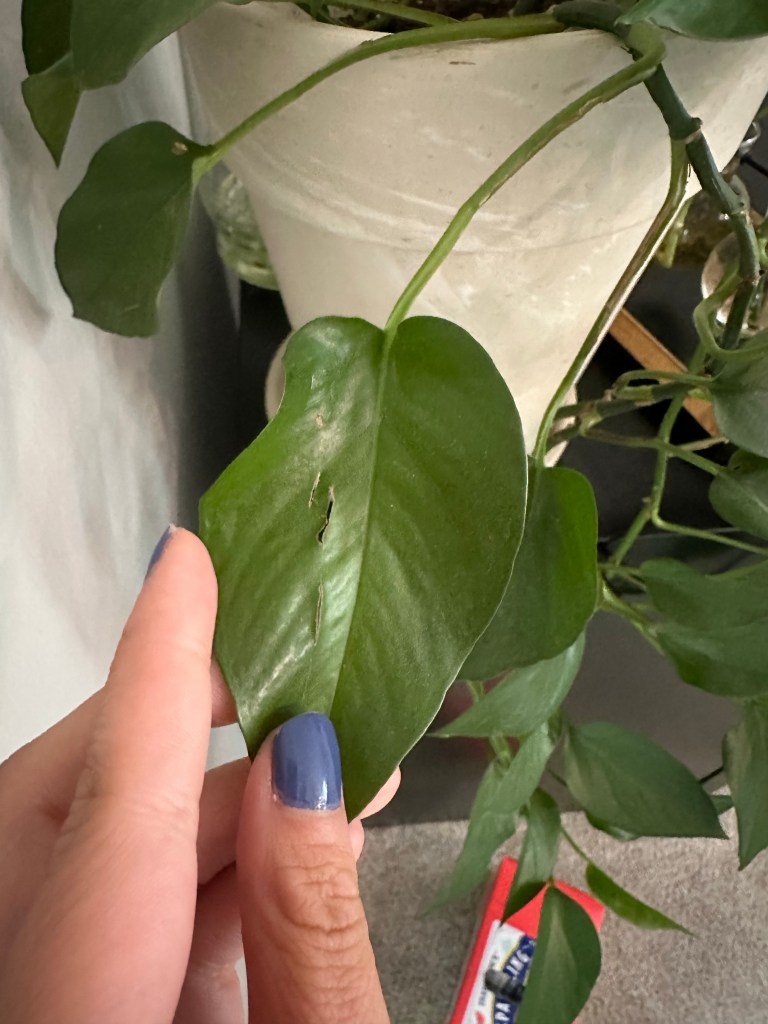
Sometimes, those sneaky pests like spider mites or mealybugs can wreak havoc on your pothos, causing brown spots and other leaf damage. Keep a close eye on your plant and take action promptly if you notice any unwanted critters.
But fear not, we’ve got the solution to keep those critters at bay:
- Vigilance is key: Regularly inspect your pothos for any signs of pests. Check the undersides of leaves, along the stems, and even around the soil surface. Look out for tiny webs, cottony clusters, or crawling insects.
- Swift action: If you spot any pests like spider mites or mealybugs, it’s crucial to act promptly. These critters can cause brown spots and damage to your pothos leaves if left unchecked.
- Isolate and treat: If the infestation is limited to a few leaves or a specific area, isolate the affected plant from your other plants to prevent the pests from spreading. Treat the infested areas by using appropriate organic or chemical pest control methods.
- Natural remedies: For mild infestations, you can try natural remedies such as wiping the leaves with a mixture of mild liquid soap and water, or using a neem oil solution. Repeat the treatment regularly to eradicate the pests.
- Chemical options: If the infestation is severe or natural remedies don’t seem effective, you can resort to chemical insecticides specifically formulated for houseplants. Follow the instructions carefully and use them in a well-ventilated area.
- Monitor and prevent: After treating the infestation, continue monitoring your pothos for any recurring signs of pests. Regularly inspect your other plants as well to prevent the spread of pests. Keeping your plants healthy and stress-free through proper care can also help deter pests.
Now that you know the potential culprits behind those brown spots, you can take steps to address the issue and restore your pothos to its vibrant glory. So, roll up your gardening sleeves, give your pothos some tender love and care, and bid farewell to those unsightly spots. Your pothos will thank you with luscious, spot-free foliage in return!
What to do about brown spots on pothos plants:
Don’t let those brown spots get you down! Here are some actionable steps to help you tackle the issue and bring your pothos plant back to its healthy, vibrant self:
Adjust your watering routine:
Check if you’ve been overwatering or underwatering your pothos. Let the top inch or so of soil dry out before watering again, and ensure proper drainage to prevent waterlogged roots. Be consistent and find the right balance to keep your pothos happy.
Here’s how to adjust your watering routine with finesse:
- Assess your watering habits: Take a moment to evaluate if you’ve been overwatering or underwatering your pothos. Look for signs such as wilting, yellowing leaves, or a constantly soggy soil surface.
- The finger test: Stick your finger about an inch into the soil. If it feels dry at that depth, it’s time to water. However, if it still feels slightly moist, hold off a little longer. Pothos prefer their soil to dry out between waterings.
- Mind the drainage: Ensure your pothos is planted in a pot with drainage holes. Good drainage prevents water from sitting in the soil and causing root rot. Excess water should be able to escape, so bid farewell to waterlogged roots!
- The water ritual: When it’s time to water, do it thoroughly but gently. Pour water into the pot until you see it flowing out of the drainage holes. Allow any excess water to drain completely before placing the pot back in its designated spot.
- Observe and adjust: Keep a watchful eye on your pothos and the soil moisture levels. Over time, you’ll become familiar with the ideal watering frequency and amount based on your specific environment.
Remember, pothos are more forgiving when underwatered than overwatered. So, lean towards slightly underwatering rather than drenching them with excessive moisture. Finding the perfect watering rhythm will keep your pothos lush and happy, dancing with delight. Cheers to a well-hydrated and thriving pothos plant!
Evaluate lighting conditions:
Is your pothos getting enough bright, indirect light? Consider moving it to a spot near a window or providing supplementary artificial lighting. Adequate light exposure can promote healthy leaf growth and minimize brown spots.
Maintain ideal temperature:
Ensure your pothos is in a temperature range of 60°F to 85°F (15°C – 29°C). Protect it from drafts, extreme temperature fluctuations, or prolonged exposure to chilly air. Stable and comfortable temperatures can help prevent leaf discoloration.
Adjust fertilization:
If you suspect overfertilization, flush the soil with water to leach out excess salts. Follow the recommended dosage and frequency for fertilizing your pothos, and opt for a balanced houseplant fertilizer. Avoid fertilizing during periods of plant stress.
Inspect for pests:
Give your pothos a thorough inspection for any signs of pests, such as spider mites or mealybugs. If you spot any critters, treat your plant with appropriate organic or chemical pest control methods. Regularly wiping down the leaves can also help keep pests at bay.
Trim affected leaves:
If the brown spots persist or affect the aesthetics of your plant, you can trim away the affected leaves using clean, sharp scissors or pruning shears. Make sure to disinfect your tools before and after use to prevent the spread of any potential diseases.
Here’s how to do it effectively:
- Gather your tools: Get yourself a pair of clean, sharp scissors or pruning shears. Before using them, disinfect the blades with rubbing alcohol or a mild bleach solution. This helps prevent the spread of any potential diseases.
- Identify the affected leaves: Inspect your pothos plant and locate the leaves with brown spots or significant damage. Focus on removing the leaves that are beyond recovery or are negatively impacting the overall appearance of the plant.
- Make precise cuts: Position your tool at the base of the stem where the affected leaf meets the main stem or branch. Make a clean, angled cut to remove the leaf completely. Avoid tearing or leaving stubs, as these can create entry points for diseases.
- Dispose of the removed leaves: Once you’ve trimmed the affected leaves, place them in a sealed bag or discard them in a designated plant waste bin. This prevents any potential pests or pathogens from spreading to other plants or causing further damage.
- Monitor and adjust care: After trimming, continue to provide proper care to your pothos, ensuring appropriate watering, lighting, and fertilization. Keep an eye on the remaining leaves and watch for any new signs of brown spots or issues that may require attention.
Remember, plants need time to recover, so be patient and consistent with your care routine. With a little love and attention, those brown spots will soon be a thing of the past, and your pothos will flourish with its lush, green foliage. Happy healing to your pothos!
Talk Plant To Me
If you enjoyed this article on Brown Spots On Pothos: what caused them and what to do then you probably (hopefully!) will enjoy and find these articles helpful too:
 | Talk Plant To Me |