Have you ever looked at your lush, green houseplants and thought they were the picture of perfect health, only to discover tiny invaders wreaking havoc on their leaves and stems? It’s a scenario that many plant parents have faced, and these uninvited guests are none other than pests. Really it is my worst nightmare. Yes, even our beloved indoor greenery isn’t immune to the occasional infestation. But don’t worry too much! In this article, we’ll introduce you to the five most likely pests that could take up residence on your houseplants and share tips on how to identify, manage, and prevent these pesky intruders.
Below I chat about the most common pests that could very likely be the ones you are seeing or suspecting and then some helpful tips for removable and prevention of pests!
The 5 Most Likely Pests To Be On Your House Plants
The pests that are the most common on plants:
Spider Mites: First on our list are the notorious spider mites. These minuscule arachnids are masters of disguise, often lurking unnoticed on the undersides of leaves. As they feed on plant sap, they leave behind a trail of tiny webs that can easily be mistaken for dust. Spider mites thrive in dry conditions, making indoor environments with low humidity an ideal breeding ground. If left unchecked, they can cause leaves to develop a stippled, discolored appearance and even lead to plant stress or death.

Aphids: Aphids may be small, but they can wreak havoc on your houseplants. These soft-bodied insects come in various colors and can be found congregating on the tender shoots and leaves of your plants. Their feeding habits involve sapping nutrients from your plant, leading to curling, yellowing, or distorted leaves. What’s more, aphids reproduce quickly, so an infestation can escalate rapidly if not addressed promptly.

Mealybugs: Mealybugs, with their cottony appearance, often go unnoticed until they’ve established a substantial presence on your plants. These tiny, oval-shaped insects feed on plant sap and can cause stunted growth, yellowing leaves, and the development of a sticky residue known as honeydew. Mealybugs are particularly fond of hiding on the undersides of leaves and in leaf axils, making them challenging to spot.

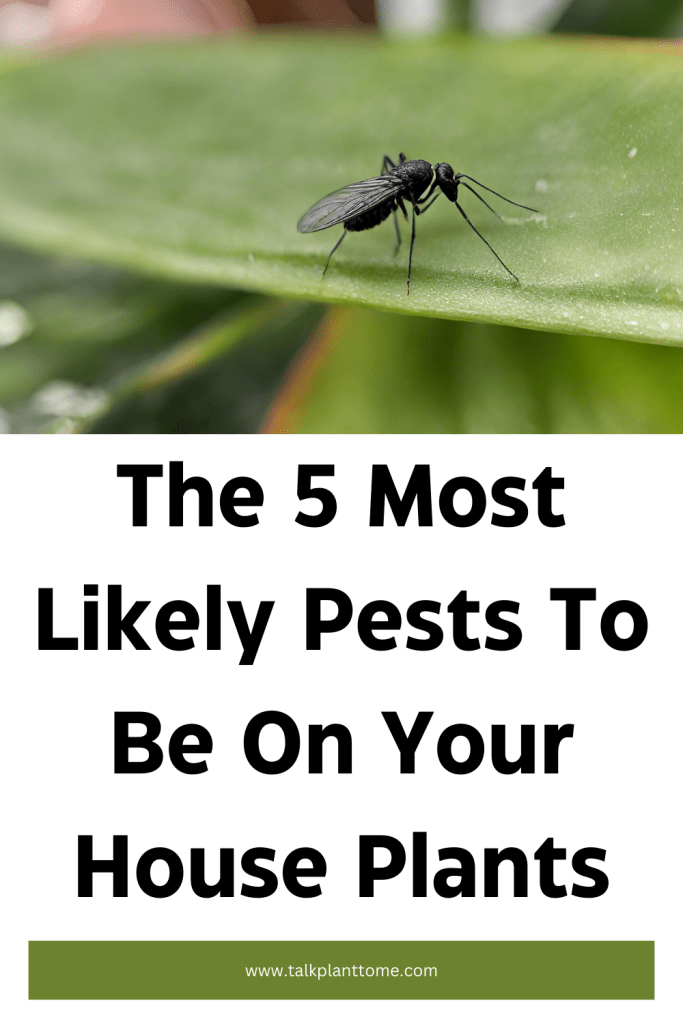
Fungus Gnats: These small, black flies are often seen hovering around your plants. Their larvae live in the soil and feed on plant roots, which can lead to weakened growth. Fungus gnats are attracted to overly moist soil, so allowing the top layer of soil to dry out between waterings can help prevent them. Read here more about how to spot and handle gnats- I have had the most (and worst!) experience with gnats in particular on my plants.

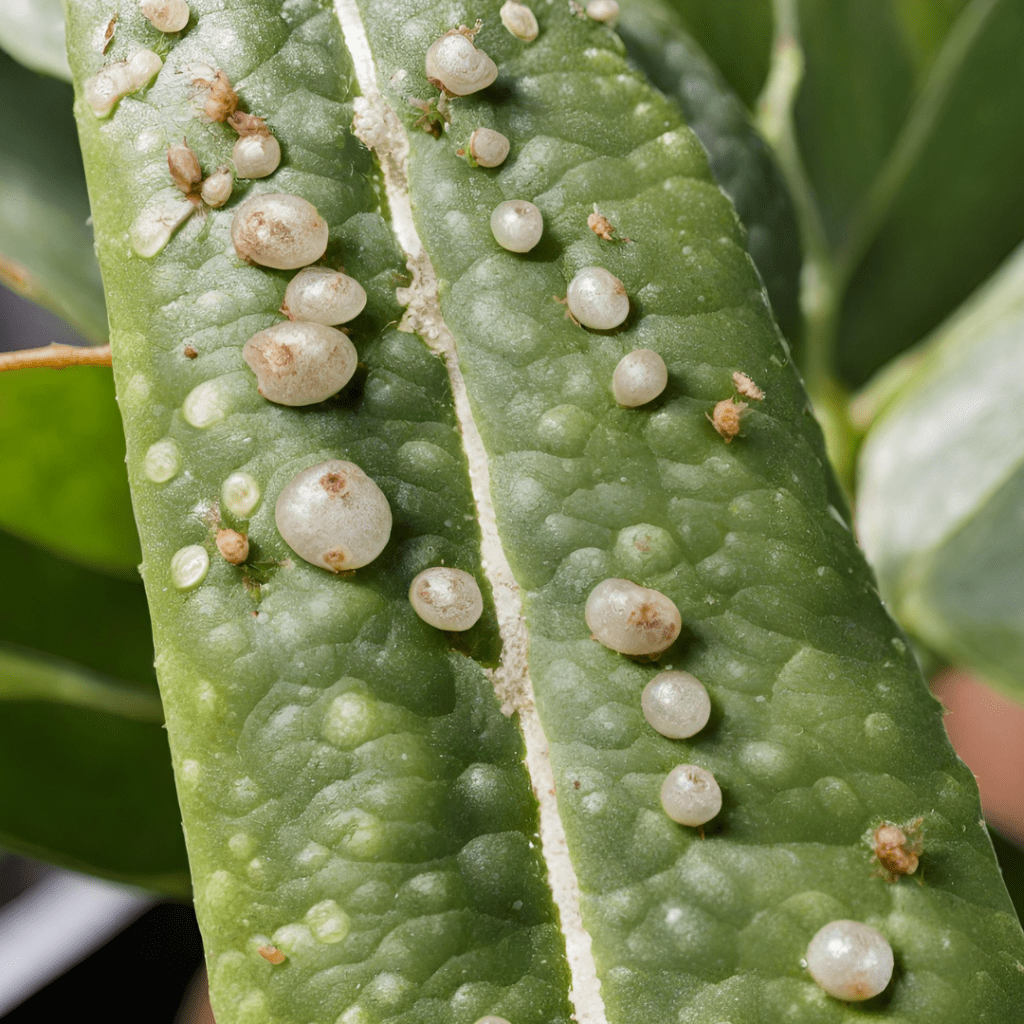
Scale Insects: Scale insects look like small, oval or round bumps on plant stems and leaves. They feed on plant sap and can cause yellowing, wilting, or distorted growth. Scale insects are protected by a hard, shell-like covering, making them challenging to remove.
To prevent and manage these common pests, consider the following tips:
- Regular Inspection: Routinely check your houseplants for signs of pests, such as discolored leaves, sticky residue, or tiny insects.
- Isolation: Isolate new plants for a few weeks to ensure they are pest-free before introducing them to your existing collection.
- Pruning and Quarantine: Prune affected plant parts and quarantine infested plants to prevent the pests from spreading.
- Natural Predators: Introduce natural predators like ladybugs or predatory mites to help control aphid or spider mite infestations.
- Neem Oil or Insecticidal Soap: Use neem oil or insecticidal soap to treat your plants if you notice pests. Follow the product instructions carefully.
- Repotting: If an infestation persists, consider repotting your plant with fresh soil to remove any hidden pests or eggs.
- Maintain Good Plant Care: Healthy, well-cared-for plants are less susceptible to pests, so ensure your houseplants receive appropriate light, water, and nutrition.
By staying vigilant and taking proactive measures, you can keep your houseplants healthy and pest-free, allowing them to thrive indoors.
Talk Plant To Me
If you enjoyed this article on The 5 Most Likely Pests To Be On Your House Plants then you probably (hopefully!) will find these articles helpful as well:
 | Talk Plant To Me |