
Are you ready to turn your garden into a zucchini paradise? Whether you’re a seasoned green thumb or just starting out, growing zucchinis can be incredibly rewarding. These versatile veggies are not only delicious but also relatively easy to cultivate, making them a favorite among home gardeners.
In this post, we’re sharing 12 actually helpful tips for growing zucchinis that will ensure a bountiful harvest. From choosing the right variety and preparing your soil to watering techniques and pest control, we’ve got all the insights you need to grow healthy, productive zucchini plants. So, grab your gardening gloves and let’s dive into the essential tips that will take your zucchini-growing game to the next level!
Ready to harvest the best zucchinis you’ve ever grown? Let’s get started!
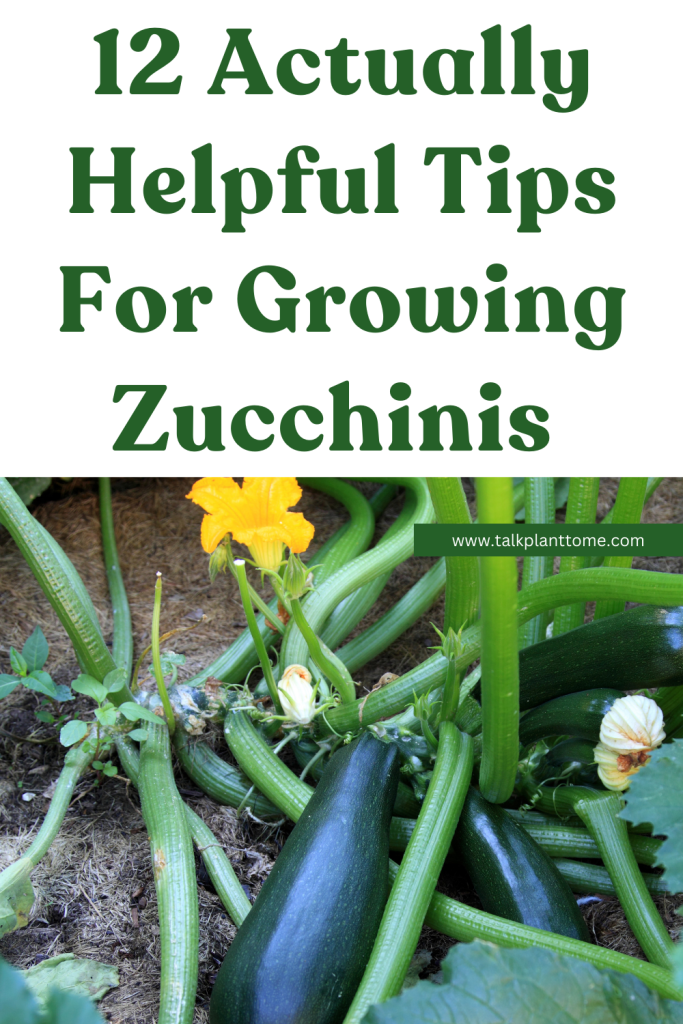
12 Actually Helpful Tips For Growing Zucchinis
How to grow a zucchini plant:
1. Choosing the Right Variety
- Types: There are many varieties of zucchini, including bush and vining types. Bush varieties are more compact and suitable for small gardens or containers, while vining types need more space to spread. There also is varieties that do better in warmer vs colder climates. So do a little research on your plant zone and the zucchinis that thrive the best in your zone.
- Seed Selection: Choose seeds from a reputable source to ensure good germination and healthy plants. In general you are find purchasing from the major stores but if the seeds look off then toss them and try new ones. In general though you are best off purchasing from local plant nurseries and farmers.
2. Planting Time
- Temperature: Zucchini plants overall thrives in warm weather. Plant your seeds or seedlings after the last frost date when the soil temperature is at least 60°F (aka 15.5°C). If you are worried about random late season freezes (been known to happen in Ohio) then take a little caution and plant when you have confidence there won’t be freezes.
- Location: Select a sunny spot in your garden that receives at least 6-8 hours of direct sunlight per day. Also remember that other plants around them can block sunlight as they grow so only plant also lower to the ground plants around your zucchini plants.
3. Soil Preparation
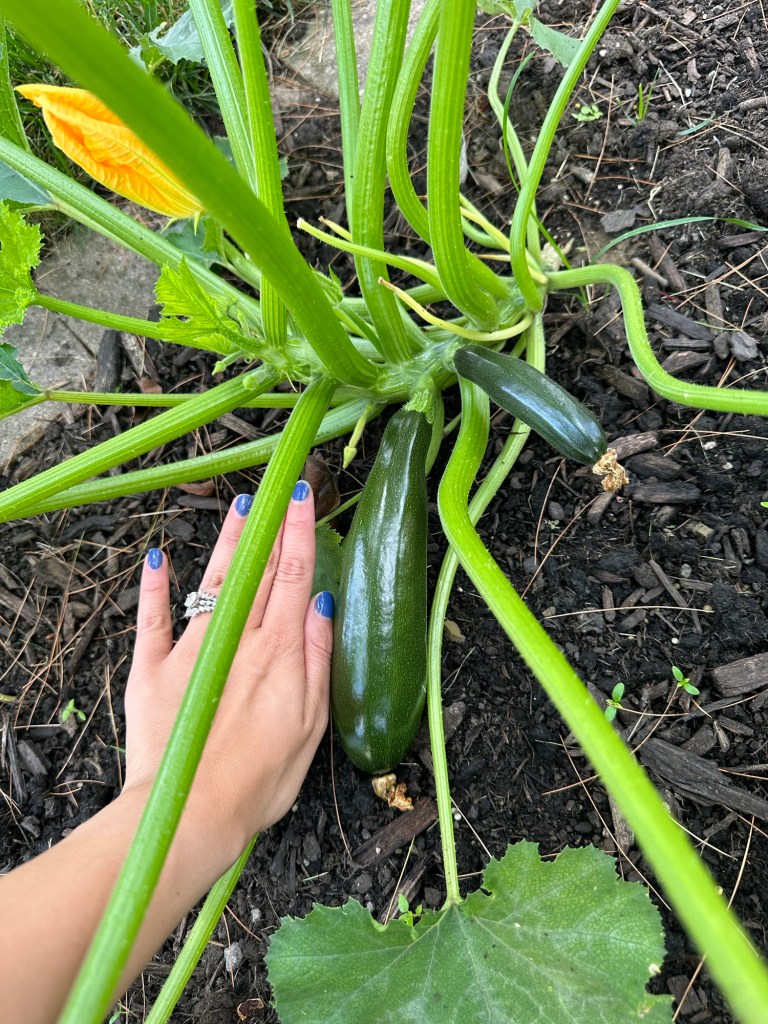
- Soil Type: Zucchini prefers well-draining, fertile soil with a pH between 6.0 and 7.5. If you are opting for container gardening make sure that there is draining in your container or the zucchini roots will get drowned and may not produce many or any zucchinis.
- Amendments: Enrich the soil with compost or well-rotted manure to provide essential nutrients and improve soil structure.
4. Planting Technique
- Spacing: Space plants about 2-3 feet apart for bush varieties and 3-4 feet apart for vining varieties to ensure adequate air circulation and prevent disease. Remember if one plant gets affected with a disease brought by a pest or animal if they are touching leaves of others it can spread.
- Depth: Plant seeds about 1 inch deep. If using seedlings, plant them at the same depth they were in their pots. Including if you pre grew your seeds in containers inside first (this is what I usually opt for in a shorter growing climate).
5. Watering
- Consistency: Keep the soil consistently moist but not waterlogged. Zucchini needs to generally have watered soil. If you are growing in the ground you will be unlikely to overwater but if you are container gardening be cautious not to over water them. Stick a finger in until your second knuckle and only water if the soil you touch is completely dry.
- Method: Water at the base of the plants to avoid wetting the foliage, which can lead to fungal diseases. Drip irrigation or soaker hoses also can work well.
6. Mulching
- Benefits: Apply a layer of mulch around the plants to retain soil moisture, suppress weeds, and regulate soil temperature. But avoid dyed mulch and opt for natural so they dyes don’t leak onto your produce. But always remember to wash your veggies even when they come from your own garden.
- Types: Organic mulches such as straw, grass clippings, or compost are also excellent choices.
7. Fertilizing
- Initial Feeding: Apply a balanced fertilizer (10-10-10) at planting time to promote healthy growth right off the bat. This will help to set your zucchini up for success.
- Ongoing Nutrition: Side-dress with compost or a balanced fertilizer every 3-4 weeks during the growing season. This means when your zucchini is actively producing, if you fertilize too much beforehand it can be a nutrient overload that can damage or even kill the plant.
8. Pest and Disease Management
- Common Pests: Watch out for squash bugs, cucumber beetles, and vine borers. Use insecticidal soap or neem oil as needed. Trust me, you will know when the pests are making your zucchini plant their daily breakfast, lunch, and dinner.
- Disease Prevention: Rotate crops annually to prevent soil-borne diseases. Practice good garden hygiene by removing plant debris and using disease-resistant varieties.
9. Pollination
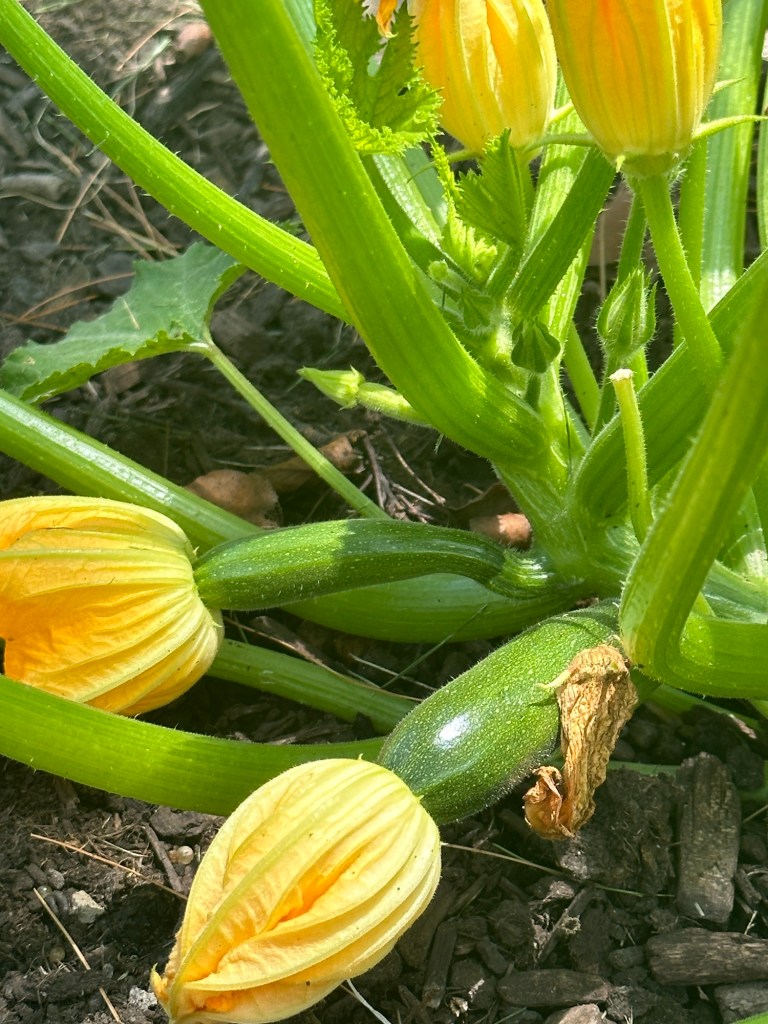
- Hand Pollination: If fruit production is low, consider hand-pollinating flowers by transferring pollen from male flowers to female flowers using a small brush or by gently rubbing the flowers together. This is advanced and honestly not something I have done enough to give additional tips on but consider it if you aren’t getting any production.
10. Harvesting
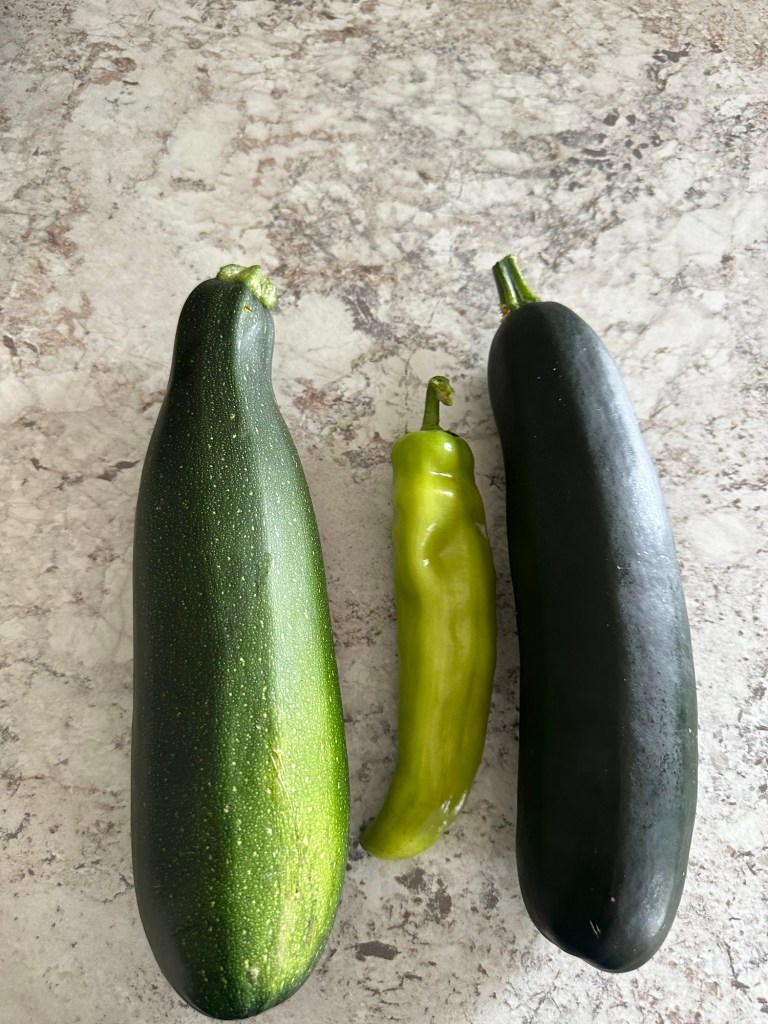
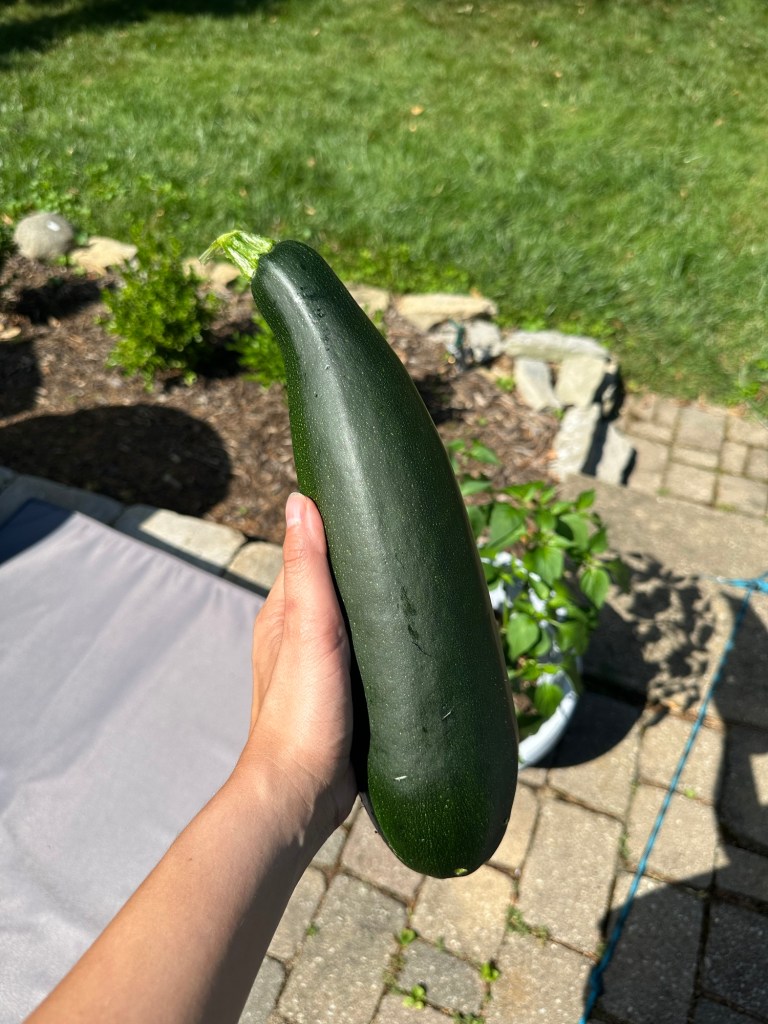
- Timing: Harvest zucchini when they are about 6-8 inches long for the best flavor and texture. Check plants daily during peak production, as zucchini can grow quickly.
- Method: Use a sharp knife or scissors to cut the zucchini from the vine, leaving a small portion of the stem attached to the fruit. And make sure to clean the device you use to harvest first because if there is rust or diseases on it then it can kill the rest of the plant!
11. Succession Planting
- Continuous Harvest: To extend the harvest season, plant new seeds every 2-3 weeks until mid-summer. I prefer to opt for every 3 weeks due to living in a slower growing climate but if you live somewhere warmer you can get a lot more successive growth and do closer to every 2 weeks.
12. Supporting Vines
- Trellising: For vining varieties, consider using a trellis to support the plants and save space. Train the vines to climb the support as they grow.
Talk Plant To Me
If you enjoyed this article on 12 Actually Helpful Tips For Growing Zucchinis then you probably (hopefully!) will enjoy and find these articles helpful as well:


One thought on “12 Actually Helpful Tips For Growing Zucchinis”