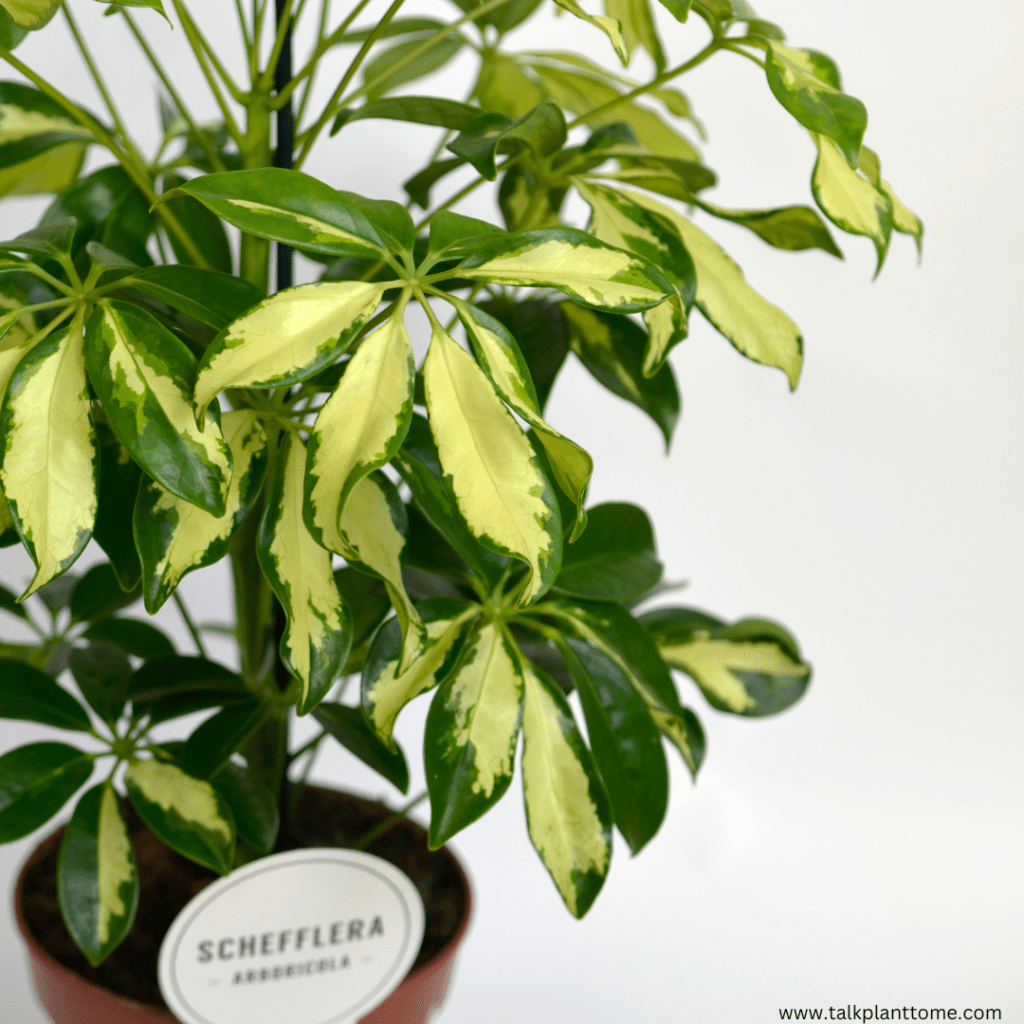
The umbrella plant, AKA Schefflera, is a popular (for great reasons!) and easy-to-care-for houseplant that brings a touch of greenery and elegance to any space. With its glossy, umbrella-like leaves that fan out in a unique pattern, it’s no wonder this plant has become a favorite among both beginner and experienced plant parents.
Whether you’re looking to add a low-maintenance plant to your home or already have an umbrella plant that could use a little extra TLC, understanding its care needs is the key to helping it thrive.
In this article, we’ll cover everything you need to know about caring for and growing an umbrella plant. From choosing the right spot and watering correctly to tips on pruning and propagation, this guide has you covered. The great thing about the umbrella plant is that it’s resilient and adaptable, making it a great choice even if you don’t have the greenest thumb.
So, let’s dive into the essentials and learn how to keep your umbrella plant healthy, lush, and thriving!

How To Care For and Grow an Umbrella Plant
Tips and steps for caring for an umbrella house plant:
Step 1: Choosing the Right Location
The first step to growing a healthy umbrella plant is picking the right spot. Umbrella plants thrive in bright, indirect light. They can tolerate some lower light conditions, but they won’t grow as fast and may become leggy. If the plant is getting too much direct sunlight, the leaves may burn or become discolored. A spot near an east or west-facing window is usually perfect. If your light is limited, consider supplementing with a grow light to keep your plant happy.
Step 2: Selecting the Right Pot and Soil
When potting your umbrella plant, choose a pot that has good drainage. Standing water can lead to root rot, which is one of the few things that can quickly kill this otherwise resilient plant. A pot with a drainage hole is essential. As for soil, a well-draining potting mix is ideal.
You can use regular indoor plant potting soil, but mix in some perlite or coarse sand to improve aeration and drainage. Umbrella plants like slightly acidic soil, so if you want to get technical, aim for a soil pH of around 6.0-6.5.
Step 3: Watering Your Umbrella Plant
Watering is (unfortunately) one of the trickiest parts of umbrella plant care!
These plants prefer to dry out a bit between waterings, so it’s better to underwater than overwater. Let the top 1-2 inches of soil dry out completely before watering again. When you do water, give it a good soak and let the excess drain away. Empty any water that collects in the saucer to avoid root rot. In the winter, when the plant’s growth slows down, reduce your watering frequency.
Step 4: Providing the Right Humidity
Umbrella plants naturally grow in tropical environments, so they appreciate higher humidity levels. While they can tolerate typical indoor humidity, they’ll do even better if you boost the moisture in the air. You can do this by misting the plant regularly, placing it near a humidifier, or using a pebble tray filled with water. If your home is particularly dry, especially in the winter, consider grouping your plants together to create a more humid microenvironment.
Step 5: Fertilizing for Growth
To encourage strong, lush growth, feed your umbrella plant during the growing season (spring and summer). Use a balanced, water-soluble fertilizer every 4-6 weeks. Dilute the fertilizer to half-strength to avoid overfeeding, which can lead to burnt roots or yellowing leaves. In the fall and winter, when the plant’s growth naturally slows down, you can stop fertilizing until spring arrives again.
Step 6: Pruning and Shaping
Umbrella plants are fast growers and can get quite tall and bushy if left unchecked.
Regular pruning helps keep them at a manageable size and encourages fuller, bushier growth. Use clean, sharp scissors or pruning shears to cut back leggy stems. You can also prune the tips of the plant to promote branching. Pruning isn’t just for aesthetics—it also helps the plant stay healthy by removing any dead or damaged leaves.
Step 7: Repotting Your Umbrella Plant
As your umbrella plant grows, it will eventually outgrow its pot. A good rule of thumb is to repot every 1-2 years, or when you notice roots growing out of the drainage holes. Choose a pot that’s only slightly larger than the current one—about 2 inches wider in diameter. Repotting in the spring gives your plant the best chance to adjust and thrive in its new container. When repotting, refresh the soil and check the roots for any signs of rot or disease.
Step 8: Propagating Your Umbrella Plant
If you’re looking to grow more umbrella plants or share them with friends, propagation is a fun and easy way to do it. The most common method is stem cuttings.
Cut a healthy stem that’s at least 4-6 inches long, with a few leaves attached. Let the cutting dry out for a couple of hours to form a callus, then plant it in a pot with fresh, moist soil. Keep the soil lightly moist and place the cutting in bright, indirect light. In a few weeks, you should see new roots forming.
Common Issues and Troubleshooting
Even though umbrella plants are relatively low-maintenance, they can run into a few problems. Here’s how to troubleshoot some common issues:
- Yellow Leaves: If the leaves start turning yellow, it’s usually a sign of overwatering. Let the soil dry out more between waterings, and make sure your pot has good drainage.
- Brown Leaf Tips: Brown tips can be caused by low humidity or inconsistent watering. Try misting your plant more often or setting up a humidifier nearby.
- Drooping Leaves: Drooping leaves can be a sign of underwatering, but it can also happen if the plant is in shock from being moved or repotted. Check the soil moisture and adjust your watering routine if needed.
- Pests: Like most houseplants, umbrella plants can attract pests like spider mites or aphids. Regularly inspect your plant for any signs of bugs, especially on the underside of the leaves. If you notice pests, treat the plant with insecticidal soap or neem oil.
Tips for Keeping Your Umbrella Plant Healthy
- Rotate Your Plant: To keep growth even and prevent your plant from leaning toward the light, rotate it every couple of weeks.
- Clean the Leaves: Dust can accumulate on the leaves, blocking light and reducing the plant’s ability to photosynthesize. Wipe the leaves down with a damp cloth every month or so.
- Watch for Legginess: If your plant is getting leggy (stretched out with sparse leaves), it may need more light. Move it to a brighter spot, but avoid direct sunlight that could scorch the leaves.
- Be Patient with New Growth: Umbrella plants can be slow to show new growth after repotting or pruning. Give it time and continue providing consistent care.
- Keep an Eye on Temperature: These plants prefer temperatures between 60-75°F (16-24°C). Avoid placing your umbrella plant near drafts, heaters, or cold windows.
Talk Plant To Me
If you enjoyed this article on How To Care For and Grow an Umbrella Plant then you probably (hopefully!) will enjoy and find these articles helpful as well:
 | Talk Plant To Me |