
Growing your own lettuce is one of the easiest and most rewarding gardening projects, perfect for anyone from beginners to seasoned gardeners. And anyone in-between! Whether you’re aiming for crisp romaine, tender butterhead, or vibrant leaf lettuce, a homegrown supply of fresh greens is just a few steps away. Lettuce thrives generally in cooler weather, so you can get a head start in early spring or enjoy a fall harvest, and with a few basic tips on soil prep, watering, and pest control, you’ll have a healthy, thriving crop.
In this guide, we’ll cover everything you need to know to grow lettuce in your garden—from choosing the right variety and prepping your soil to tips on spacing, watering, and harvesting for the best results. You’ll even find a few expert tips to make sure your lettuce stays crisp, flavorful, and pest-free. Let’s get planting so you can enjoy fresh salads and delicious greens all season long!
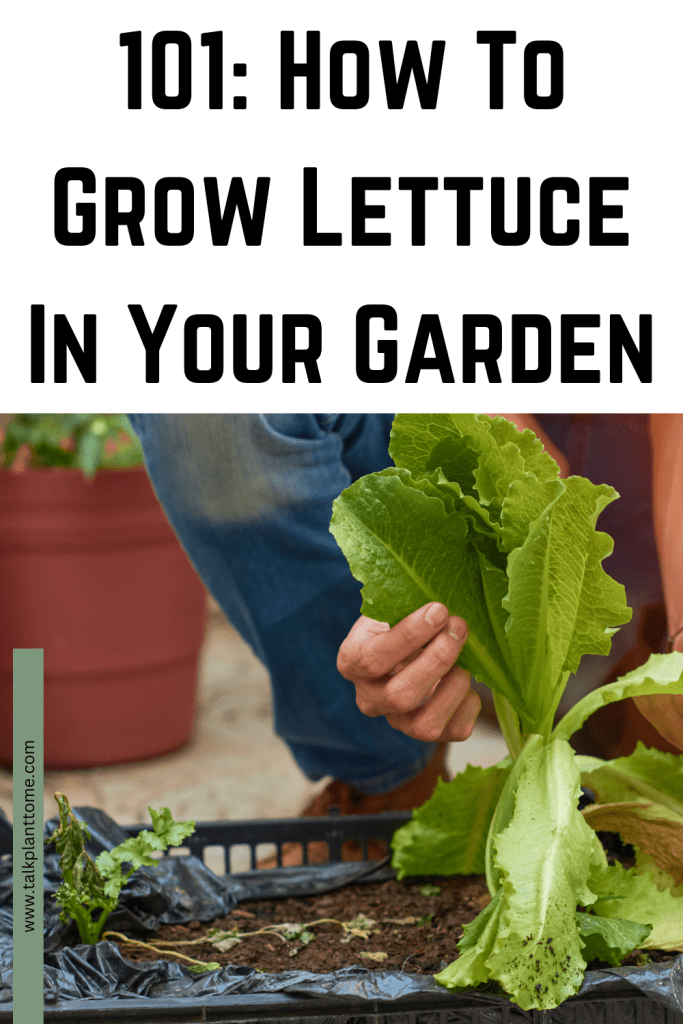
101: How To Grow Lettuce In Your Garden
Steps for growing lettuce:
1. Choose the Right Lettuce Variety
- Lettuce comes in several varieties: leaf, romaine, butterhead, and crisphead. Leaf lettuce is one of the easiest to grow, but pick a type that suits your climate and tastes. Leaf and romaine types are faster-growing and can be harvested multiple times.
- Think about what you like to use the lettuce for – that helps to narrow down which varieties I want in any given year.
2. Pick the Right Location
- Lettuce thrives in cooler weather, so choose a spot with partial shade to prevent it from bolting in warmer temperatures. If you’re in a hot climate, consider a shaded location to protect it from the afternoon sun.
3. Prepare the Soil
- Lettuce grows best in loose, well-draining soil with plenty of organic matter. Use a garden fork to loosen the soil, and mix in compost or well-rotted manure to enrich it. Aim for a slightly acidic to neutral pH level (6.0-7.0).
4. Sow Seeds Directly or Start Indoors
- You can plant lettuce seeds directly in the garden or start them indoors a few weeks before the last frost.
- If planting directly, sow seeds 1/4 inch deep, and space them 4-6 inches apart. For indoor starts, transplant them once they’re about 3 inches tall and strong.
5. Water Regularly
- Lettuce requires consistent moisture to grow well, so water it regularly, aiming to keep the soil consistently moist but not waterlogged. Water in the morning to prevent leaves from staying wet overnight, which can lead to disease that isn’t the easiest to handle.
6. Thin the Seedlings
- Once your seedlings are a few inches tall, thin them to allow each plant enough space to grow. Leaf lettuce varieties should be spaced about 4-6 inches apart, while larger varieties like romaine need 8-12 inches. Use scissors to cut excess seedlings rather than pulling them to avoid disturbing the roots.
7. Apply Mulch to Retain Moisture
- Mulch around your lettuce plants with straw or shredded leaves. This helps retain soil moisture, keeps roots cool, and minimizes weed growth.
8. Fertilize Lightly
- Lettuce is a light feeder, so apply a balanced, slow-release fertilizer once after thinning, or use a liquid fertilizer every 2-3 weeks. Too much nitrogen can make the leaves bitter, so stick to a balanced formula.
9. Monitor for Pests
- Lettuce is susceptible to pests like slugs, aphids, and caterpillars. Regularly inspect your plants, and remove pests by hand or spray with organic insecticidal soap if necessary.
- Bonus tip- For slugs, use crushed eggshells or coffee grounds as a barrier around your plants.
10. Harvest Your Lettuce
- Lettuce can be harvested as soon as leaves reach a usable size, usually 6-8 weeks after planting. For leaf varieties, use the “cut and come again” method, snipping outer leaves and allowing the center to keep growing. For head lettuce, wait until the heads are full and firm, then cut them at the base.
11. Succession Plant for Continuous Harvest
- For a continuous supply of fresh lettuce, plant seeds every 2-3 weeks. This will give you a steady harvest throughout the growing season, so you can enjoy fresh lettuce all year long if the weather permits.
12. Store and Enjoy
- Harvested lettuce can be stored in the fridge for up to a week. Wash and dry it thoroughly, and keep it in a sealed container to maintain freshness.
Tips for growing lettuce:
1. Plant Lettuce in Succession
- Instead of planting all your lettuce seeds at once, sow small batches every two weeks. This way, you’ll have a steady harvest rather than an overwhelming amount all at once.
2. Choose the Right Time of Year
- Lettuce prefers cooler weather (ideally between 45-75°F). Try to plant early in the spring and again in late summer for a fall harvest. If you live in a warmer climate, you can plant in fall and even winter, depending on your region.
3. Use Shade Cloth in Hot Weather
- If temperatures rise above 75°F, a shade cloth can prevent bolting (when lettuce goes to seed too early). Bolting can make the leaves bitter, so keeping lettuce cool is key to extending the growing season.
4. Try Interplanting with Other Crops
- Lettuce grows well with plants like carrots, radishes, and onions. These companions can shade lettuce and help conserve soil moisture, making them perfect garden partners. Avoid planting with brassicas like cabbage, which can attract pests that might also affect your lettuce.
5. Practice Crop Rotation
- Rotate lettuce with other crops each season to reduce pest and disease buildup in the soil. Avoid planting lettuce in the same spot in consecutive years to help prevent soil-borne diseases.
6. Water at the Base of the Plant
- Instead of watering over the leaves, water at the base of the plant to prevent fungal diseases. Drip irrigation or a soaker hose works great to keep the soil moist without wetting the foliage.
7. Harvest in the Morning
- Lettuce leaves are crispier and more flavorful when harvested in the morning before the day heats up. This is when the leaves have the most moisture, making them less prone to wilting.
8. Use a Row Cover to Keep Pests Away
- Lightweight row covers can protect young lettuce from pests like aphids and leaf miners. Just be sure to remove the covers when temperatures rise to allow for air circulation and avoid overheating.
9. Experiment with Different Varieties
- Growing several types of lettuce (like leaf, romaine, butterhead, and oakleaf) not only adds visual interest but also ensures you have options that may tolerate heat or cool weather better than others.
10. Add Epsom Salt to Soil if Needed
- If you notice yellowing leaves, your soil may lack magnesium. Sprinkling a small amount of Epsom salt (a natural magnesium source) around the base of your lettuce can improve leaf color and growth.
11. Plant in Containers for Easy Management
- Lettuce does well in containers, especially if you have limited garden space. Container-growing allows you to move the plants to a shaded area in hot weather and keeps pests at bay.
12. Keep an Eye Out for Slugs and Snails
- Slugs and snails love lettuce! Use organic methods to deter them, such as diatomaceous earth around the base of plants, or place shallow bowls of beer nearby, which can attract and trap them.
13. Add Coffee Grounds to Soil
- Coffee grounds can slightly acidify the soil and act as a mild pest deterrent for lettuce plants. Sprinkle them sparingly around the base of your plants for an added boost.
- Read more about coffee grounds benefits for gardening and house plants here: Which Plants Thrive With Coffee Grounds in Their Soil
Growing your own lettuce is a rewarding and relatively simple gardening project that lets you enjoy fresh greens right from your backyard. Happy gardening!
Talk Plant To Me
If you enjoyed this article on 101: How To Grow Lettuce In Your Garden then you probably (hopefully!) will enjoy and find these articles helpful as well:
 | Talk Plant To Me |