So if you are reading this site you are probably a plant parent who adores their leafy babies. But, sometimes that love can be suffocating or more like drowning to them! We all think about the importance of remembering to water our house plants. But sometimes we overcorrect that and end up overwatering.
And if you are thinking “well there can’t be too much of a good thing right”?! Well sadly that’s not true for plants (or cheesecake unfortunately!). Overwatering your plants can cause this awful disease called root rot. And root rot is close to a death sentence for your plants. Shockingly it is more likely to kill your plant if you over water them weekly than forgetting to water for a few weeks.
And that not-so-obvious problem of overwatering is what we are going to chat about today so you don’t fall into the overwatering trap!
Let’s get into it so you can grow the most healthy and thriving plants you can-
Why Overwatering Plants Is The Worst Thing For Them!
Wait so why is overwatering plants so bad?
Think of overwatering like wearing wet socks all day. Gross, right? That’s how your plants feel when they’re drowning in too much water. Overwatering causes the soil to become waterlogged, depriving the roots of oxygen. Without oxygen, the roots can’t “breathe” (yes, they breathe!) and do their job of absorbing nutrients. It’s like trying to eat a burrito while holding your breath—impossible and tragic.
Here’s the kicker: overwatered roots are a breeding ground for root rot. Root rot is the grim reaper of houseplants, turning healthy roots into slimy, stinky mush.
And the follow up punch is that root rot is basically incurable once it has spread throughout the plant. If you are lucky to catch it soon enough you can cut off the damaged roots and let the plant dry out! But if it’s spread (and it does spread quickly especially if you are still overwatering it) to too many roots by the time you catch it the plant is gone. And sadly if you are seeing signs like mushy leaves above the soil it is too late.
Sounds scary right? Well honestly it is and that’s why we are going to talk about signs you are headed down an overwatering path.
Signs You’re Overwatering (Or Already Have)
Your plants are surprisingly vocal about overwatering—if you know what to look for. Here are the SOS signals they send that you need to watch out for:
- Yellowing Leaves: Your plant is basically waving a caution flag and telling you something is up. Though, yellow leaves could be a result of a lot of other issues too so it’s not always the best warning sign.
- Wilting, Even When the Soil is Wet: This is your plant’s dramatic way of saying, “You’re literally killing me.” It’s a clear sign that you are basically drowning your poor house plant.
- Moldy Soil: Ew. Your plant pot is not a petri dish. And yes, those little white blobs? That’s mold not just your soil.
- Soft, Mushy Stems: That’s not a succulent—it’s a soggy mess. Just use your finger and give a light squeeze – plants that have been overwatered will feel softer rather than “crisp” on their stems.
- A Smell That Makes You Gag: Root rot has entered the chat. It might be over but it’s worth pulling the plant out of its pot and checking the damage- it could be fixable if the rot hasn’t spread too far.
If any of these sound familiar, don’t panic—rescue is possible! But first, let’s talk about why you should avoid this mess in the future.
How to Water Like a Pro
Alright, enough doom and gloom. Let’s talk solutions. Watering your plants correctly isn’t rocket science—it’s all about understanding their unique needs. Here’s how to hydrate responsibly:
- Check the Soil
The best way to know if your plant needs water is to stick your finger in the soil. If the top 1-2 inches feel dry, it’s time to water. If it’s still damp, step away from the watering can! - Understand Your Plant’s Personality
Different plants have different hydration needs. Your snake plant? A camel in disguise—it thrives on neglect. Your peace lily? A drama queen that faints at the first sign of thirst. Know thy plant! - Drainage Is Key
Always, and I mean always, use pots with drainage holes. Otherwise, water has nowhere to go, and you’re basically forcing your plant to live in a swamp. - Use the Right Soil
Fast-draining soil is your plant’s best friend. Look for mixes designed for houseplants or specific varieties like cacti and succulents. - Water Evenly
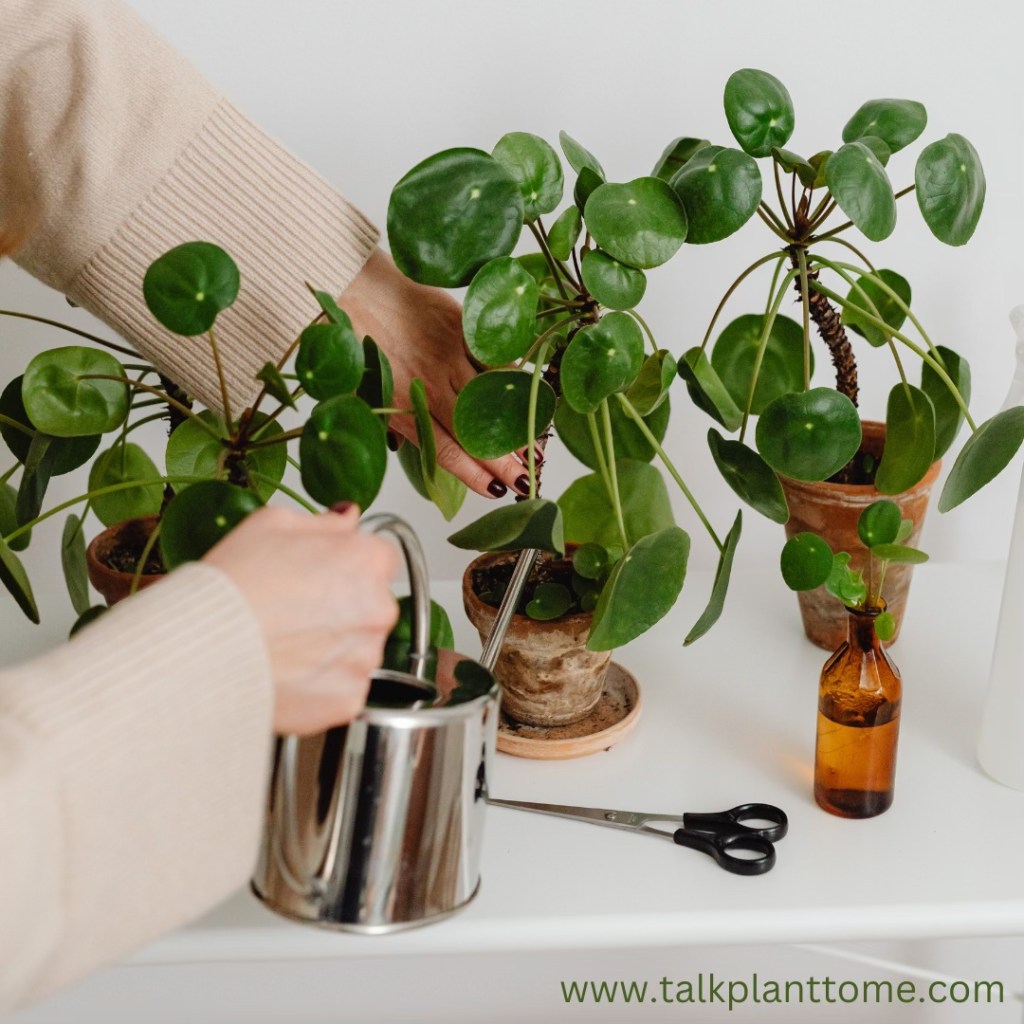
Pour water evenly across the surface of the soil until you see it drain out the bottom. This ensures the roots get a nice, even drink. - Schedule Wisely
Plants don’t all want water on the same day. Pay attention to their needs and adjust your routine. And for the love of pothos, don’t water on autopilot!
What to Do If You’ve Overwatered
Oops, you overwatered? Don’t worry—plant parenthood is all about learning from your mistakes. Here’s how to make amends:
- Stop Watering Immediately
Put down the watering can and step away. Seriously, back up. Another 10 feet. Okay now take a note of what day you most recently watered it. - Check the Roots
Gently remove the plant from its pot and inspect the roots. Trim away any mushy, blackened bits with clean scissors. If it seems on the fence get rid of it- you don’t want any disease to spread even if it doesn’t currently look too bad. - Repot in Fresh Soil
Replace the soggy soil with a fresh, well-draining mix. Make sure the pot has drainage holes (this bears repeating because it’s that important). - Let It Dry Out
After repotting, give your plant time to recover. It needs time to breathe and settle into its new soil. I recommend waiting a minimum of 14 days before you try watering it again. And only if the soft stems, leaves, roots etc. have totally dried out!
Now let’s wrap it up-
Your plant doesn’t need a flood—it just needs a drink. Think of watering like offering a friend a glass of water, not a fire hose. Overwatering is bad because it drowns roots, starves your plant of nutrients, and invites all sorts of nastiness. But with a little awareness and a lot of love, you can avoid this common pitfall.
So, fellow plant enthusiasts, let’s raise our watering cans (metaphorically) to smarter, healthier plant care in the new year. Hydrate responsibly, laugh at your mistakes, and remember—the joy of houseplants is all about learning and growing together. Now go check your soil and give your plant babies the care they deserve. Cheers to greener thumbs!
 | Talk Plant To Me |