So the stunning Boston fern caught your eye too? I don’t blame you they are the star of the show!
BUT if you’ve ever brought home a fern with dreams of turning your living room into a botanical wonderland only to have your heartbroken… well you are not alone.
Here’s the deal my friends: Boston ferns (Nephrolepis exaltata, if we are getting technical) are absolutely gorgeous, but they’re also dramatic divas. They love humidity, crave constant attention and even can basically throw a tantrum if conditions aren’t just right. AKA shedding leaves, drooping, stunted growth ya know the normal plant tantrum!
But don’t worry guys, I’m here to help you navigate the chaos. With a little know-how and some patience, you can grow a happy, thriving Boston fern that looks like it belongs on Pinterest. So let’s get into it!

An Actually Helpful Guide to Growing Boston Ferns
Boston Ferns Guide:
1. Understand Your Fern:
First things first guys- Boston ferns are tropical plants. They originally come from humid forests, which means they’re used to filtered light, consistent moisture, and air that’s practically dripping with humidity. So, if you’re treating your fern like a cactus, it’s probably plotting its dramatic exit already.
Here’s what that means for you: to make a Boston fern happy, you need to mimic its natural environment as much as possible. Think bright but indirect light, moisture for days, and some serious humidity.
The good news? You don’t need to move to the rainforest to make this happen. With a few simple tweaks, you can turn your home into a fern-friendly paradise!!
2. Light:
If Boston ferns could talk, they’d say, “I like light, but don’t you dare burn me.” Direct sunlight? Too harsh. Total shade? Not enough energy to thrive. What they want is that sweet spot of bright, indirect light.
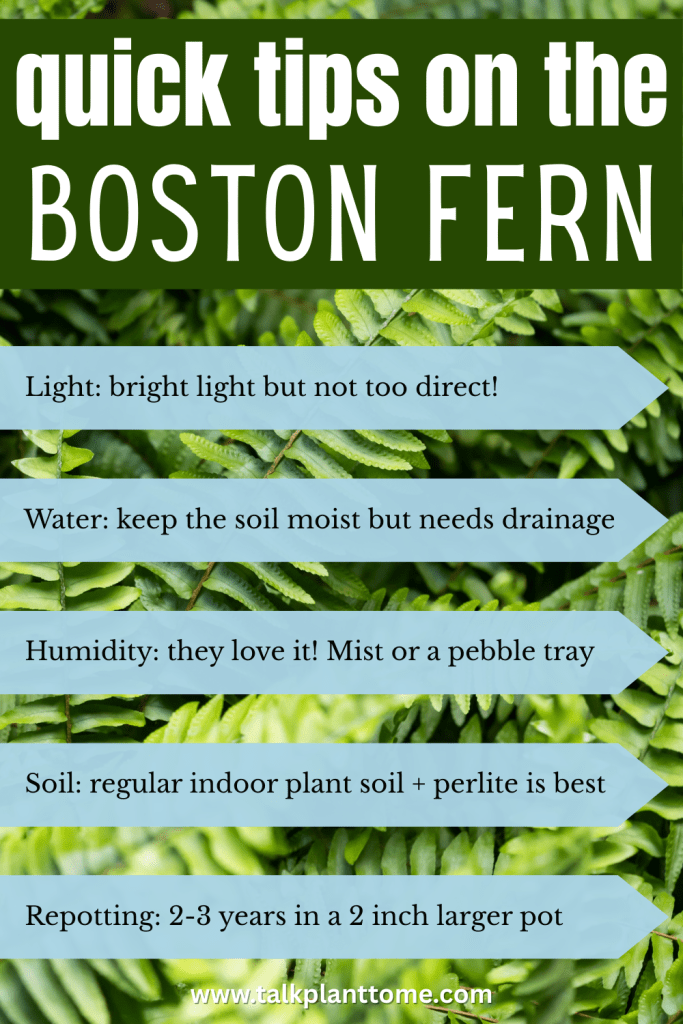
- Place your fern near a north- or east-facing window where it gets gentle morning light but no harsh afternoon rays.
- If your windows are too sunny, try placing the plant a few feet away or using a sheer curtain to diffuse the light.
Pro tip: if your fern’s fronds are turning yellow or crispy, it’s probably getting too much light. Move it somewhere a bit shadier, and she’ll forgive you (eventually).
3. Watering:
Let’s talk watering, because this is where a lot of us go wrong. Boston ferns love moisture, but they hate sitting in water. Think of it like this: your fern wants to be hydrated, not drowned.
How to water like a pro:
- Check the soil often. Boston ferns like their soil to stay evenly moist, not bone dry or waterlogged. A good rule of thumb? Water when the top inch of soil feels slightly dry.
- Use room temperature water. Cold water can shock the roots, and nobody likes surprises like that.
- Drainage is key. Always plant your fern in a pot with drainage holes to let excess water escape. Letting your fern sit in soggy soil is the fastest way to root rot, and root rot is every plant parent’s worst nightmare.
If you notice crispy, brown tips on the fronds, your fern is probably thirsty. Give it a good drink, but don’t go overboard okay! You don’t want to swing too far in the other direction.
4. Humidity:
If there’s one thing Boston ferns absolutely love, it’s humidity. In their ideal world, they’re lounging in 60-80% humidity. In reality, most of our homes are more like 30-40%, especially in the winter when the heat is cranked up and the air is drier than a bad breakup.
Here’s how to bring the rainforest vibes to your living room:
- Mist it regularly. Grab a spray bottle and give your fern a light misting every day or two. Just don’t overdo it—you’re going for dewy, not drenched.
- Use a pebble tray. Place your fern’s pot on a tray filled with water and pebbles. As the water evaporates, it creates a little humidity bubble around your plant.
- Invest in a humidifier. This is the ultimate hack for fern lovers. A humidifier keeps the air consistently moist, and your fern will reward you with lush, happy fronds.
Bonus: your skin will love the extra humidity, too. Goodbye, winter dryness!
5. Soil:
Boston ferns are all about that rich, well-draining soil life. The goal is to keep the roots moist but not soggy, which means you need a soil mix that retains moisture and allows excess water to drain out.
You can use a standard indoor potting mix, but for extra fern love, add a little peat moss or coconut coir to help hold in moisture. A bit of perlite will also improve drainage and keep the soil from getting too compact.
6. Fertilizing:
Boston ferns aren’t heavy feeders, but they do appreciate a little nutrient boost during the growing season (spring and summer). Think of fertilizer like a snack for them though- too much, and your fern might start looking burnt and cranky.
- Use a balanced liquid fertilizer (look for one with equal parts nitrogen, phosphorus, and potassium) diluted to half strength.
- Feed your fern once a month in spring and summer, and skip fertilizing in fall and winter when the plant is chilling out.
If you notice brown tips on the fronds, it could be a sign of over-fertilizing. Ease up and give your plant some time to recover.
7. Repotting:
Boston ferns don’t need to be repotted super often, but if you see roots poking out of the drainage holes or the plant is looking cramped, it’s time to give it a new home.
- When to repot: Typically every 2-3 years in spring.
- How to repot: Choose a pot that’s 1-2 inches larger than the current one and refresh the soil to give your fern a nutrient boost.
Be gentle with the roots during repotting—Boston ferns can be a little sensitive, and we don’t want to stress her out.
8. Dealing With Shedding:
One of the quirks of Boston ferns is their tendency to drop leaves (technically called fronds) whenever they’re stressed. If you notice a little shedding, don’t panic! Some of it is normal, especially with older fronds that is just part of the plant life cycle.
However, excessive shedding can be a sign of:
- Low humidity (bump it up with a humidifier or misting).
- Inconsistent watering (check that the soil isn’t too dry or too soggy).
- Too much direct light (move the plant to a shadier spot).
Give your fern some TLC, and it’ll usually bounce back with new growth.
Now let’s wrap it up-
Yes, Boston ferns can be a little high-maintenance. They want their light just so, their humidity high, and their watering on point. But here’s the thing: when you nail the care routine, these plants are absolutely worth it. Their lush, green fronds add a touch of timeless elegance to any space, and honestly? There’s nothing more satisfying than keeping a plant alive and thriving.
So, if you’ve been struggling with a sad, shedding fern, don’t give up! With a little patience, attention, and these tips, you’ll have a Boston fern that looks so healthy, even your non-plant-loving friends will be asking for advice. Go on, you’ve got this—happy growing!
Talk Plant To Me
If you enjoyed this article on An Actually Helpful Guide to Growing Boston Ferns then you probably (hopefully!) will enjoy and find these articles helpful as well:
 | Talk Plant To Me |