
If you’re a small-scale gardener (think backyard beds, raised containers, or a cutie community plot), you might wonder: do I really need to rotate my crops?
The answer is a big, loud YES! Crop rotation isn’t just for large-scale farmers guys!! It’s one of the smartest, easiest ways to keep your soil healthy, your plants strong, and your garden thriving season after season.
When you rotate your plants you are setting your garden up to thrive year after year. Sold? Good! Let’s get into everything you need to know to start crop rotating with ease-
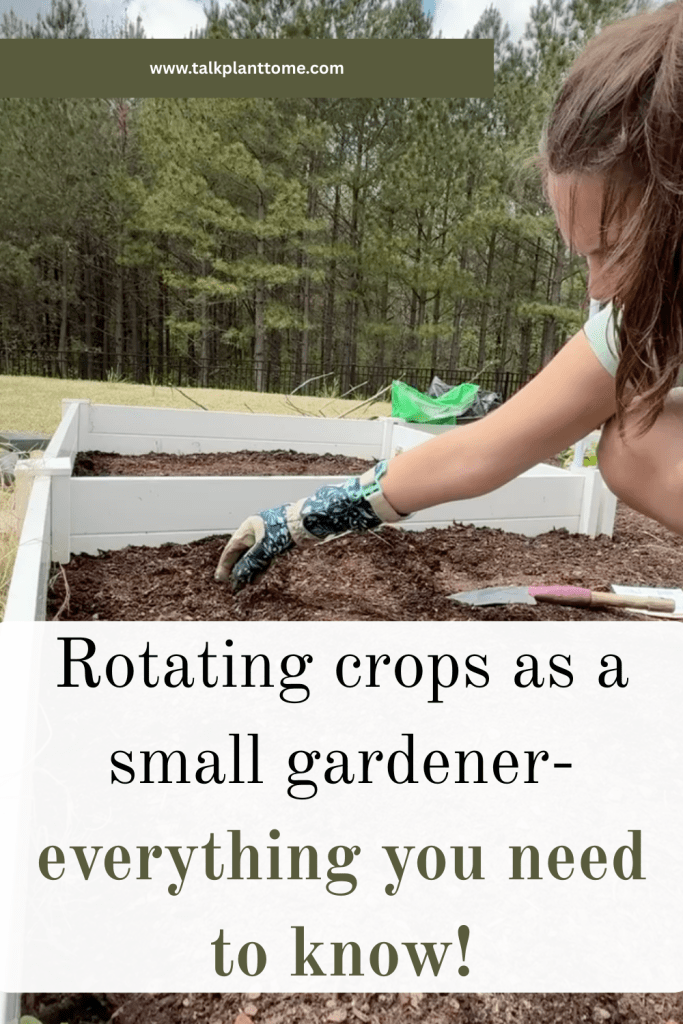
Rotating crops as a small gardener:
Everything you need to know!
So Korra…. what is crop rotation?
Let’s start with the basics!
Crop rotation is the practice of growing different types of crops in the same space over successive seasons or years.
For example- Instead of planting tomatoes in the same bed every summer (guilty!), you move them around and let a different plant family take their spot next time. Why should I do this? Well we are going to chat about it next because crop rotation is soooo helpful to your harvest even in a small garden space!
What are the benefits of rotating crops?
Let’s be real my friends…. gardening already involves a lot of work. So why in the world would you add crop rotation to your to-do list? Because the payoff is so worth it guys I promise!!
Here’s what crop rotation does for you:
- Reduces pests and diseases: Many bugs and pathogens specialize in one plant family. Keep them guessing by switching things up!
- Prevents nutrient depletion: Different plants use different nutrients. Crop rotation gives your soil a chance to recover naturally.
- Improves soil structure: Deep-rooted plants loosen the soil, while leafy greens help with coverage and moisture retention.
- Boosts yields: Healthier soil = happier plants = more delicious veggies for your summer salads. (P.S read about growing a salad garden here!)
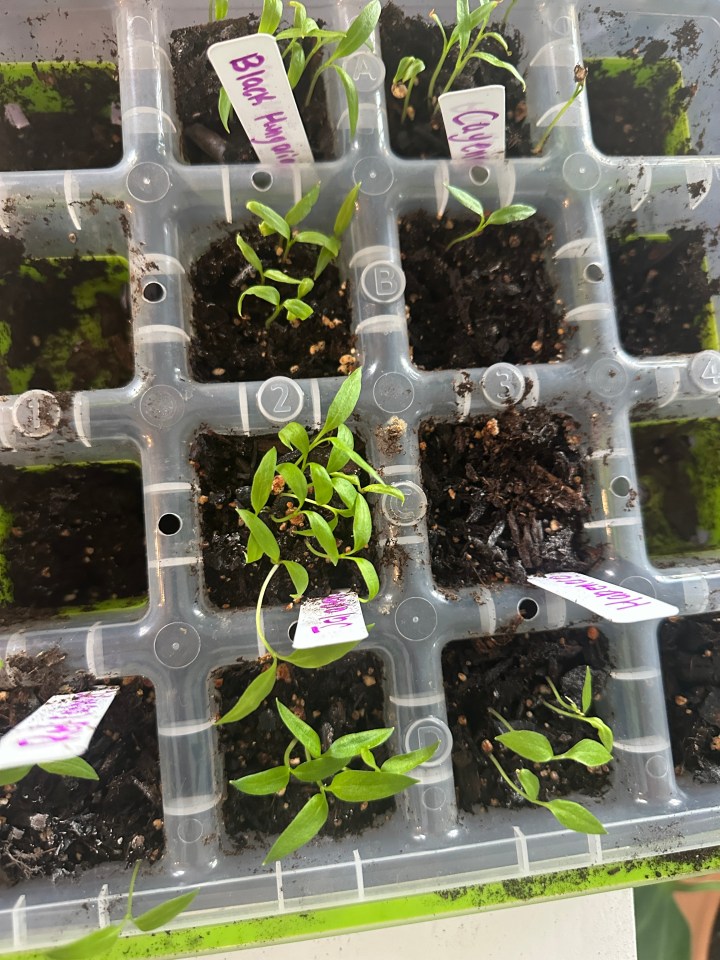
Even if you’re working with one, two or even three raised beds or just a few containers, crop rotation makes a real difference.
Swap for different plant families
Before you start swapping crops, you need to understand plant families. This is how you group your veggies for rotation purposes, because plants in the same family tend to have similar needs and drain out the same nutrients. And attract the same pests.
When you keep planting the same thing or the same FAMILY of plants you are depleting the nutrients in that spot over and over. Eventually that will lead to the soil refusing to produce much unless it has time to replenish. So to avoid that you can just rotate in and out different plant families.
Let’s go over the most commonly planted/grown plant families-
| Family | Examples |
|---|
| Nightshades (Solanaceae) | Tomatoes, peppers, eggplants, potatoes |
| Brassicas (Brassicaceae) | Broccoli, cabbage, kale, cauliflower, radish |
| Alliums (Amaryllidaceae) | Onions, garlic, leeks, shallots |
| Legumes (Fabaceae) | Beans, peas, lentils |
| Cucurbits (Cucurbitaceae) | Cucumbers, squash, pumpkins, melons |
| Umbellifers (Apiaceae) | Carrots, parsley, celery, dill |
| Aster family (Asteraceae) | Lettuce, sunflowers, artichokes |
| Spinach family (Amaranthaceae) | Beets, chard, spinach, quinoa |
| Grains/Grass family (Poaceae) | Corn, wheat, barley |
Again the key here is to rotate different families. If you plant lettuce and then sunflowers in the same spot you aren’t rotating the nutrient needs even though they are totally different plants. Instead replace the area with lettuce with honeydew melons or cherry tomatoes or anything else that isn’t in the Aster family.
And you don’t need to memorize them all- the internet exists 😉
When you are determining your garden plan (we will talk more about that in a second) you can just google the plant families of what you have and HAD planted. No need to overcomplicate things in my opinion!!
Crop rotation ideas:
Ideas for 1 year crop rotations:
A one year crop rotation is only relevant if you live somewhere with a long enough growing season for it but that is many of us so I still want to share! I now grow in North Carolina and am able to do multiple rounds of planting and harvesting different plants but that was limited before in Ohio so learn your zone and possibilities.
| Spring Crop | Fall Crop (Different Family) |
|---|---|
| Lettuce (Asteraceae) | Garlic (Allium) |
| Peas (Legume) | Carrots (Umbellifer) |
| Radishes (Brassica) | Spinach (Amaranthaceae) |
| Potatoes (Nightshade) | Turnips (Brassica) |
| Onions (Allium) | Kale (Brassica) |
| Beets (Amaranthaceae) | Fava Beans (Legume) |
Ideas for 4 year crop rotations:
So this is the most common and practical rotation for home gardens with 3–4 beds or a sectioned layout. And for a good reason is this popular, it’s the rotation that really does thrive the best! It’s based on plant family groups and nutrient needs so let’s talk about a one bed example-
Year 1: Heavy Feeders (Fruiting/Leafy Crops)
- Tomatoes, peppers, broccoli, kale, corn, cabbage
Year 2: Root Crops (Moderate Feeders)
- Carrots, onions, beets, garlic
Year 3: Legumes (Soil Builders)
- Beans, peas, lentils (fix nitrogen)
Year 4: Cover Crops or Light Feeders
- Clover, buckwheat, spinach, herbs, lettuce
Rotate each group one bed forward each year. So, tomatoes go where beans were last year, and so on!
Ideas 6 year crop rotations:
This version is great for serious gardeners, larger spaces, or anyone wanting to go all in with long-term soil health.
Year 1: Nightshades (Solanaceae): Tomatoes, peppers, potatoes, eggplant
Year 2: Brassicas (Brassicaceae): Cabbage, broccoli, kale, cauliflower
Year 3: Legumes (Fabaceae): Beans, peas, chickpeas
Year 4: Roots/Alliums: Carrots, onions, beets, garlic, leeks
Year 5: Cucurbits (Cucurbitaceae): Cucumbers, squash, melons, pumpkins
Year 6: Cover Crops/Leafy Greens: Lettuce, spinach, mustard greens, herbs, or cover crops (like rye or clover)
This longer rotation helps reduce the risk of soil-borne diseases that linger for years and balances out soil nutrients over a longer period.
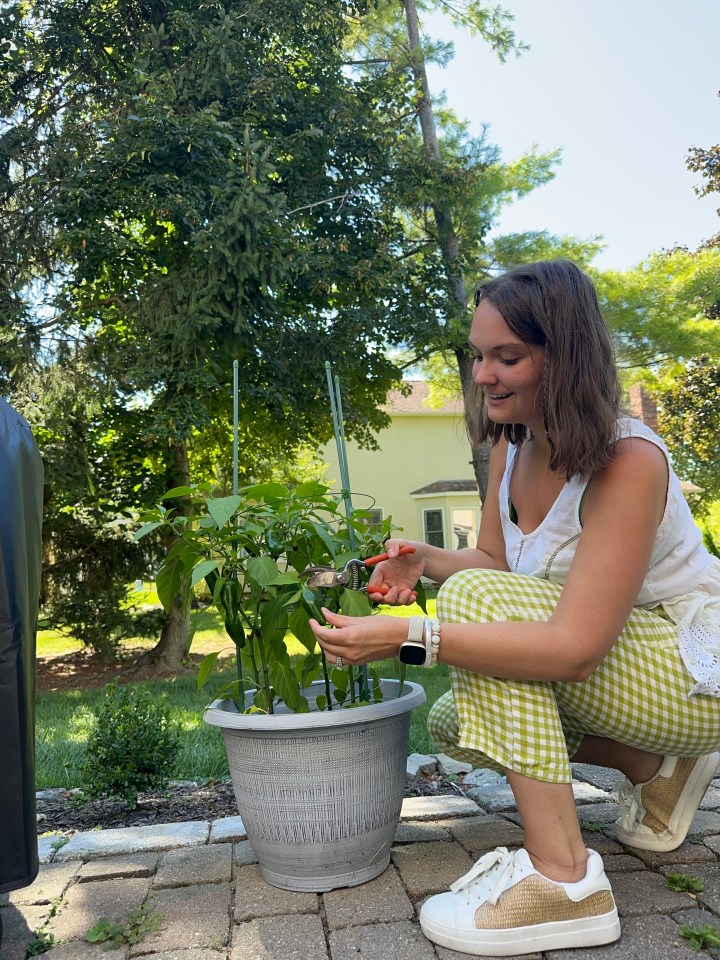
Tips for a truly small garden:
Here’s how to rotate crops in small spaces!! Remember- no garden is too small 🙂
Tip 1: Split your bed into sections. Even if you only have one raised bed, divide it into 2–4 parts and rotate crops within each section.
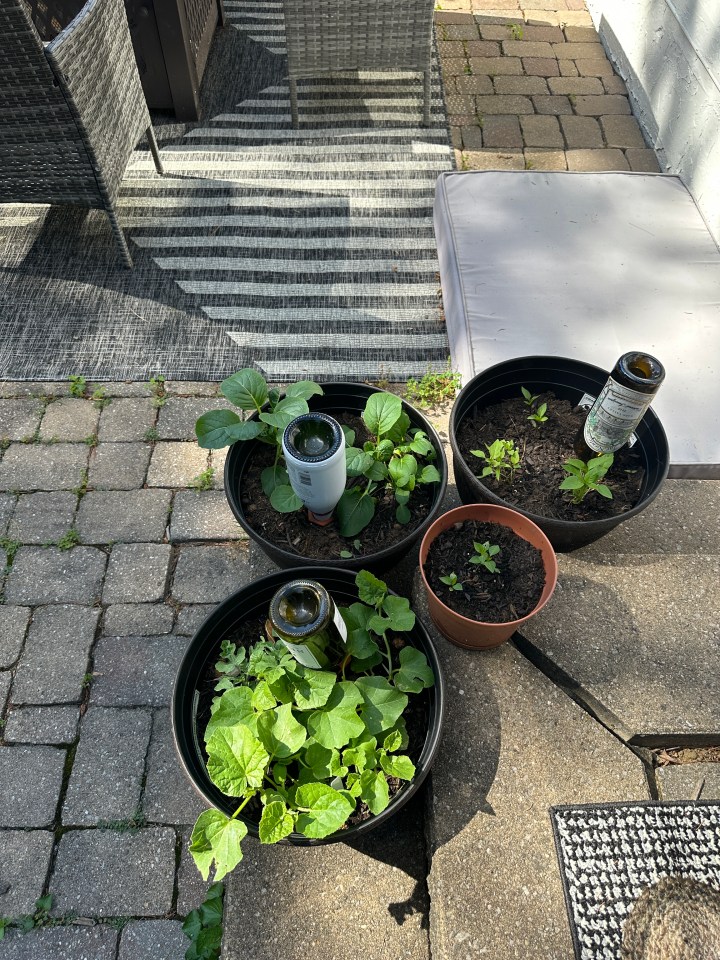
Tip 2: Use containers. Move crops to different pots or change the soil if you’re planting in the same container again.
Tip 3: Use vertical space. Grow vining plants like beans or cucumbers up trellises to make room for rotation below.
Tip 4: Amend soil well. If you can’t rotate much, at least change your soil’s nutrient profile by adding compost, worm castings, and specific amendments between seasons.
Rotation in small spaces is more like jazz than a symphony—improvise and flow with what you have!
How to plan your garden rotations:
You don’t need a degree in botany (mine is in hospitality management lol!) to plan rotations. Just follow this simple method:
Make a garden map– Sketch your beds or containers and label what you planted this year.
Draw a rough sketch of your garden layout (beds, containers, rows—whatever you’ve got). Label each section and note where you planted everything this season. This becomes your master plan for rotations in the future!!
Bonus tip: Keep a copy in your garden journal or snap a photo for your phone.
Group by plant family– Mark which areas had nightshades, brassicas, legumes, etc.
Write it down– Keep a record so you don’t forget next season—trust me, your future self will thank you.
Move each family– Next year, shift each group to a new space. If you can’t move it, at least skip planting the same family in the same spot.
Tip: Keep your favorite crops (like tomatoes) on a 3-4 year rotation schedule to reduce disease risk.
Don’t confuse companion planting and crop rotation:
These two often get lumped together, but they’re different! While crop rotation is all about time, companion planting is about space.
First up is our star of todays article- Crop rotation = changing the location of a crop each year!
And then there is the also great- Companion planting = putting beneficial plants together (like basil and tomatoes)
Use both together for supercharged soil health and garden productivity.
The two phrases have some logistical overlap which means they often get combined especially by new gardeners. But they are two different and helpful gardening processes that you should do but make sure not to confuse or combine the two.
Replenishing soil between rotations:
Even with crop rotation, your soil needs some extra TLC. Here’s how to nourish it between plantings:
- Compost: Add a generous layer before replanting.
- Mulch: Helps suppress weeds and retain moisture.
- Cover crops: In fall/winter, plant rye, clover, or vetch to prevent erosion and improve soil health.
- Worm castings: A magic sprinkle of microbe-rich goodness.
- Organic fertilizers: Choose slow-release blends based on your next crop’s needs.
And that is all for now my friends! So let’s summarize- even in a small garden, rotating crops is one of the easiest ways to protect your plants, produce way more food and make your soil feel loved!! It’s like pressing the reset button every year by giving pests, diseases, and nutrient depletion the boot.
Whether you’re growing tomatoes on a balcony or beets in your backyard beds, a little planning goes a long way. Keep it simple, stay consistent, and trust that your garden is smarter (and sneakier) than it looks.
So next time you’re daydreaming about your spring planting list, remember to give those veggies a new home and watch your garden flourish 🙂
Found this helpful? Let’s stay connected!!
Talk Plant To Me
If you enjoyed this article on Rotating crops as a small gardener- what you need to know then you probably (hopefully!) will enjoy and find these articles helpful as well:
 | Talk Plant To Me |