Hey there, plant lovers! We know you’ve been busy sprucing up your indoor jungle and tending to your leafy friends. But what happens when you find that perfect pot for your new plant, only to realize it doesn’t have a drainage hole? Don’t worry, we’ve got you covered! Today we will chat about which plants don’t need a drainage hole in their pot.
In this exciting article, we’re diving into the world of plants that don’t need a drainage hole and spilling the dirt on how to tell if your houseplant is gasping for a breath of fresh air. We’re taking a casual and fun approach because, hey, gardening should be enjoyable, right?
We’ll introduce you to a group of resilient green buddies that can thrive in pots sans drainage holes. These plants are like the superheroes of the plant world, tolerating a little extra moisture without throwing a temper tantrum. So, if you’ve fallen in love with that cute ceramic pot that stole your heart but lacks a drainage hole, fret not! We’ll show you how to make it work.
But wait, how can you tell if your houseplant is drowning in its own waterlogged misery? We’ll unveil the secret signs that indicate your beloved plant needs better drainage pronto. From yellowing leaves to funky odors and slimy surprises, we’ll help you become a detective of plant distress and save the day.
So, grab your potting mix, put on your detective hat (or maybe a funky sunhat if you’re feeling sassy), and get ready to rescue your houseplants from soggy situations. It’s time to have some fun while learning about these drainage-defying plants and mastering the art of recognizing when your leafy friends are shouting for help.
We’ll keep things light, informative, and sprinkle in some humor because, let’s face it, gardening should be a joyous adventure. Get ready for a wild ride as we explore the fascinating world of plants that defy the odds, all while mastering the art of drainage detection.
So, fellow green thumbs, let’s jump right in and uncover the secrets of plants that don’t need a drainage hole and learn how to save our drowning houseplants with a splash of knowledge and a touch of humor. It’s time to embrace the unexpected and become the heroes our plants deserve!
Are you ready? Let’s dig in!

Which Plants Don’t Need a Drainage Hole
House plants that don’t need a lot of drainage:
While proper drainage is essential for most houseplants, some varieties can tolerate or even thrive in pots without drainage holes. Here are a few examples of houseplants that can adapt to pots without drainage:
Snake Plant (Sansevieria):
Snake plants are known for their tolerance to various growing conditions. They have succulent leaves that store water, allowing them to withstand occasional overwatering. However, it’s still important to be cautious with watering to prevent root rot.

ZZ Plant (Zamioculcas zamiifolia):
ZZ plants are resilient and can tolerate periods of drought. They have rhizomes that store water, allowing them to handle some excess moisture. Again, it’s important not to overwater and ensure the soil dries out between waterings.
Chinese Evergreen (Aglaonema):
Chinese evergreens are adaptable and can survive in pots without drainage holes as long as the soil is well-draining. They prefer slightly moist soil but can tolerate occasional drying out.
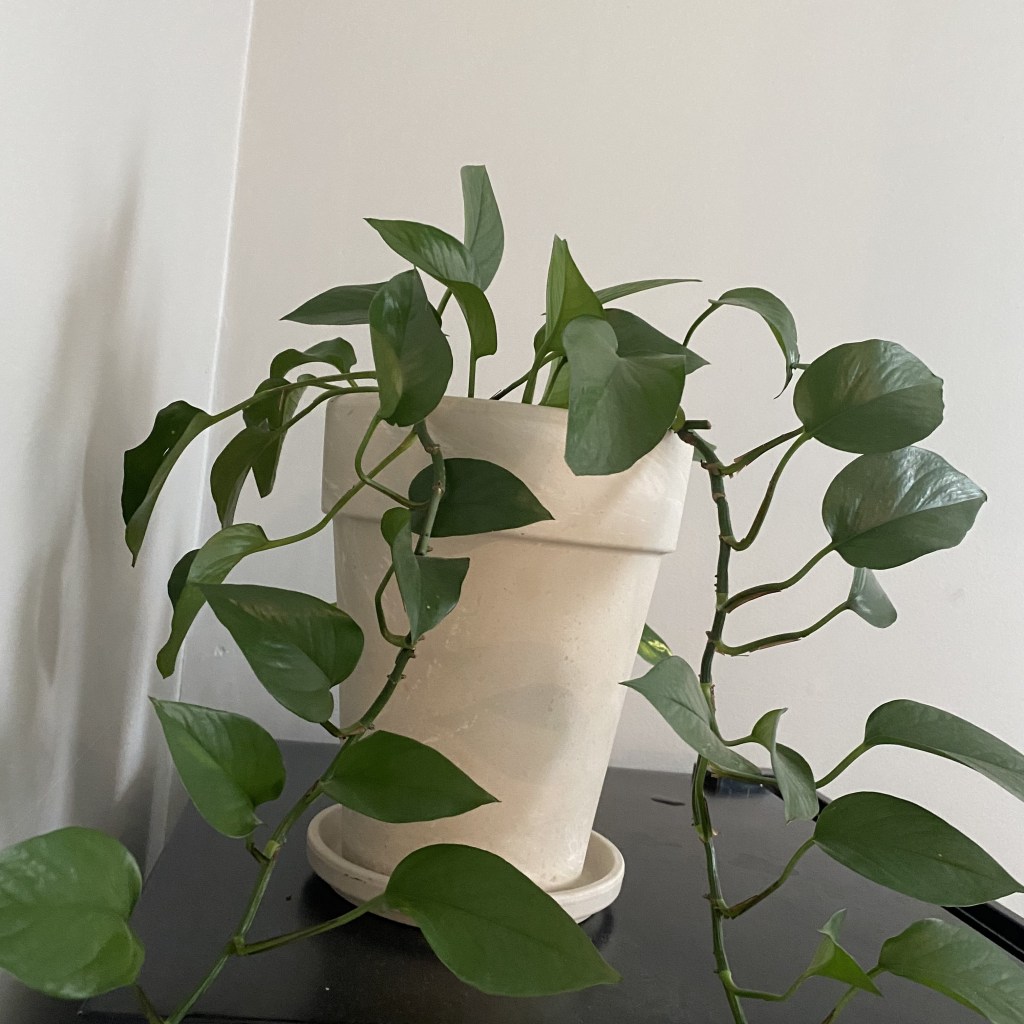
Pothos (Epipremnum aureum):
Pothos is a popular and hardy houseplant that can adapt to various conditions. It can tolerate pots without drainage holes, but careful watering is crucial to avoid waterlogged soil.
Ponytail Palm (Beaucarnea recurvata):
Ponytail palms have a bulbous trunk that stores water, allowing them to withstand periods of drought. They can tolerate pots without drainage, but it’s essential to be mindful of watering and ensure the soil dries out before watering again.
It’s important to note that while these plants can adapt to pots without drainage holes, it’s still recommended to provide adequate drainage whenever possible. If using pots without drainage, take extra care to monitor the soil moisture levels and avoid overwatering. Additionally, using well-draining soil mixtures and being cautious with watering frequency can help mitigate potential issues.
How to tell if your plant needs more drainage:
There are a few signs that can indicate if your houseplant is experiencing poor drainage and may require better drainage conditions:
- Yellowing or Wilting Leaves: If your plant’s leaves start turning yellow or appear wilted, it could be a sign of overwatering and poor drainage. When the roots sit in excessively moist soil for an extended period, they can suffocate, leading to root rot and leaf discoloration.
- Foul Odor: If you notice a foul smell coming from the soil or the pot, it could be a sign of excess moisture and inadequate drainage. The stagnant water in the pot can create a breeding ground for harmful bacteria, causing the unpleasant odor.
- Mold or Fungus Growth: Excess moisture due to poor drainage can lead to the growth of mold, fungus, or algae on the soil surface or even on the plant itself. These growths indicate a damp environment that can be detrimental to the plant’s health.
- Soil Always Feels Wet: If the soil consistently feels wet, even several days after watering, it suggests that the water is not draining properly. Saturated soil deprives the roots of oxygen, leading to root suffocation and potential root rot.
- Slow Growth or Stagnation: When a plant lacks proper drainage, its growth can be stunted or slow. Insufficient drainage prevents the roots from receiving adequate oxygen and nutrients, hindering the plant’s overall development.
- Water Accumulation in the Pot: Excessive water pooling in the pot or a layer of standing water at the bottom after watering is a clear sign of poor drainage. The water should be able to flow freely through the soil and out of the pot.
If you observe any of these signs, it’s crucial to address the drainage issue promptly to prevent further damage to your plant. Here are some steps you can take to improve drainage:
- Choose a Pot with Drainage Holes: Opt for pots with drainage holes to ensure excess water can escape. If you have a decorative pot without drainage, consider using a plastic liner with drainage holes inside.
- Use Well-Draining Soil: Use a quality potting mix that provides adequate drainage. Avoid heavy soils that retain moisture for an extended period.
- Adjust Watering Practices: Be mindful of your watering habits. Allow the top inch or two of the soil to dry out before watering again. Ensure that excess water is draining freely from the pot during watering.
- Elevate the Pot: Place your potted plant on a saucer or pot feet to elevate it slightly, allowing better airflow and drainage.
- Add Drainage Material: Consider adding a layer of drainage material, such as small rocks or perlite, at the bottom of the pot. This helps create space for excess water to accumulate without saturating the roots.
By being attentive to the signs of poor drainage and taking appropriate measures, you can ensure a healthier environment for your houseplants and prevent issues related to excess moisture and root rot.
Talk Plant To Me
If you enjoyed this article on Which Plants Don’t Need a Drainage Hole then you probably (hopefully!) will enjoy these articles as well:
 | Talk Plant To Me |
One thought on “Which Plants Don’t Need a Drainage Hole”